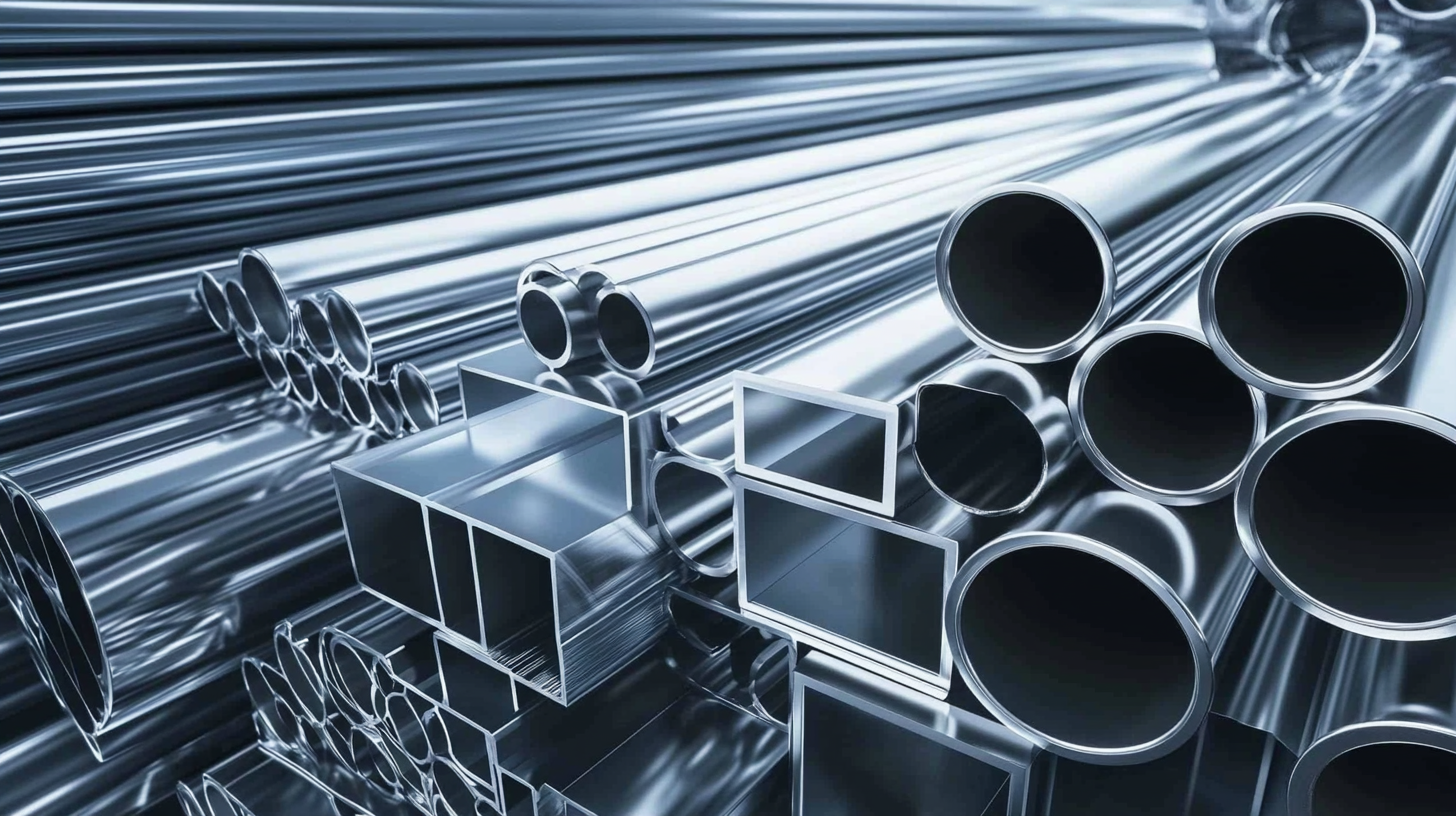
When you look at the global manufacturing scene, it’s pretty clear that the aluminum profile industry is really something special. It’s got this incredible knack for bouncing back, even with all the hassles from the US-China tariffs. Surprisingly, Chinese manufacturers have really figured things out and are thriving, showing off their amazing ability to innovate and grow strategically. Take Foshan City One AlU Aluminum Co., Ltd., for instance. They’re leading the pack with over 19 years of experience in the aluminum profile game. Their lineup is pretty impressive too, featuring all sorts of Aluminum Profile Types—think door and window profiles, kitchen cabinet profiles, roller shutters, and even curtain wall solutions. Plus, they’re sending their products to more than 50 countries around the globe. Their dedication to quality and flexibility means they not only ride out the economic ups and downs but also play a big role in building a strong manufacturing future despite these tariff troubles.
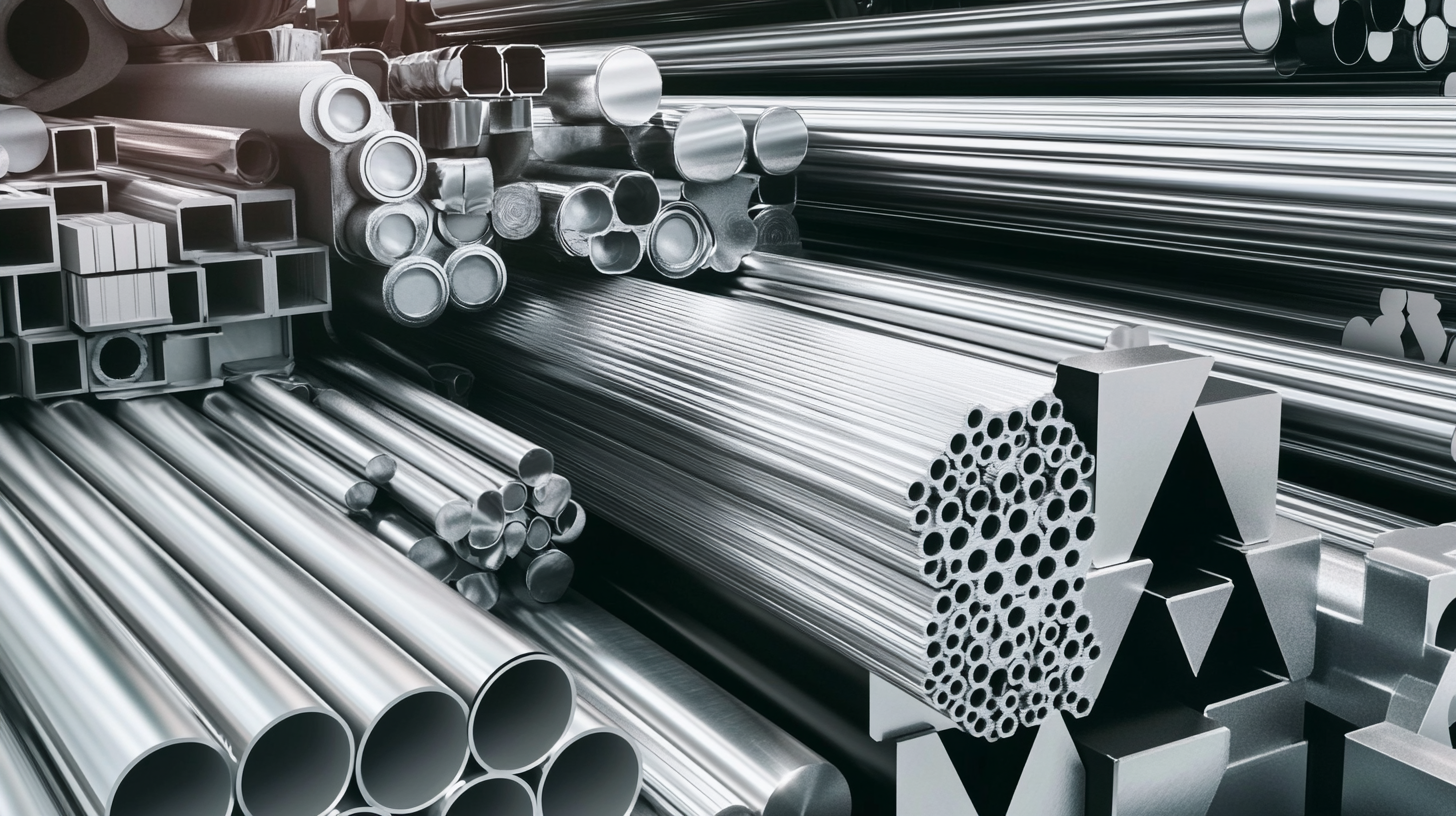
You know, the trade tensions between the U.S. and China are really shaking things up in the aluminum industry. Like, it’s pretty wild how the U.S. government has imposed tariffs on a bunch of Aluminum Products coming in from China. They’re saying it’s all about unfair trade practices and the market getting overcrowded. Sure, these tariffs are meant to protect American manufacturers, but they’ve also thrown a wrench in the works for companies that depend on Chinese aluminum for their production. So now, businesses are stuck with rising costs and problems in their supply chains, which is pushing them to look for other sources or to tweak how they're making things.
On the flip side, Chinese aluminum manufacturers aren’t just sitting around feeling sorry for themselves. They've shown some serious grit in the face of these challenges. By fine-tuning their operations and really leaning into innovation, they’ve managed to keep their edge in a pretty tough market. Plus, they've got this awesome range of aluminum profiles—think high-strength and lightweight options—that still has global buyers interested. Even with the tariffs hanging over their heads, their knack for quickly adapting and offering customized solutions means they’re still major players in the global aluminum scene.
You know, the ongoing tariffs that the U.S. has slapped on a bunch of Chinese goods have really shaken things up in the aluminum profile import and export scene. As the trade tensions ramp up, it seems like Chinese manufacturers are rethinking their game plans to deal with the tariffs. They’re checking out new markets and working on making their production processes more efficient to stay competitive. So, it’s not just about keeping up with quality anymore; they’re also diving into innovation, and that’s helping them adapt and do well even when times are tough.
On top of that, this whole situation has led to a bump in domestic consumption of aluminum profiles in China. With local demand on the rise, manufacturers are starting to put more emphasis on their own market while also looking to team up with companies outside the U.S. This two-pronged strategy not only helps them keep the revenue flowing but also sparks some cool technological advancements within the industry. In short, Chinese manufacturers are really showing their resilience, navigating through all the tariff-induced complexities and making sure they stay relevant in the global aluminum profile market, no matter how the trade winds shift.
You know, with the US ramping up those tariffs, Chinese manufacturers are really stepping up their game. They’re getting creative and finding smart ways to tackle these trade hurdles and keep their edge in the aluminum profile market. One of the cool strategies they’re using is diversifying their supply chains. Instead of relying on just one market, they’re grabbing raw materials and components from all over the globe. This not only helps them dodge some financial hits from those tariffs but also keeps their production lines running smoothly. Plus, by forging strong relationships with international partners, they’re able to tap into new markets and up their game even further, which is super handy if the economy takes a turn for the worse.
Another big deal for these manufacturers is putting a strong emphasis on research and development, along with investing in cutting-edge tech. They’re really focusing on innovating their product designs and refining their manufacturing processes. This means they can better meet the needs of their diverse customers and come out with products that can seriously compete. On top of that, streamlining their production methods and bringing in automation can save them a ton of money. This way, they can absorb some of those tariff costs without messing up their pricing. In the end, with all these forward-thinking strategies, these Chinese manufacturers are managing to navigate those trade challenges like pros and keep their spot as major players in the global aluminum scene.
So, you know how tough things have been for China's aluminum manufacturing lately, right? Those tariffs from the U.S. really hit hard. But here’s the thing—this industry has really shown some grit. They're not just sitting back and taking it; they’re actually rolling with the punches by getting super innovative and hopping on board with some advanced tech. By weaving in new methods and materials into how they work, these manufacturers are boosting their efficiency and cranking up the quality of their products.
One area they’re focusing on is automation and smart tech. It’s pretty cool—these systems help make everything run smoother and cut costs too. With automation, they can keep a tight rein on the production environment, which means less waste and better use of resources. And get this: artificial intelligence is becoming a big player too, helping them predict what people want and tweak their supply chains as needed. This really helps China hold its own in the global market.
Plus, it’s great to see that Chinese companies are pouring more money into research and development to whip up greener aluminum profiles. They’re diving into new alloys and eco-friendly ways of making stuff, all in response to the growing call for greener practices—both at home and around the world. This push for innovation and tech adoption not only helps cushion the blow from those tariffs but also puts China at the forefront of aluminum production in an industry that’s changing fast.
You know, even with all the ongoing tariff drama between the US and China, a bunch of Chinese companies in the aluminum profile manufacturing game have really held their ground. I recently came across a report from the International Aluminum Institute that said China was responsible for over 55% of the world’s aluminum production last year. That’s quite the statement about their dominance and ability to adapt! Companies like Tongling Jingda Aluminum Industry and China Zhongwang haven't just kept their doors open; they've been branching out by diversifying what they offer and pumping money into advanced manufacturing tech.
What’s really interesting is how innovation plays a huge role in their success. Take Tongling Jingda, for example—they’ve seen a 15% boost in production capacity over the past year, all thanks to focusing on high-grade aluminum profiles that meet the needs of the automotive and construction sectors. Plus, according to the China Nonferrous Metals Industry Association, aluminum profile exports even jumped by 10% in 2023, in spite of those pesky tariffs. These trends really show how these resilient Chinese firms are making strategic moves to not just survive but thrive, keeping them competitive on the global stage.
You know, with all the ups and downs from US-China tariffs, it’s pretty interesting to see how China is reshaping its aluminum manufacturing scene to stay ahead in the global game. The way aluminum profiles are changing shows just how well the industry is keeping up with what both local and international markets are craving. It’s all about those innovative manufacturing techniques and top-notch technologies that really boost efficiency and elevate quality. Take a look at the new extrusion methods and alloy mixtures popping up—they’re making lighter and stronger profiles that are becoming essential for industries like aviation and cars.
When we gaze into the future, it looks like China's aluminum manufacturing is on the brink of more exciting changes. Companies are really zeroing in on sustainability these days, embracing recycling and eco-friendly practices to cut down on their carbon footprints. This isn’t just great for Mother Earth; it’s also totally in line with global trends that are pushing for greener production. Plus, with the Chinese government backing high-tech industries, we can expect smart manufacturing solutions to shake things up big time, opening doors for fresh opportunities and innovations in the aluminum profile game.
| Profile Type | Applications | Strength (MPA) | Weight (kg/m) | Market Share (%) |
|---|---|---|---|---|
| Square Profiles | Construction, Furniture | 140 | 2.5 | 35 |
| Rectangular Profiles | Transportation, Frames | 160 | 3.0 | 30 |
| Round Profiles | Automotive, Piping | 120 | 1.8 | 20 |
| Angled Profiles | Support Structures, Brackets | 150 | 2.2 | 10 |
| Custom Profiles | Diverse Applications | Varies | Varies | 5 |
: The main challenges include the imposition of tariffs on aluminum products imported from China, which leads to increased costs and supply chain disruptions for businesses that rely on Chinese aluminum.
The tariffs aim to protect domestic manufacturers but create hurdles for companies dependent on Chinese aluminum, forcing them to seek alternative sources or adapt their manufacturing processes.
Chinese aluminum manufacturers have optimized their operations, focused on innovation, and maintained competitiveness by providing a diverse portfolio of profiles and customized solutions.
High-strength and lightweight aluminum profiles, essential for sectors like aerospace and automotive, are gaining popularity as manufacturers adapt to market demands.
The future trends include the incorporation of innovative manufacturing techniques, advanced technologies, sustainability practices, and the integration of smart manufacturing solutions.
Companies are increasingly focusing on sustainability by incorporating recycling processes and eco-friendly practices to reduce their carbon footprint, aligning with global trends for sustainable production.
Innovation, through advanced manufacturing techniques and new alloy formulations, plays a crucial role in enhancing efficiency and quality in the production of aluminum profiles.
Tariffs create barriers for companies that rely on importing aluminum, leading to increased costs and the need for businesses to adjust their sourcing strategies, thereby affecting the global supply chain dynamics.
The Chinese government continues to support high-tech industries, which encourages the adoption of smart manufacturing solutions and fosters innovation within the aluminum sector.
Opportunities for innovation include the development of new extrusion methods and the production of customized aluminum profiles that meet specific market needs.