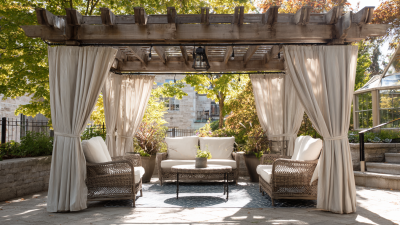
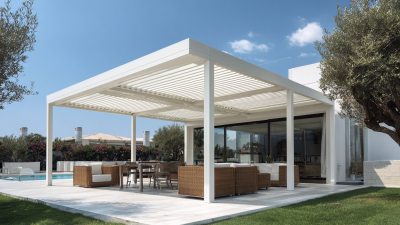
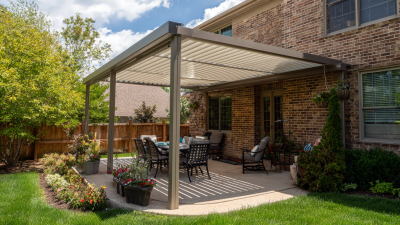
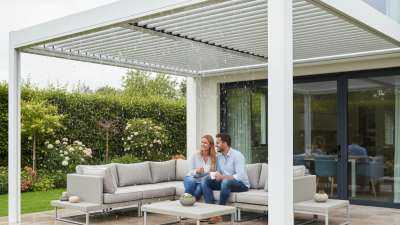
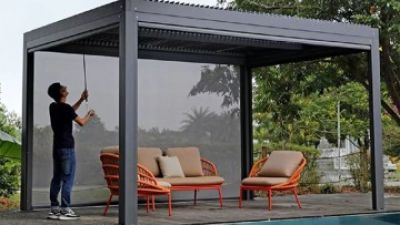
So, if you're thinking about choosing a Wind-Resistant Pergola for your backyard or outdoor space, there are a few things to keep in mind. Especially if you're in a spot that gets windy—say, near the coast or in an open area—making sure your outdoor setup can handle those gusts is super important. I came across a report from the American Society of Landscape Architects that said about 60% of homeowners end up dealing with damage from crazy weather sometimes. That’s a lot! So, investing in a pergola that can survive strong winds isn’t just nice—it’s essential.
I chatted with architect John H. Matthews from Matthews Design Group, and he mentioned, “The right materials and design can turn a vulnerable outdoor space into a pretty resilient retreat.” I love that idea; it’s about doing things smart from the get-go. When it comes to Wind-Resistant Pergolas, it's really crucial to focus on sturdy frameworks and making sure everything’s wind-rated. These details have a big impact on how long your pergola lasts and how well it performs.
Building a pergola that can stand up to the weather isn’t just about making it look good; it’s about engineering something that can hold up through nature’s toughest moments. If you’re a homeowner, it’s worth thinking about where you’re putting it, what materials you’re using, and how it’s installed. Keep these tips in mind, and you’ll end up with a solid, comfy outdoor space that you can enjoy without constantly worrying about the weather.
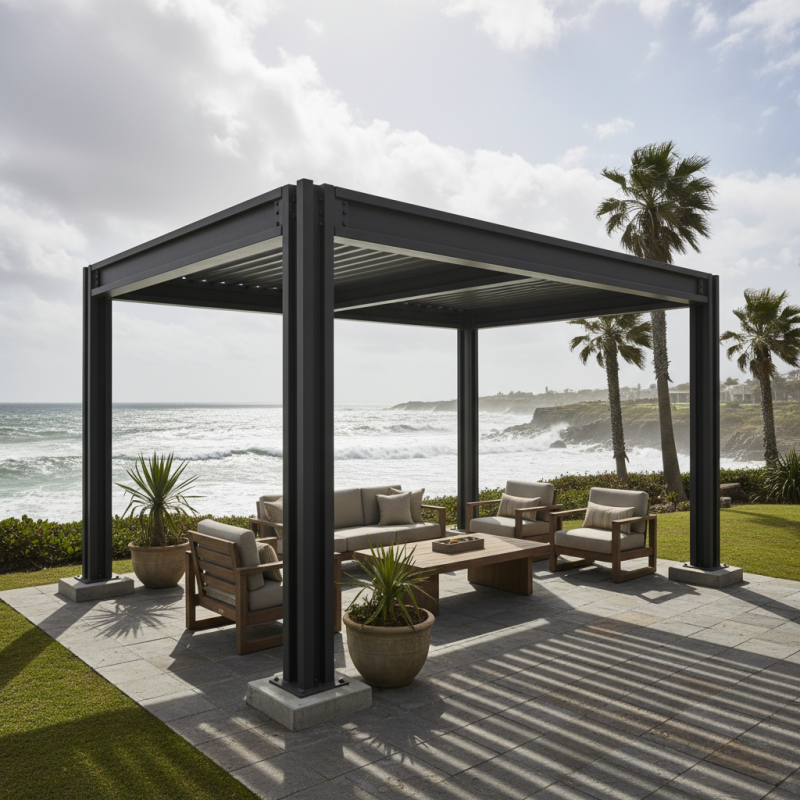
When considering a pergola, it's essential to understand wind resistance. Many outdoor structures fail during storms due to inadequate design. Reports indicate that wind loads can exceed 30 pounds per square foot in certain regions. Choosing the right materials is critical. Aluminum, for instance, offers a lightweight yet durable option. It withstands strong gusts better than wood or vinyl.
The construction method also plays a vital role. A well-anchored pergola can endure harsh conditions. According to industry standards, anchoring systems should penetrate at least 36 inches into the ground. This depth is crucial for stability. It's worth noting that even small gaps can lead to significant damage over time. Regular inspections and maintenance are often overlooked but necessary for longevity.
Customization can enhance resilience. Opt for features like windbreaks or adjustable canopies. These additions can help redirect airflow. A structural engineer can provide personalized insights tailored to different locations. Ignoring local weather patterns can be a costly mistake. Understanding your space means a safer and more enjoyable outdoor experience.
| Pergola Material | Wind Resistance (mph) | Recommended Design Features | Ideal Installation Location |
|---|---|---|---|
| Aluminum | 90 | Aerodynamic shapes, reinforced structures | Open spaces with minimal obstructions |
| Wood | 60 | Cross-bracing, lower height designs | Sheltered areas near buildings |
| Vinyl | 70 | Strong connectors, wind-resistant roofing | Partially shaded locations |
| Steel | 100 | Heavy-duty fasteners, stability enhancements | Open fields, coastal areas |
When selecting a wind-resistant pergola, it’s crucial to understand the types available. Many options are designed specifically to withstand strong winds. These structures often feature reinforced materials that ensure durability and stability. Some common types include metal and vinyl pergolas. These materials offer excellent resistance to harsh weather conditions.
Corrosion-Resistant Pergolas provide another level of protection. Built with protective finishes, they resist rust and decay. This feature enhances longevity, particularly in coastal areas where saltwater can cause damage. Additionally, consider the design. A low-profile shape can help reduce wind resistance effectively.
While many options may seem adequate, it’s essential to evaluate quality. Not all materials are created equal, and some may falter under pressure. Research and consult with professionals in outdoor construction before making a choice. Look for customer reviews on various types. It helps in understanding real-world performance. Choose wisely to ensure your outdoor space remains enjoyable for years to come.
Choosing the right materials for your wind-resistant pergola is crucial for outdoor durability. Research shows that the most sustainable pergolas are made from either aluminum or high-quality wood composites. According to industry reports, aluminum can withstand wind speeds of up to 120 mph. This makes it a reliable choice for areas prone to strong winds.
When selecting materials, consider the climate in your area. For instance, if your region experiences heavy rainfall, opt for moisture-resistant materials. A survey conducted by the Outdoor Living Association reveals that Uv-Resistant Outdoor Shade fabrics can significantly extend the life of your pergola. These fabrics not only resist fading but also provide excellent protection against harsh sunlight.
Tip: Always inspect the materials before purchase. Look for certifications that attest to durability and resistance. Brands rarely disclose all their material sources, making independent reviews essential.
Sometimes, even the best materials fail under unforeseen circumstances. This can happen if they aren’t installed properly or if they’re not maintained regularly. Therefore, heed expert guidance when building your pergola. It can save you headaches and costs in the long run. Selecting the right materials is just one aspect of creating a safe and lasting outdoor space.
When selecting a wind-resistant pergola, consider specific design features. A sturdy frame is essential. An Aluminum Pergola provides excellent durability against harsh weather conditions. Lightweight materials can sway in strong winds, leading to potential damage. Heavier frames, however, offer stability and strength.
Windbreaks are also worth considering. Incorporating lattice or screens can shield your outdoor space from gusty winds. These features not only enhance privacy but also add aesthetic appeal. Another important aspect is the roof design. A sloped roof allows wind to flow over, reducing pressure on the structure.
Ventilation plays a significant role too. Ensuring adequate airflow can prevent build-up under the pergola. This can reduce the likelihood of damage during severe storms. Overall, combining these elements creates a more resilient structure. Each decision impacts how well your pergola will withstand the elements. Keep these considerations in mind for a functional outdoor space.
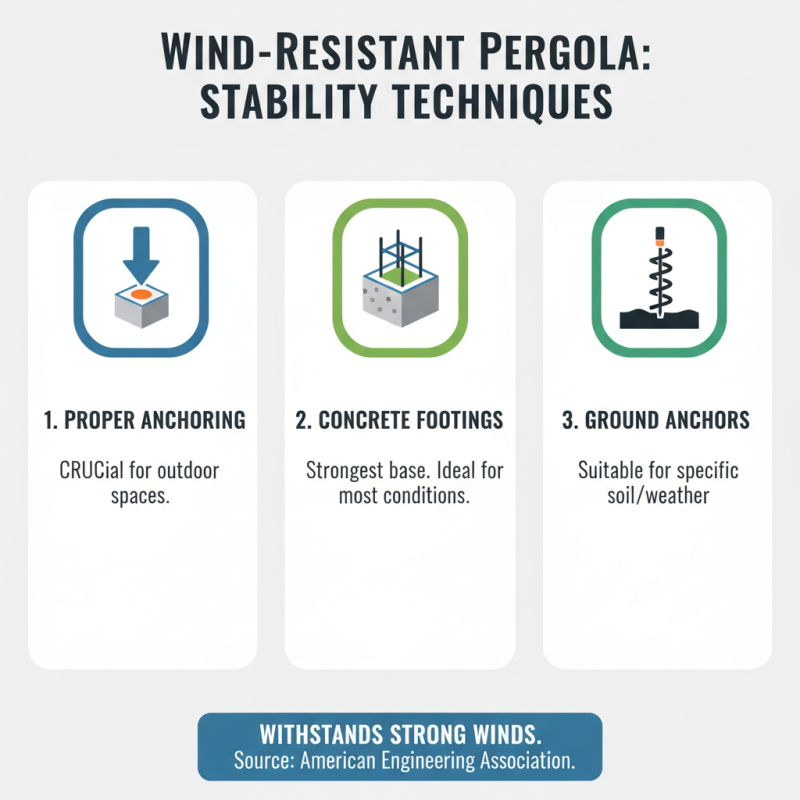
When selecting a wind-resistant pergola, installation techniques play a crucial role in ensuring stability. A well-anchored pergola can withstand strong winds, which is essential for outdoor spaces. According to a report by the American Engineering Association, structures need proper anchoring to resist wind forces effectively. This means using concrete footings or ground anchors tailored to local weather conditions.
Moreover, the orientation of your pergola can impact its performance. Positioning it against prevailing winds reduces strain. Studies indicate that pergolas with slanted roofs are more aerodynamic and reduce wind pressure. Additionally, using materials like aluminum or heavy-duty timber enhances strength and longevity.
While these strategies improve stability, they require careful planning. Many people overlook site assessment before installation. Conducting a wind-load analysis can inform design choices. Such evaluations are vital yet often neglected. An interesting detail is that even the best installation techniques can falter without regular maintenance checks. Wind can cause wear over time, making it essential to inspect joints and anchors frequently.
When choosing a wind-resistant pergola for your outdoor space, maintenance is key. Regular upkeep can enhance durability and ensure longevity, especially against harsh weather. According to a report by the American Society of Landscape Architects, around 30% of outdoor structures fail due to inadequate maintenance. It’s crucial to inspect your pergola frequently, checking for signs of wear or damage.
One tip is to keep the structure clean. A simple wash with mild soap and water can remove debris and prevent mold. Mold can weaken materials over time, which is a costly oversight. The same study revealed that regular cleaning can extend the life of outdoor structures by up to 50%.
Another aspect to consider is the material. A Bioclimatic Pergola can be especially resilient against wind. Wooden pergolas require sealing to protect against moisture. Metal structures should be insulated to avoid rust, which can compromise stability. Always use high-quality products for repairs. This is essential for retaining structural integrity. Remember, a well-maintained pergola not only looks great but also stands strong against nature’s forces.
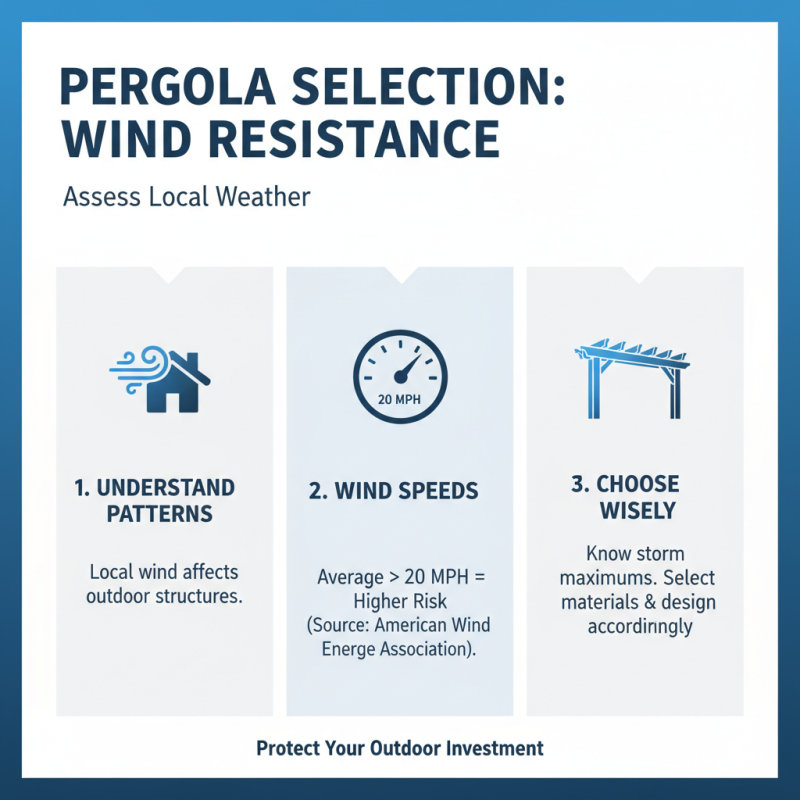
Choosing a wind-resistant pergola starts with understanding your local weather patterns. Wind can significantly affect outdoor structures. According to a report from the American Wind Energy Association, areas with average wind speeds exceeding 20 miles per hour are at higher risk for damage. It’s crucial to assess the maximum wind speeds your area experiences during storms. This knowledge helps determine the right materials and design for your pergola.
In regions prone to high winds, opt for sturdier materials. Aluminum and steel are often better choices than wood. A study published in the Journal of Architectural Engineering notes that structures designed with wind resistance in mind can withstand gusts of up to 90 miles per hour. However, installation quality matters. Even the best materials can fail if not installed correctly.
Be mindful of the pergola’s shape and orientation as well. Angled roofs deflect wind better than flat ones. Moreover, pergolas with a height of over eight feet require additional bracing. Sometimes, local regulations mandate these features. Consulting with local builders or engineers can provide valuable insights tailored to your specific environment. This approach ensures both safety and longevity.
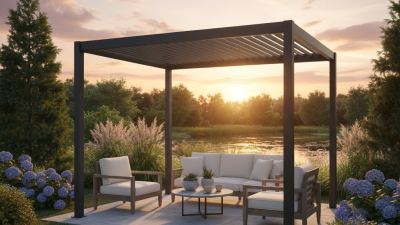
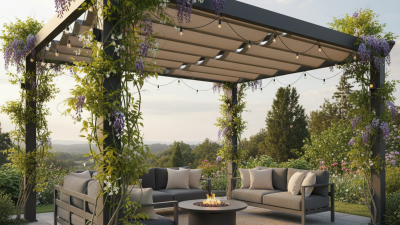
Bioclimatic Aluminum Pergolas with waterproof louver roofs are transforming outdoor living spaces, offering both comfort and style. Constructed from durable aluminum, these pergolas are designed to withstand harsh weather conditions while maintaining their sleek aesthetic. The standout feature is the innovative waterproof louvered roof, which can be manually adjusted to optimize light and shade according to the changing weather. On bright sunny days, simply tilt the louvers to let in a soft, pleasant glow or close them to enjoy a cool retreat from the heat.
This incredible versatility not only enhances your outdoor experience but also gives you control over your environment. Whether you're enjoying a leisurely afternoon or hosting a gathering, the pergola creates an inviting atmosphere that adapts to your needs. Its stylish design adds elegance to any patio or garden, making it a focal point of your outdoor area. With a bioclimatic aluminum pergola, you can redefine your enjoyment of the outdoors while benefiting from effective protection against the elements.
: Wind resistance prevents structural failure during storms. Inadequate design risks damage and safety concerns.
Lightweight options like aluminum withstand wind better. Heavier materials can offer added stability.
Anchoring should penetrate at least 36 inches into the ground. This depth ensures stability against strong gusts.
Regular inspections prevent long-term damage. About 30% of outdoor structures fail due to lack of upkeep.
Washing with mild soap and water removes debris. This prevents mold that can weaken materials over time.
Sturdy frames, sloped roofs, and windbreaks improve resilience. Each feature impacts how well the structure withstands wind.
Adequate airflow prevents damage during storms. It reduces moisture build-up, ensuring longevity.
Customized features like adjustable canopies redirect airflow. This can significantly enhance structural resilience.
Ignoring local weather patterns can lead to costly errors. Design should consider specific environmental conditions.
Neglect can cause unseen damage, leading to costly repairs. Keeping up with maintenance prolongs the life of the structure.
When selecting a Wind-Resistant Pergola for your outdoor space, it's essential to understand the various factors that contribute to its durability and stability. Begin by exploring the types of wind-resistant pergolas available, considering materials specifically designed to withstand harsh conditions. The right choice of materials will not only enhance the pergola's resistance to wind but also contribute to its overall longevity.
Additionally, incorporating specific design features can improve wind resistance, such as a lower profile or strategic placement to mitigate wind pressure. Proper installation techniques are crucial to ensure stability, while regular maintenance will keep your pergola performing well over time. Lastly, assessing local weather conditions is vital before making a selection, ensuring that your Wind-Resistant Pergola meets the unique challenges posed by your environment.