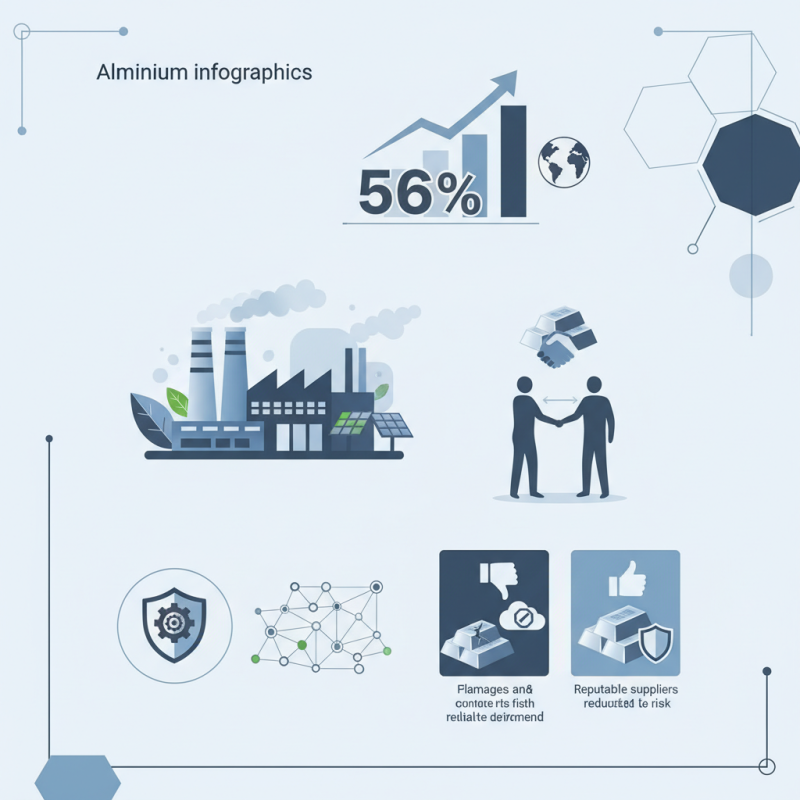
Hey, did you know that the global aluminium scene is really taking off right now? China’s pretty much leading the charge, dominating the market. Back in 2022, according to the International Aluminium Institute, China produced over 56% of all the aluminium in the world. That’s a huge chunk! It just shows how important it is for global buyers to find trustworthy aluminium suppliers.
As more industries around the world start looking to aluminium because it’s lightweight and doesn’t easily corrode, the need for quality sources is more critical than ever. Big players like China Hongqiao Group and Rusal are top names in the game—they’re pushing for sustainable stuff and using the latest tech, which really boosts the reliability of what they produce.
That said, it’s not all smooth sailing. There are still issues with quality control and environmental impact. Some suppliers might cut corners or not meet international standards, which can be a real headache for buyers. As things keep changing in the industry, picking the right partner is super important. Going with reputable companies helps ensure you’re getting good quality aluminium and can help avoid supply chain headaches down the line.
Top Aluminium Production Regions in China and Their Global Impact
China stands at the forefront of global Aluminum production. Key regions such as Guangdong, Shandong, and Henan dominate the landscape. These areas contribute significantly to the nation's output, with Guangdong accounting for over 25% of China's total aluminum production. High-quality bauxite reserves fuel this growth, while advanced technology enhances efficiency.
The global impact of these regions is profound. China exports approximately 50% of its aluminum production. This not only meets international demand but also affects global pricing. In 2022, China's aluminum export value reached a staggering $29 billion. However, sustainability remains a concern, as the industry grapples with environmental regulations.
The reliance on coal for energy in aluminum smelting has drawn scrutiny. Transitioning to greener sources proves challenging. Moreover, trade tensions may introduce uncertainty in the market. Global buyers must navigate these complexities when sourcing aluminum from China. Fostering partnerships with local suppliers can mitigate risks and enhance collaboration.
Major Aluminium Suppliers in China: Key Players and Market Share
The aluminium marketin China is dominated by several key suppliers that have established a significant presence globally. Recent industry reports indicate that Chinese Aluminium Production increased by over10% in the past year. This growth is driven by rising demand in sectors like construction, automotive, and packaging. OEM Aluminium And Aluminium manufacturers are leveraging advancements in technology to increase efficiency and production capacity.
Among the prominent players, a few control a notable share of the market. These suppliers often account for more than 30% of the total aluminium exportation from China. While this dominance presents opportunities, it also raises concerns about sustainability and environmental impact. Reports suggest that many suppliers are still in the early stages of adopting eco-friendly practices. The push for greener operations reflects shifting global sentiments, yet challenges persist.
A more significant issue is the volatility in raw material prices impacting supply chains. For instance, fluctuations in bauxite pricescan directly affect the cost of aluminium production. This unpredictability can lead to inconsistent pricing for OEM Aluminium and Aluminium products. Buyers should remain cautious and seek suppliers who can offer bothquality and stability in their offerings. As the market evolves, adaptability will be crucial for both suppliers and buyers alike in navigating these complexities.
Quality Standards and Certifications for Aluminium Suppliers in China
When sourcing aluminium from China, understanding quality standards is critical. Suppliers often adhere to international certifications like ISO 9001. This ensures consistent quality management systems. Reports from the Aluminium Association indicate that around 70% of global aluminium production is certified under such standards. This certification fosters trust among international buyers.
In China, various industry-specific standards apply. For example, GB standards govern material specifications and testing methods. Not every supplier may meet these rigorous benchmarks. A lack of certification can raise red flags about quality and reliability. Buyers must perform due diligence to avoid potential hazards. Additionally, environmental compliance is increasingly important, with regulations tightening to promote sustainable practices.
Nonetheless, there are inconsistencies. Some suppliers may possess certifications without maintaining adequate quality. This calls for a thorough review of a supplier's track record. Third-party audits can provide insights into a supplier's operational integrity. Quality assurance is not just a checkbox; it demands ongoing commitment and scrutiny.
Top Aluminium Suppliers in China for Global Buyers
| Supplier Type | Average Annual Production (Metric Tons) | Main Products | Key Certifications | Export Markets |
| Primary Aluminium Producer | 500,000 | Aluminium Ingots, Billets | ISO 9001, ISO 14001 | North America, Europe, Asia |
| Aluminium Extrusion Manufacturer | 300,000 | Aluminium Profiles, Shapes | TS 16949, AS 9100 | Middle East, Australia |
| Aluminium Sheet Supplier | 200,000 | Aluminium Sheets, Foils | ISO 9001, OHSAS 18001 | Africa, South America |
| Aluminium Alloy Supplier | 150,000 | Aluminium Alloys, Castings | ISO 9001, ISO/TS 16949 | Asia, Europe |
Overview of Aluminium Pricing Trends in China's Market
Aluminium pricing trends in China have shown noticeable fluctuations recently. The market experienced significant shifts due to a combination of domestic demand and global economic factors. The interplay between rising raw material costs and supply chain disruptions has influenced pricing structures across various sectors. This inconsistency makes it vital for global buyers to remain vigilant.
In addition, China's aluminium production is deeply linked to energy prices. When energy costs rise, production can become more expensive. Such changes can lead to sudden increases in aluminium prices. Consequently, companies need to evaluate their sourcing strategies constantly. Understanding these trends in the China Aluminium And Aluminium market is essential for informed decision-making.
Moreover, the impact of environmental regulations cannot be overlooked. Stricter regulations can affect production capacity and, in turn, pricing. Buyers should monitor how these regulations evolve. This will help them anticipate market changes. Ultimately, while China holds a significant position in the global aluminium supply chain, navigating its market requires careful analysis and strategic planning.
Sustainability Practices of Aluminium Suppliers in China
The aluminium industry in China is increasingly focusing on sustainability. Many suppliers are adopting practices that reduce environmental impact. For instance, recycling aluminium has become a priority. Recycled aluminium requires less energy than primary production. This approach not only conserves resources but also lowers greenhouse gas emissions.
Some suppliers are exploring renewable energy sources. Solar and wind power are being integrated into production processes. These initiatives show a commitment to reducing carbon footprints. However, challenges remain in fully transitioning to sustainable methods. Not all companies have the resources or technology needed for efficient recycling.
Another aspect is the supply chain's transparency. It plays a crucial role in sustainability. Buyers are increasingly interested in knowing the origins of aluminium. Ensuring ethical sourcing is essential. Custom Aluminium And Aluminium products should meet high standards. This allows buyers to make informed choices. Yet, many suppliers still lack clear transparency. This gap can hinder the overall shift towards sustainability in the industry.
Sustainability Practices of Aluminium Suppliers in China
Emerging Technologies in China's Aluminium Industry
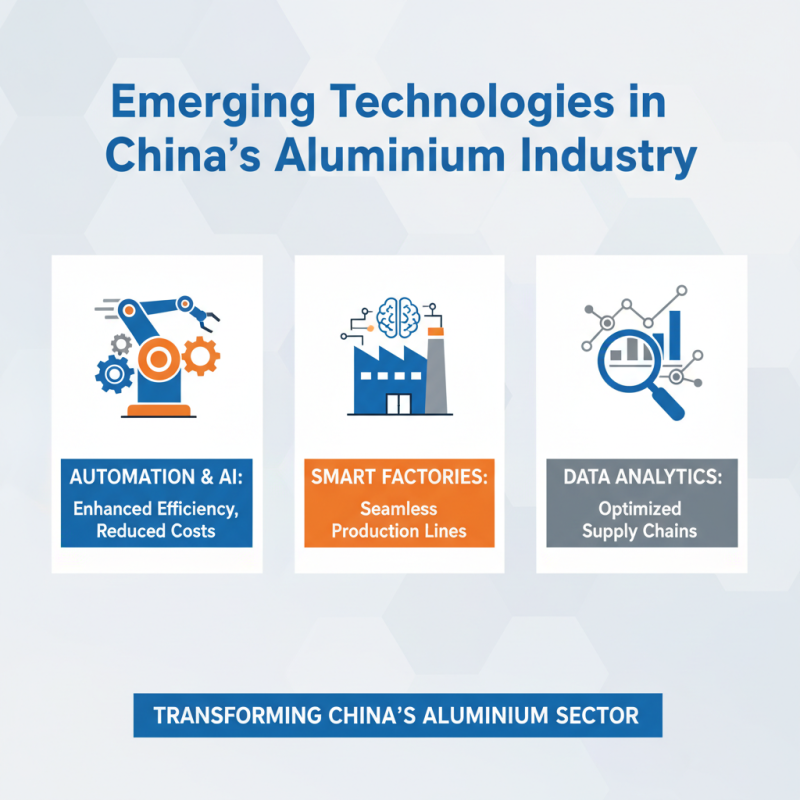
China's aluminium industry is undergoing significant transformation driven by emerging technologies. Innovations such as automation and artificial intelligence are prevalent. These technologies enhance efficiency and reduce production costs. Smart factories are popping up across the country, facilitating seamless production lines. Enhanced data analytics also play a crucial role in optimizing supply chains.
Moreover, the push for sustainability has ignited creativity in developing eco-friendly production methods. Companies are researching ways to recycle aluminium effectively. They aim to minimize waste and energy consumption. This highlights a growing awareness of environmental impact within the industry. Yet, challenges remain. Not all firms have access to these advanced technologies, causing a gap in competitiveness.
Collaboration between manufacturers and technology providers is becoming essential. Sharing knowledge can bridge these gaps. Nevertheless, some companies still hesitate to adopt new technologies. This reluctance can hinder potential growth. The future of China's aluminium industry lies in embracing these advancements while addressing existing challenges.
Challenges Faced by Global Buyers When Sourcing from China
Sourcing aluminium products from China can be challenging for global buyers. They often face quality assurance issues. It can be difficult to verify the manufacturer's credibility. Many suppliers may present themselves strongly online but lack real industry standards.
Another significant challenge is communication barriers. Language differences can lead to misunderstandings about product specifications. Furthermore, logistics complications often arise. Delays in shipping can disrupt project timelines. It’s also vital to consider fluctuations in tariffs and shipping costs.
Buyers must navigate various certifications and standards specific to their regions. Not all Chinese suppliers adhere to international regulations. Conducting due diligence is crucial but can be time-consuming. A careful approach is necessary when engaging in Wholesale Aluminium And Aluminium sourcing. Investing time in research and relationship building can yield rewards.
Maximize Your Space: Choose the Right Size High-Quality Aluminium T-Bar for Your Projects
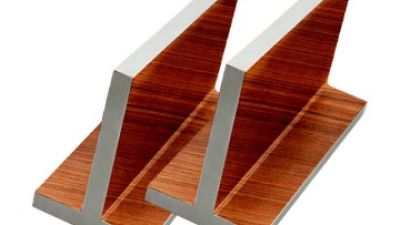
When considering projects that require structural support, the choice of the right size and type of Aluminium T-bar is crucial in maximizing your space. A high-quality Aluminium T-bar offers exceptional strength, making it suitable for a variety of applications where durability is a priority. Its robust construction from high-grade aluminium alloy ensures that it can withstand various environmental conditions, proving its worth in both residential and commercial projects.
In addition to its strength, our Aluminium T-bar features excellent corrosion resistance, allowing it to endure exposure to different environmental factors without compromising its performance. Precise dimensions are integral to any construction project, and our T-bars are manufactured to exacting standards to guarantee a perfect fit for your specific needs. Furthermore, the availability of various surface treatments, such as anodised, brushed, and polished finishes, not only enhances the visual appeal but also improves resistance to corrosion and abrasion, making it an ideal choice for projects that require longevity.
The versatility of Aluminium T-bar is unmatched, as it can be easily processed through cutting, drilling, and bending to accommodate various installation requirements. This ease of processing allows for seamless integration into your design, ensuring that you get the most out of your space without sacrificing quality or aesthetics. Whether for structural supports, decorative elements, or functional components, selecting the correct Aluminium T-bar will maximize your project's potential and longevity.
FAQS
: Automation and artificial intelligence are key technologies driving transformation in the industry.
Smart factories create seamless production lines, enhancing efficiency and reducing production costs.
Companies are developing eco-friendly methods, aiming to recycle aluminium and minimize waste.
Not all firms have access to advanced technologies, leading to a competitiveness gap.
Collaboration between manufacturers and tech providers helps bridge gaps in knowledge and resources.
Buyers encounter quality assurance problems and difficulty verifying supplier credibility.
Language differences can create misunderstandings about product specifications, complicating negotiations.
Delays in shipping can disrupt project timelines, affecting overall satisfaction.
Different regions have specific standards, and not all suppliers meet international requirements.
Conducting due diligence is essential but can be time-consuming; research is necessary for success.
Conclusion
China stands as a pivotal hub for aluminium production, significantly influencing the global market through its major production regions. The article explores the key players among aluminium suppliers in China, highlighting their market shares and the competitive landscape. It also discusses the quality standards and certifications that are essential for aluminium suppliers to meet global requirements.
Moreover, the pricing trends in China's aluminium market are outlined, providing insights into factors affecting costs. Sustainability practices adopted by aluminium suppliers reflect a growing focus on environmental responsibility. As the industry evolves, emerging technologies are transforming production processes. However, global buyers face challenges when sourcing aluminium from China, including logistical complexities and quality assurance issues, necessitating a strategic approach to procurement in this dynamic market.