When you're choosing materials for construction or manufacturing, getting a good grip on Aluminum Sectionsis pretty important. These lightweight but super strong materials are actually used in a ton of different applications. You'll find Aluminum Sections in all sorts of shapes and sizes, each designed for specific needs. Picking the right one can really make a difference in how well your project performs and how long it lasts.
Now, about choosing an Aluminum Section—at first glance, it might seem simple, but honestly, it can be a bit tricky. Factors like weight, strength, and finish all play a role in your decision. If you pick the wrong type, it could even lead to structural issues down the line. That's where a dependable supplier comes in—they understand these nuances and can help steer you toward the best choice for your project.
Having some experience and knowing what to look for really helps. Talking to experts who know their stuff can make all the difference. It’s also helpful to think back on past projects—what went smoothly, what didn’t. The more you learn about Aluminum Sections, the better your decisions will be. Trust me, getting the right info upfront saves you a lot of headaches later on.
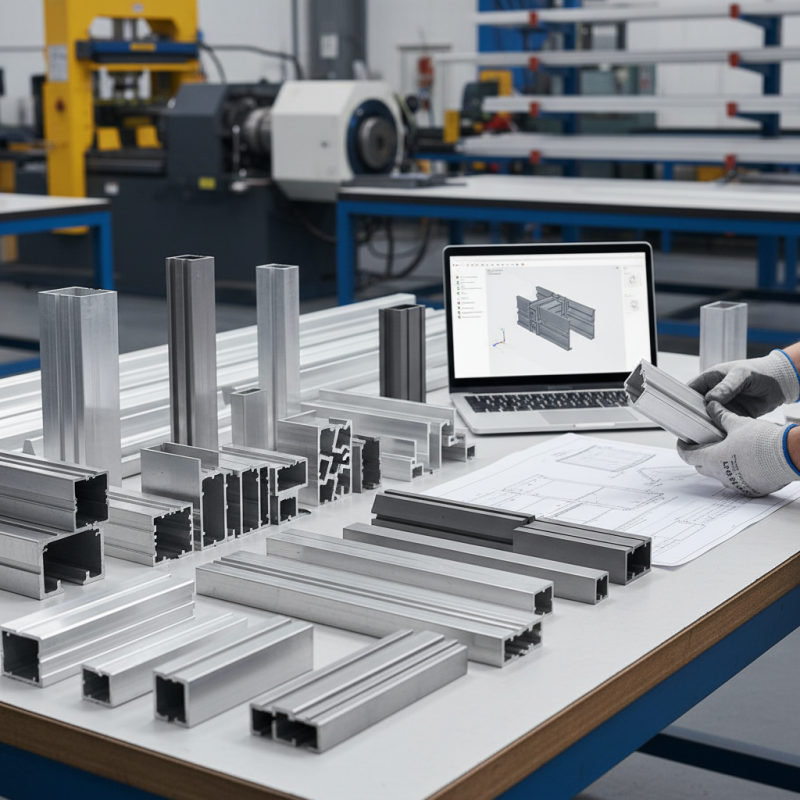
What are Aluminum Sections?
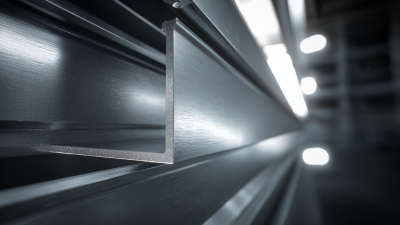
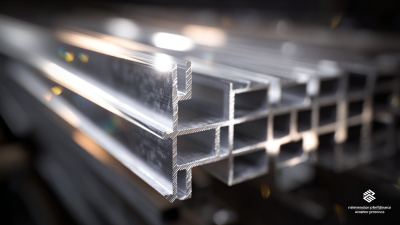
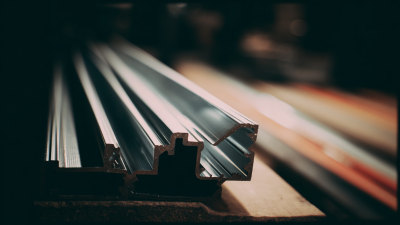
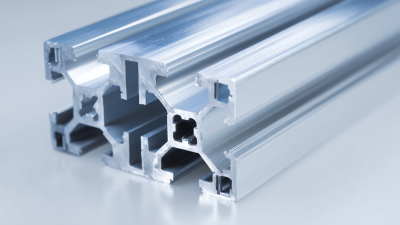
Aluminum sections are profiles made from aluminum. They come in various shapes, sizes, and thicknesses to suit diverse applications. Common forms include angles, channels, and tubes. These sections are versatile, used in construction, manufacturing, and even art. Their lightweight nature allows for easy manipulation and transportation.
Choosing the right aluminum section can be challenging. Consider the required strength and load-bearing capacity. The environment also plays a crucial role; for example, coastal areas require corrosion-resistant options. Thickness matters too; thicker sections often provide better durability.
It's essential to recognize that not every aluminum section works for each project. Sometimes, a specific shape may not provide the necessary support. Research is vital, and consulting experts can guide you in making informed choices. Each decision impacts the final outcome, so take your time. Ensure that the selected sections are suitable for your unique needs.
Types of Aluminum Sections and Their Applications
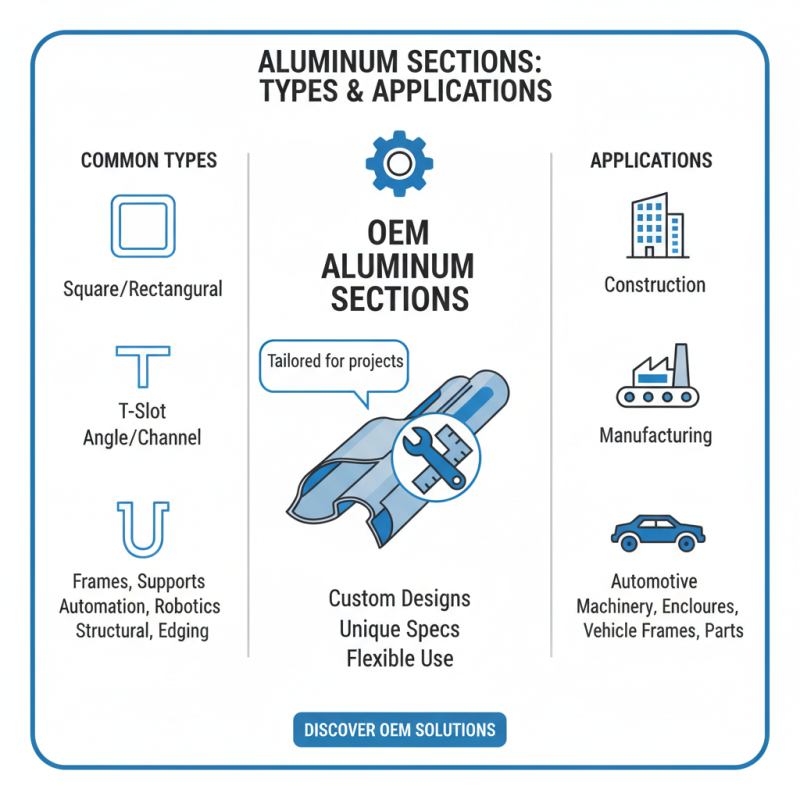
Aluminum sections are essential components used in various industries. Their lightweight and durable properties make them ideal for construction and manufacturing. A specific type, OEM Aluminum Sections, has gained popularity for custom projects. They cater to unique specifications, offering flexibility in design and application.
Different types of aluminum sections, like extruded and rolled sections, have distinct uses. Extruded Aluminum is widely used in structural frameworks. It supports heavy loads while maintaining a low weight. Rolled sections are typically found in applications requiring high strength and resilience. These are often used in industrial machinery and transport.
According to recent industry reports, the demand for aluminum sections is on the rise, projected to grow by 6.3% through 2027. This growth is attributed to advancements in manufacturing techniques and an increase in construction activities. However, the choice of aluminum section can be challenging. Balancing cost, weight, and strength is critical. Misjudging these factors can lead to structural failures. Hence, careful consideration and expertise are vital in selecting the right aluminum sections.
Key Factors to Consider When Choosing Aluminum Sections
Choosing the right aluminum sections requires careful consideration of multiple factors. First, assess the specific requirements of your project. For example, weight, strength, and corrosion resistance are crucial. According to industry reports, aluminum is lightweight yet strong, reducing structural load by up to 50% compared to steel.
Further, understand the environmental conditions the sections will face. Will they be exposed to moisture, extreme temperatures, or chemicals? Corrosion-resistant aluminum alloys, such as 6061 or 5083, offer better longevity. A study from the Aluminum Association indicates that using the appropriate alloy can extend the lifespan of your project by over 30%.
Lastly, consider the manufacturability of the sections. Some designs may be challenging or expensive to produce. Be aware of the potential trade-offs between custom designs and standard sections, as custom options can escalate costs quickly. A 2020 study highlighted that up to 20% of project budgets can be lost due to miscalculations in material selection. Prioritizing the right specifications now can prevent costly mistakes later.
Benefits of Using Aluminum Sections in Construction
Aluminum sections are becoming increasingly popular in construction. They offer numerous benefits that make them a top choice for builders and designers. One of the most notable advantages is their lightweight nature. This property simplifies transportation and handling on job sites. Workers can move large sections easily, which saves time and effort.
Another benefit is their resistance to corrosion. Aluminum sections withstand various environmental conditions without deteriorating. This durability ensures that structures maintain their integrity over time. For instance, in coastal regions where humidity levels are high, using China Aluminum Sections is wise. They perform exceptionally well, providing long-lasting solutions for builders.
Additionally, aluminum sections are versatile. They can be fabricated into different shapes and sizes, catering to diverse architectural needs. However, choosing the right type can be challenging. Factors like load-bearing capacity, environmental exposure, and design aesthetics must be considered. It's essential to think critically about these aspects to avoid potential issues later on. Many builders overlook these details, leading to costly adjustments down the line.
How to Measure and Specify Aluminum Sections Correctly
When selecting aluminum sections, accurate measurements and specifications are crucial. Start by using precise tools like calipers or tape measures. Know the dimensions you need, including width, height, and thickness. Document these details clearly; an incorrect measurement can lead to costly mistakes.
Consider the intended use of the aluminum sections. Are they for structural support, aesthetic applications, or both? Think about the load they will bear and the environment they will be in. For example, sections used outdoors may need additional corrosion resistance. Pay attention to factors like temperature or humidity levels. These elements impact the performance of your chosen sections.
Lastly, understand the available finishing options. Anodized, painted, or mill finish can change both appearance and durability. Each finish has its own benefits and drawbacks. Take time to reflect on what you truly need. This careful consideration can prevent issues down the line, saving both time and resources.
Aluminum Sections Popularity by Type
Common Mistakes to Avoid When Selecting Aluminum Sections
Choosing the right aluminum sections can be challenging. One common mistake is focusing solely on price. While budget is important, low-cost options may lack durability. This can lead to increased costs in the long run due to replacements or repairs.
Another mistake is not considering the specific application. Each project has unique requirements. Ignoring factors like weight, strength, and corrosion resistance can result in unsuitable selections. It’s vital to evaluate how the aluminum sections will perform in real-world conditions.
Customization is key. Many overlook the benefits of Custom Aluminum Sections. Tailoring these materials to fit specific designs can enhance both aesthetics and functionality. Make sure to ask questions about the materials and their properties. Take time to reflect on your choices; this can prevent costly errors down the road.
What is Aluminum Sections and How to Choose the Right Ones? - Common Mistakes to Avoid When Selecting Aluminum Sections
| Dimension | Type | Common Uses | Mistakes to Avoid |
| 20mm x 20mm | Square Tube | Framing, Supports | Choosing wrong wall thickness |
| 30mm x 15mm | Rectangular Tube | Railings, Furniture | Not considering load capacity |
| 40mm x 40mm | Square Profile | Structural Components | Ignoring environmental conditions |
| 10mm x 5mm | Flat Bar | Brackets, Reinforcements | Failing to measure correctly |
| 25mm x 25mm | Angle Section | Shelving, Supports | Not accounting for expansion |
Maintenance Tips for Aluminum Sections to Ensure Longevity
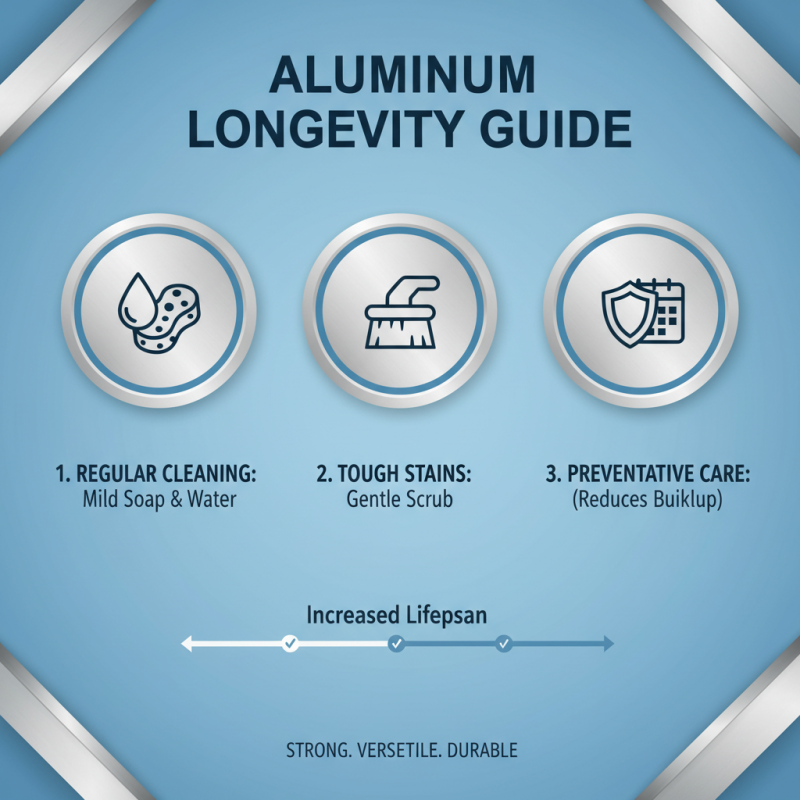
Aluminum sections are popular due to their strength and versatility. However, maintaining their longevity is crucial. Regular cleaning prevents dirt and grime buildup. A simple rinse with mild soap and water keeps them looking new. For tougher stains, a gentle scrub with a soft brush helps.
Inspecting your aluminum sections regularly is important. Check for signs of corrosion or damage. Pay attention to joints and connections, as these areas can wear out faster. Using protective coatings can also extend their life. Choose high-quality sealants that prevent moisture from penetrating.
It's easy to overlook maintenance. Many property owners neglect this aspect, leading to costly repairs later. Set a schedule for regular checks and cleanings. By doing so, you ensure your aluminum sections stand the test of time. If you’re looking for more insights, consider reaching out for Aluminum Sections Quotes.
Optimizing Structural Design with 6063 L Shape CNC Machining Aluminum Extrusion Profile: Benefits and Applications
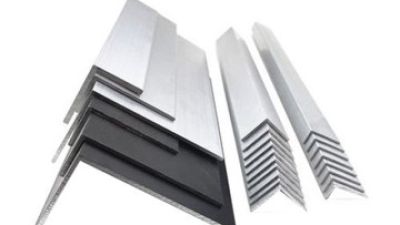
The versatility of L-shaped aluminum profiles makes them a popular choice in structural design and engineering applications. These extrusions feature two sides forming a precise 90-degree angle, allowing for various configurations that can meet the specific needs of different industries. Whether the sides are equal in length or differ, L-shaped profiles provide robust support and can easily adapt to various architectural and industrial uses.
The 6063 alloy is particularly beneficial for CNC machining applications. It offers excellent corrosion resistance, making it suitable for both indoor and outdoor environments. The lightweight yet strong nature of the aluminum helps reduce overall structure weight while maintaining durability. Moreover, the ability to customize L-shaped profiles means that even small dimensions or special designs can be manufactured, ensuring that every project can achieve optimal efficiency and functionality. This customization option is crucial for projects that require precise specifications and unique design elements, further enhancing the applicability of L-shaped aluminum profiles across various sectors.
FAQS
: Aluminum sections are used in construction and manufacturing due to their lightweight and durable properties.
Its lightweight nature makes transportation easier and it withstands corrosion, ensuring long-lasting structures.
Extruded sections are for structural frameworks, while rolled sections are used for high strength in machinery.
Consider load-bearing capacity, environmental exposure, and design aesthetics carefully to avoid future issues.
Use precise tools like calipers or tape measures to document width, height, and thickness accurately.
Options include anodized, painted, or mill finishes, each affecting appearance and durability differently.
Balancing cost, weight, and strength is critical; misjudgment can lead to structural failures.
Outdoor sections need additional corrosion resistance; temperature and humidity impact their effectiveness.
Improper choice can lead to costly adjustments, so critical thinking is essential in the selection process.
Demand is projected to grow by 6.3% through 2027, driven by advances in manufacturing and construction activity.
Conclusion
Aluminum sections are versatile metal components used extensively in construction and various industrial applications due to their lightweight and durable nature. This article explores the different types of aluminum sections, including extrusions, angles, and channels, along with their specific applications. When choosing the right aluminum sections, key factors such as load-bearing capacity, environmental conditions, and aesthetic needs must be considered to ensure optimal performance.
The benefits of using aluminum sections in construction include excellent corrosion resistance and low maintenance requirements. Proper measurement and specification are crucial to avoid common mistakes, ensuring that the selected sections meet project requirements. Additionally, maintenance tips are provided to help maximize the longevity of aluminum sections, reinforcing their value as a reliable construction material.