Leave Your Message
0%

When you're trying to make your way in the global Aluminum Market, really getting a handle onAluminum Profiling is super important. I mean, the market was worth around $166 billion back in 2020, and it’s expected to shoot up past $269 billion by 2027, according to Allied Market Research. That kind of growth just shows how much more aluminum is being used across the board—think automotive, construction, packaging, you name it.

But honestly, diving into Aluminum Profiling isn’t exactly a walk in the park. There’s a lot to consider — from extrusion tech and alloy choices to surface treatments. And of course, with new profiling techniques coming out all the time, it’s crucial to stay on top of what’s needed to get the right strength, durability, and that nice finish. The tricky part? Not every supplier can guarantee consistent quality, so you’ve got to be careful.

Plus, regional differences can really throw a wrench in the works. Different markets have their own standards and certifications, which can get pretty confusing since there’s no one-size-fits-all rulebook. That’s why it’s smart to go with trusted names like Hydro or Alcoa—they know their stuff and can reduce your risks. Bottom line? Knowing your way around Aluminum Profiling isn’t just a nice-to-have; it’s essential if you wanna stay ahead of the game and make smart choices in this competitive market.

Top Aluminum Profiling Tips for Global Buyers to Consider?

Understanding Aluminum Profiling: Key Concepts and Terminology

Top Aluminum Profiling Tips for Global Buyers to Consider?

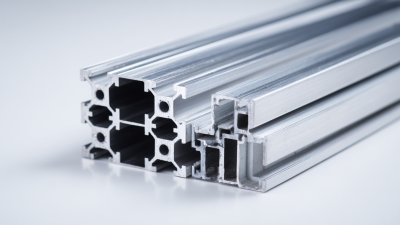
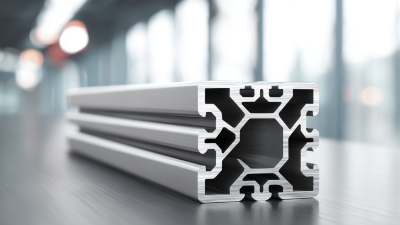
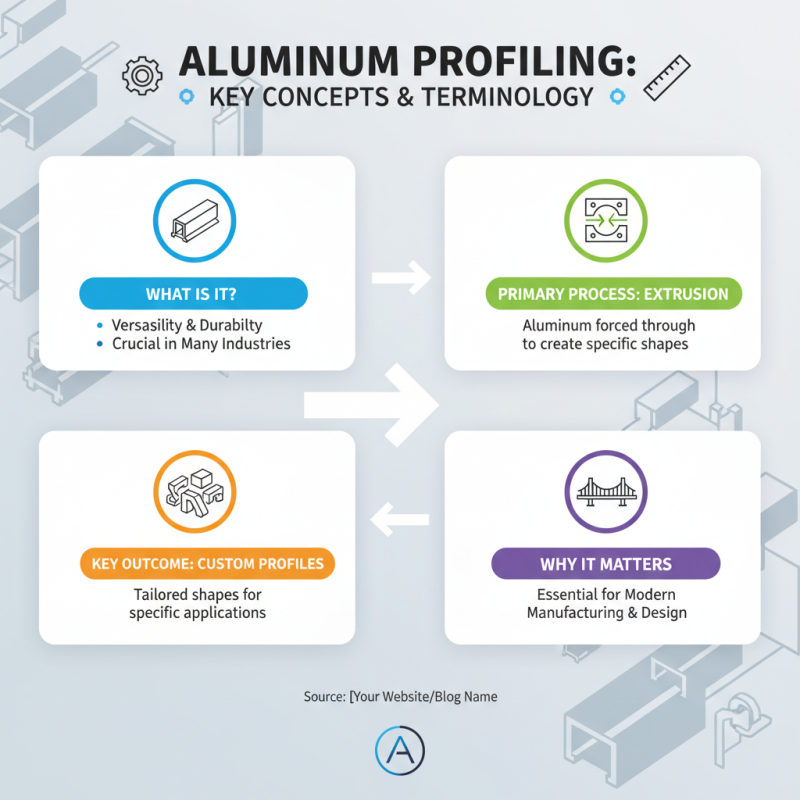
Understanding aluminum profiling requires familiarity with key concepts and terminology. Aluminum profiling is crucial in many industries, providing versatility and durability. Processes include extrusion, where aluminum is forced through a die to create specific shapes. This method allows for custom profiles, making it essential for tailored applications.

Recent industry reports highlight the increasing demand for OEM Aluminum Profiling. According to a report by MarketsandMarkets, the global aluminum extrusion market is expected to reach $90 billion by 2025. This growth reflects the rising need for lightweight materials in automotive and aerospace sectors. Buyers must understand the differences between standard and custom profiles, as well as the impact of alloy selection on strength and functionality.

Another important aspect is surface treatments, which can enhance resistance to corrosion and wear. Various processes, like anodizing, create a protective layer on the aluminum surface. However, not all treatments are suitable for every application. Buyers should consider the environment in which the profile will be used to make informed decisions. This knowledge helps ensure the longevity and performance of products derived from aluminum profiles.

Factors to Consider When Selecting an Aluminum Profile Supplier

When selecting an aluminum profile supplier, several key factors can guide your decision-making. Quality is paramount. Buyers should look for suppliers that emphasize strict quality control processes. This can include certifications and regular audits. Reliable suppliers are transparent about their production methods, providing detailed descriptions of their materials.

Pricing is another critical aspect. While competitive pricing is important, it should not come at the expense of quality. Suppliers offering low prices might compromise on the aluminum grade. It’s vital to analyze the long-term costs. Low-quality profiles may lead to higher maintenance and replacement expenses.

Communication plays a crucial role in the selection process. A supplier that responds promptly to inquiries reflects professionalism and reliability. Building a relationship with your supplier can enhance the collaboration. It's worth noting that while many countries offer aluminum profiles, China Aluminum Profiling stands out for its extensive selection and scalability. However, buyers should be mindful of variations in quality among different suppliers. Conduct thorough research before making a decision.

Quality Assurance Measures in Aluminum Profiling

When it comes to aluminum profiling, quality assurance is crucial for global buyers. First, understand the manufacturing process and the types of profiles available. Aluminum can be extruded into various shapes, but the quality of the extrusion depends on the equipment used and the expertise of the workers. Poor machinery can lead to defects such as warping or inconsistent dimensions.

Investing in proper quality control measures can prevent costly issues. Regular inspections during production are essential. Conduct tests for strength and durability to ensure the profiles meet your standards. Documenting these processes builds trust with suppliers and helps in future negotiations.

Always ask for certifications. They provide vital information about the supplier's commitment to quality. Look for third-party audits that assess manufacturing practices. These steps not only safeguard your investment but also enhance the reliability of your supply chain. Furthermore, communication with suppliers is vital. Misunderstandings in specifications can lead to significant setbacks. Be clear and concise about your requirements to mitigate risks.

Understanding Different Types of Aluminum Alloys and Their Uses

Top Aluminum Profiling Tips for Global Buyers to Consider?

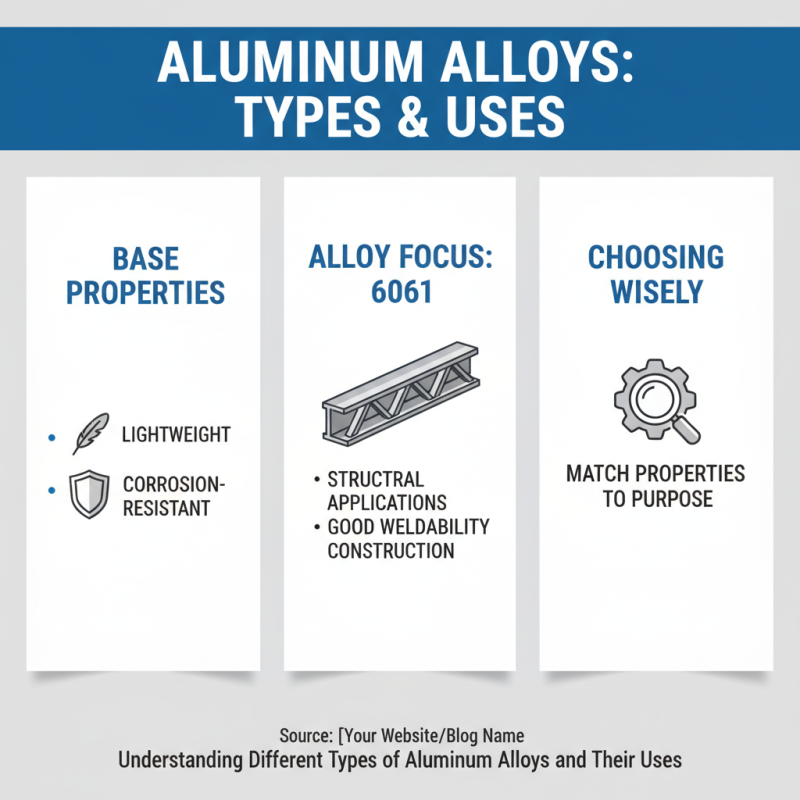
When choosing aluminum alloys, understanding their unique properties is essential. Aluminum is lightweight and resistant to corrosion. However, different alloys serve different purposes. For example, 6061 is great for structural applications. It offers good weldability and is often used in construction.

On the other hand, 7075 is known for high strength. It is commonly utilized in aerospace applications. However, it is less corrosion-resistant. Many buyers overlook this factor, which may lead to issues down the line.

Considering the intended application of the alloy is crucial. Not all alloys are created equal, and performing thorough research can save time and money. Asking questions about mechanical properties is a good practice. Ultimately, selecting the right alloy can make a significant difference in performance and longevity.

Cost-Efficiency in Aluminum Profiling: Tips for Global Buyers

Cost-efficiency is crucial for global buyers in aluminum profiling. The aluminum sector has shown a growing trend, with the market expected to reach $189 billion by 2025, according to industry reports. Buyers must consider material costs, manufacturing techniques, and supplier reliability. Aluminum profiles are often chosen for their lightweight properties and resistance to corrosion, making them suitable in various industries.

When evaluating suppliers, it's essential to examine their production processes. Data indicates that companies adopting lean manufacturing can reduce waste by up to 30%. This reduction directly impacts cost-efficiency. Buyers should also explore options for bulk purchasing. Bulk orders can yield a better price per unit, creating significant savings.

Transportation and logistics are additional factors to consider. Reports note that logistics can account for 20-30% of total costs in aluminum procurement. Opting for suppliers with efficient logistics solutions is vital. Buyers must weigh the benefits of local versus global suppliers. While local suppliers may have higher initial costs, they often provide faster shipping times and lower freight costs in the long run. Reflecting on these complexities can lead to better decision-making.

Sustainability Practices in Aluminum Profiling: What to Look For

When exploring sustainability in aluminum profiling, global buyers should prioritize eco-friendly practices. Look for suppliers who use recycled aluminum as their primary material. This significantly reduces the carbon footprint associated with production. Using recycled materials conserves energy and resources. Ask for documentation regarding their recycling processes.

Another essential aspect is energy efficiency in manufacturing. Factories that invest in energy-efficient technology are more likely to minimize environmental impact. Observe if they use renewable energy sources. Reducing waste during the profiling process is equally crucial. Identify suppliers who implement measures to reduce scrap and ensure responsible waste management.

Buyers often overlook the importance of end-of-life recycling for aluminum products. Brands should offer recycling options once their products reach the end of their usability. By doing so, they close the loop in the lifecycle of aluminum profiling. Request "Aluminum Profiling Quotes" that reflect these sustainability practices. Ensuring sustainability might feel overwhelming, but buyers can drive change with informed choices.

Global Trends in Aluminum Profiling and Market Insights

The global aluminum profiling market is experiencing significant growth. According to a recent market analysis, the industry is projected to reach $118.53 billion by 2027. This increase is attributed to several factors, including rising demand from construction and automotive sectors. Custom Aluminum Profiling is becoming increasingly popular due to its versatility and lightweight properties. Many manufacturers are adapting to these trends by investing in advanced technologies.


Emerging markets in Asia-Pacific are driving much of this growth. Countries like India and China have ramped up their production capabilities. Recent data indicates that these nations account for over 50% of global aluminum production. However, challenges remain. Quality control issues and fluctuating raw material prices can strain supply chains. Buyers must consider long-term relationships with suppliers to mitigate these risks.


Sustainability is another crucial factor shaping the market. Consumers are more eco-conscious than ever. Reports show that recycling aluminum saves up to 95% energy compared to primary production. This trend influences sourcing strategies for global buyers. Thus, fostering partnerships with providers that prioritize sustainable practices in custom aluminum profiling is essential for navigating the market effectively.

FAQS

: What is aluminum profiling?

: Aluminum profiling involves shaping aluminum through processes like extrusion, suitable for various applications.

Why is extrusion important?

Extrusion allows for custom profiles, enabling tailored designs specific to industry needs and applications.

What are surface treatments in aluminum profiling?

Surface treatments enhance aluminum's resistance to wear and corrosion, such as anodizing for added protection.

How does alloy selection affect aluminum profiles?

The chosen alloy impacts strength and functionality, which influences the profile's overall performance.

What should buyers consider for cost-efficiency?

Buyers need to assess material costs, supplier reliability, and manufacturing techniques for effective budgeting.

How can bulk purchasing benefit buyers?

Bulk orders often lower the price per unit, leading to considerable savings on overall expenses.

What role do logistics play in costs?

Logistics can constitute 20-30% of total aluminum procurement costs, influencing budgeting and supplier choice.

Should buyers prefer local or global suppliers?

Local suppliers may offer faster shipping and lower freight, while global suppliers can provide lower initial prices.

What is a critical factor for production processes?

Companies using lean manufacturing can cut waste by 30%, directly improving cost-efficiency and sustainability.

Why is understanding the use environment key?

Knowing how profiles will be used helps buyers make informed decisions about necessary surface treatments and alloys.

Conclusion

Aluminum Profiling is a crucial process for global buyers to understand, encompassing various key concepts and terminology essential for effective procurement. When selecting an aluminum profile supplier, buyers should consider factors such as reliability, experience, and the range of profiles offered. Quality assurance measures are paramount, ensuring that the products meet industry standards and customer specifications. Additionally, understanding the different types of aluminum alloys and their respective uses can facilitate informed decision-making based on the specific requirements of projects.

Cost-efficiency is another critical aspect of Aluminum Profiling, with strategic tips provided for buyers to maximize value while minimizing expenses. Sustainability practices are increasingly important, and buyers should look for suppliers that prioritize eco-friendly processes. Finally, staying abreast of global trends in aluminum profiling can offer valuable insights into market dynamics and innovations, enabling buyers to make informed choices in an evolving landscape.
Amelia

Amelia

Amelia is a dedicated marketing professional at Foshan Yilu Aluminum Company, where she combines her passion for aluminum products with a deep understanding of the industry. With a strong background in marketing and a keen expertise in the company’s offerings, Amelia plays a crucial role in the......
Previous China Best Aluminum Profiling Solutions for Global Buyers?