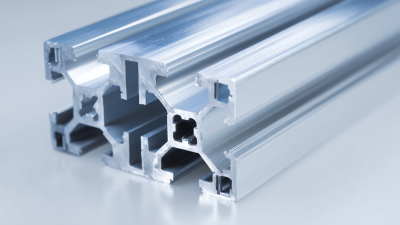
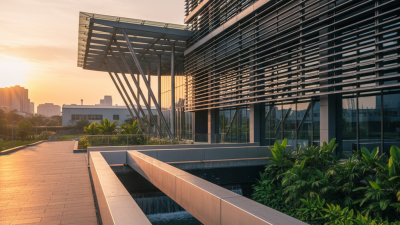
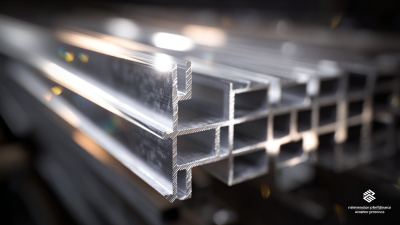
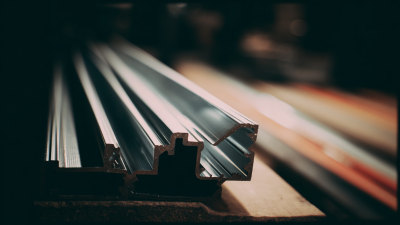
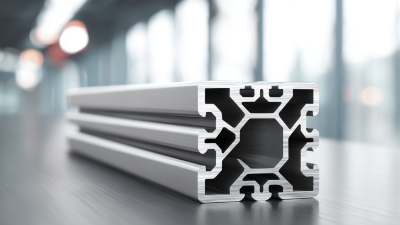
The construction world is really starting to see just how valuable Aluminum Profiles can be. You know, aluminum is such a versatile material—it's lightweight, durable, and doesn't corrode easily. I recently read a report from the International Aluminum Institute, and it was pretty eye-opening: demand for aluminum in construction has gone up by about 25% over the last ten years. A big reason for that is its eco-friendly edge and how energy-efficient it is, which is a huge bonus these days.
John Anderson from Aluminum Innovations Corp mentioned, “Aluminum Profiles are changing the game in construction with their amazing functionality.” And honestly, he's right. These profiles open up a lot of creative possibilities without sacrificing strength. For example, using Aluminum Extrusion Profiles in building facades not only boosts the look but also helps with energy savings, which is pretty cool.
That said, it’s not all smooth sailing. Making custom aluminum profiles can be pretty resource-heavy, and there’s always the challenge of staying ahead of new tech in construction. Still, even with these hurdles, the perks—like saving costs and having more flexible design options—pretty much make it impossible to ignore aluminum’s role in building projects today.
Advantages of Aluminum Profiles in Sustainable Construction Materials
Aluminum profiles are gaining traction in sustainable construction. They are lightweight yet incredibly strong. This makes them ideal for modern building designs. According to the Aluminum Association, using aluminum in construction can reduce energy consumption by up to 30%. Such figures illustrate its significance in today’s eco-conscious world.
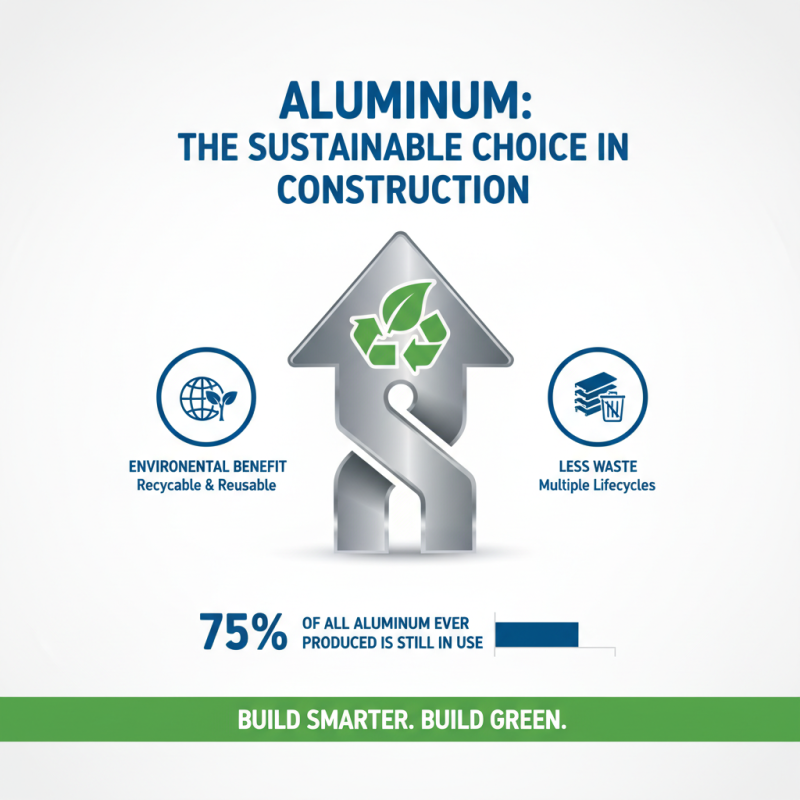
Another crucial benefit of aluminum profiles is their recyclability. Over 75% of all aluminum produced is still in use today, thanks to recycling efforts. When aluminum is recycled, it consumes only 5% of the energy needed for primary production. This process minimizes environmental impact. Despite these advantages, challenges remain. The production process can be energy-intensive if not managed properly.
Moreover, while aluminum’s durability is a strength, it may pose issues like corrosion. Even with protective coatings, attention is required to maintain structural integrity. These aspects highlight the importance of striking a balance between innovation and responsibility in utilizing aluminum profiles. As the green building movement continues to grow, the focus on sustainable materials like aluminum will only intensify.
Top 10 Benefits of Using Aluminum Profiles in Construction
Lightweight Properties of Aluminum Profiles and Their Impact on Design
Lightweight properties of aluminum profiles play a vital role in construction. Aluminum Profile Extrusion offers a unique advantage due to its reduced weight. Compared to steel, aluminum weighs about one-third less, which significantly eases transportation and handling on-site. This reduction can lead to lower labor costs and quicker assembly times. A report from the Aluminum Association noted that using aluminum can cut overall construction time by around 20%.
In addition to practical benefits, the lightweight nature of aluminum profiles impacts design flexibility. Architects can create intricate shapes without worrying about heavy load requirements. This flexibility can enhance aesthetic appeal and functionality. However, the challenge remains in balancing strength and lightweight design. While aluminum is strong, it is essential to assess its use in load-bearing applications. Sometimes, engineers may need to reinforce structures, which can offset some of the weight benefits.
Moreover, while lightweight materials like aluminum profiles are desirable, they can also raise concerns about durability. Over time, exposure to environmental elements can affect performance. Therefore, proper coating and maintenance are essential. Regular assessments can help identify any weaknesses and ensure longevity. Such balance between lightweight convenience and robust strength remains a focal point for successful construction projects.
Corrosion Resistance: Enhancing Durability in Construction Projects
Corrosion resistance is a crucial factor in construction projects. Aluminum profiles excel in this area, making them a popular choice. According to a recent industry report, aluminum can resist corrosion in various environments better than steel or wood. This characteristic can significantly extend the lifespan of structures.
Projects using aluminum profiles require less maintenance. This is vital for long-term cost efficiency. Aluminum's natural oxide layer protects it from the elements. This protection means fewer repairs and replacements, reducing operational costs. A study showed that structures with aluminum profiles had a 40% longer lifespan compared to those using traditional materials.
However, not all applications benefit equally. Some environments may present challenges. High humidity or chemical exposure can affect aluminum over time. It’s essential to consider local conditions when choosing materials. Proper engineering assessments can help optimize the use of aluminum in specific settings, maximizing its advantages while addressing potential drawbacks.
Thermal Conductivity of Aluminum Profiles for Energy Efficiency
Aluminum profiles offer remarkable thermal conductivity, a critical factor for energy efficiency in buildings. This property allows buildings to maintain a stable indoor climate. With lower thermal conductivity, aluminum helps in reducing heating and cooling costs. Such efficiency is essential in both residential and commercial constructions.
Incorporating aluminum profiles, especially for doors, contributes to minimizing energy loss. These profiles can create a tight seal, reducing drafts and enhancing insulation. However, some designs may not maximize this benefit. It’s vital to choose the right thickness and style. Compromises in design can lead to unintended thermal bridging, which undermines energy savings. Understanding these nuances is necessary for effective usage.
The longevity of aluminum also plays a role in sustainability. Using aluminum profiles reduces the frequency of replacement, minimizing waste. Still, it's important to acknowledge that not all recycled aluminum performs equally. Ensuring high-quality sources is vital for actual green benefits. In conclusion, while aluminum profiles present various advantages, careful consideration of design and material choice is crucial for optimizing their energy efficiency.
Eco-Friendly Recyclability of Aluminum in Modern Building Practices
Aluminum has become a staple in modern construction. Its recyclability significantly benefits the environment. When you use aluminum profiles, you're making a sustainable choice. They can be reused multiple times without losing quality. This means less waste in landfills. In fact, almost 75% of all aluminum ever produced is still in use.
The use of Window Aluminum Profile is a prime example of this eco-friendly practice. These profiles not only enhance the aesthetic of buildings but also reduce energy consumption. By incorporating aluminum, structures can utilize natural light more effectively. However, it's crucial to ensure that recycling processes are properly managed. If not handled correctly, some aluminum could still end up wasted. Awareness and responsible usage are essential.
Constructing with aluminum also prompts reflection on sourcing practices. Sustainable mining practices are necessary to truly call aluminum green. Using recycled aluminum is better, but the initial extraction can raise concerns. Balancing these factors is vital in the conversation about eco-friendly construction. The goal should always be to minimize the carbon footprint.
Cost-Effectiveness of Aluminum Profiles in Long-Term Construction Projects
In long-term construction projects, aluminum profiles stand out for their cost-effectiveness. They are lightweight yet strong, which simplifies transportation and handling on-site. This can lead to lower labor costs. Moreover, aluminum profiles resist corrosion, minimizing the need for costly maintenance. Once installed, they can last for decades.
While the initial investment may seem high, the longevity of aluminum profiles pays off over time. Projects benefit from reduced replacement costs. They also maintain their aesthetic appeal, which can be vital for property value. Focused energy savings, due to their thermal efficiency, can lower heating and cooling costs.
However, it is important to consider the sourcing of materials. The manufacturing process can have environmental impacts. Also, certain projects may have specific requirements that aluminum profiles might not meet. In such cases, careful planning is necessary to ensure that aluminum truly fits the project's needs. Balancing cost with durability and environmental concerns is crucial for success.
Top 10 Benefits of Using Aluminum Profiles in Construction
| Benefit | Description | Long-term Impact |
| Cost-Effectiveness | Lower material and maintenance costs make aluminum profiles economical. | High durability reduces lifetime costs significantly. |
| Lightweight | Easier to handle and transport compared to other materials. | Reduces labor costs and increases efficiency on-site. |
| Corrosion Resistance | Naturally resistant to oxidization and rust. | Extends the service life of structures. |
| Versatility | Can be used for various applications in construction. | Adaptable for different design needs, minimizing waste. |
| Low Thermal Conductivity | Helps maintain temperature and energy efficiency. | Lower heating and cooling costs over time. |
| Sustainability | Recyclable material with a low environmental impact. | Promotes green building practices, reducing waste. |
| Aesthetic Appeal | Modern and sleek appearance enhances design. | Increases property value through visual attractiveness. |
| Speed of Installation | Pre-fabrication reduces on-site assembly time. | Faster project completion leads to lower overhead costs. |
| Safety | Non-toxic and does not emit harmful substances. | Creates a healthier environment for workers and occupants. |
Versatility of Aluminum Profiles: Applications Across Various Structures
Aluminum profiles are increasingly popular in construction, especially for their versatility across various structures. These profiles can be used in residential buildings, commercial spaces, and even in bridges. A report by the Aluminum Association indicates that the construction sector accounts for approximately 50% of aluminum usage. This highlights the material's significant role in modern architecture.
One notable advantage of aluminum profiles is their lightweight nature. They are easier to transport and install compared to other materials. This can speed up construction timelines significantly. Research shows that buildings using aluminum profiles can reduce overall weight by 30% or more. This reduction is crucial, especially for high-rise buildings where every pound counts.
However, not all applications may benefit equally from aluminum. For instance, certain structures may require higher strength materials in demanding conditions. While aluminum profiles provide flexibility, they may not always be the best option in heavy-load scenarios. It's important to assess each project’s requirements closely. The right choice often depends on the specific Aluminum Profile Types suitable for the job at hand.
Innovative Design and Durability: Exploring Dominican Powder Coated Aluminum Profiles for Modern Door and Window Solutions
Innovative design and durability are essential elements in the development of modern door and window solutions, particularly in regions like the Dominican Republic where climate resilience is a priority. The use of powder-coated aluminum profiles has emerged as a favored choice among architects and builders, combining aesthetic appeal with practical benefits. These profiles offer resistance to corrosion, UV damage, and harsh weather conditions, ensuring that installations maintain their appearance and functionality over time.
With a commitment to quality, manufacturers in the aluminum profile sector have evolved their product offerings to cater to the demands of contemporary construction. The introduction of various traditional series showcases the versatility of aluminum as a material, allowing for a range of design possibilities that meet modern tastes while providing robust performance. This versatility is not just about design; it also means enhanced energy efficiency through improved insulation properties, making these aluminum profiles an ideal choice for sustainable building practices.
As the demand for innovative and durable building materials continues to rise, powder-coated aluminum profiles stand out as a solution that aligns with the modern aspirations of homeowners and builders alike. Their ability to seamlessly blend function with style positions them as an essential component in the construction of advanced door and window solutions tailored for diverse environments.
FAQS
: Sustainable materials reduce environmental impact. They often last longer and can improve health.
Look for certifications or labels indicating eco-friendly practices. Research brands to understand their sourcing.
It can be challenging, especially at first. It may require some effort in changing old habits.
Prices can be higher initially. However, they may save money over time due to durability.
Many believe it’s too costly or complicated. This isn’t always true; small changes are often manageable.
Yes, individual choices can impact larger systems. Every small step contributes to collective progress.
Set achievable goals and reflect on your progress. Surround yourself with supportive community members.
Not necessarily. Many sustainable products excel in quality and performance but may require careful selection.
Explore online shops or local groups. Sometimes, sharing resources with others can lead to better options.
It’s tough to achieve full sustainability. Focus on making better choices and continuous improvement.
Conclusion
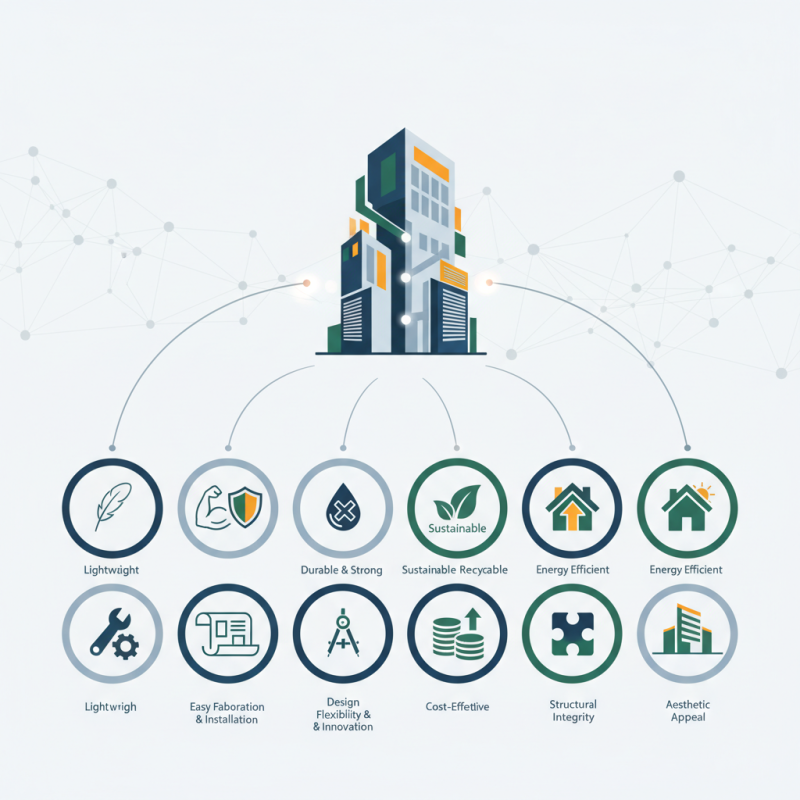
Aluminum profiles have become a popular choice in modern construction due to their numerous advantages. Their lightweight properties facilitate versatile design options, making them suitable for a variety of structures while reducing transportation and installation costs. Additionally, aluminum profiles are known for their exceptional corrosion resistance, which enhances durability and extends the lifespan of construction projects.
Sustainability is another key benefit, as aluminum is eco-friendly and highly recyclable, aligning well with contemporary building practices aimed at reducing environmental impact. Furthermore, the thermal conductivity of aluminum profiles contributes to energy efficiency, making buildings more comfortable and reducing energy costs. Overall, the cost-effectiveness and versatility of aluminum profiles in construction underscore their importance in today’s architectural landscape.