You know, in today’s world of manufacturing, Aluminum Extruded products really hold a special place. They’re not just strong and lightweight—they’re super versatile too. Over the years, they’ve moved beyond just traditional uses and are now totally essential in industries like aerospace, construction, and more. I remember reading somewhere that Mark D. Anderson, who's quite the expert in aluminum extrusion, said, "The adaptability of aluminum extruded products makes them invaluable in creating innovative solutions for contemporary engineering challenges." That really hits the nail on the head, doesn’t it?
There are so many benefits to using these products. For starters, they’re incredibly flexible when it comes to design. Want complex shapes or intricate structures? No problem. Plus, they’re a bit greener, too—since aluminum can be recycled endlessly without losing quality. That makes them a smart choice for companies looking to stay ahead of the curve on sustainability. So, in this little intro, I want to highlight just how vital aluminum extrusions are in shaping the future of manufacturing — helping to optimize production, cut costs, and spark new innovations. Honestly, it’s pretty exciting to see how they’re changing the game!
Benefits of Aluminum Extrusion in Contemporary Manufacturing
Aluminum extrusion has become an integral part of contemporary manufacturing, offering distinct advantages that enhance operational efficiencies. One primary benefit is its lightweight nature, which allows for more manageable handling and reduces energy consumption in transportation. According to a report by the Aluminum Association, products made from aluminum can be as much as 70% lighter than their counterparts made from steel, providing manufacturers with the opportunity to innovate designs that are not only lighter but also structurally sound. This property is particularly beneficial in the automotive and aerospace industries, where weight reduction translates directly into fuel efficiency and overall performance.
Additionally, aluminum extrusion provides exceptional versatility in design, enabling manufacturers to create intricate shapes and profiles that meet precise specifications. Research from the International Aluminum Institute indicates that about 50% of all aluminum produced globally is utilized in extruded products. This adaptability allows for the efficient use of space and material, further driving down production costs. Moreover, the ability to easily integrate features such as thermal breaks and varying wall thicknesses in a single extruded profile means manufacturers can achieve complex functionalities without compromising on quality or performance. As industries increasingly prioritize sustainability and innovation, aluminum extrusion remains a pivotal process in modern manufacturing.
Versatility of Aluminum Extruded Products in Various Industries
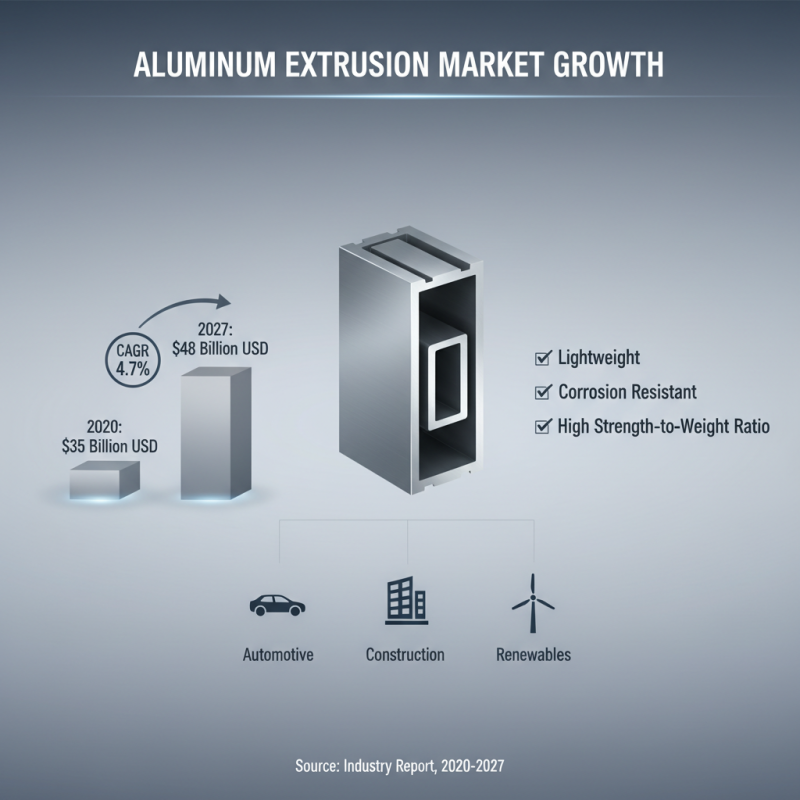
Aluminum extruded products have gained significant traction across various industries, thanks to their unparalleled versatility and adaptability. The global aluminum extrusion market was valued at approximately USD 35 billion in 2020 and is projected to reach around USD 48 billion by 2027, growing at a compound annual growth rate (CAGR) of 4.7%. This growth is largely attributed to the unique properties of aluminum, such as its lightweight nature, corrosion resistance, and high strength-to-weight ratio, making it an ideal choice for applications in sectors ranging from automotive to construction.
In the automotive industry, for instance, aluminum extrusions are critical in weight reduction strategies, contributing to improved fuel efficiency and lower emissions. A recent report highlights that the Use Of Aluminum in vehicles can result in weight savings of up to 50% when compared to traditional steel components. Similarly, in the construction sector, aluminum extruded products are widely used for window frames, doors, and structural applications, owing to their durability and aesthetic appeal. The shift towards sustainable building practices has further fueled the demand for aluminum, as its recyclability aligns with eco-friendly building standards. Such benefits underscore the adaptability of aluminum extrusions, reinforcing their status as a preferred material in modern manufacturing across diverse industries.
Cost-Effectiveness of Aluminum Extrusion Compared to Other Materials
Aluminum extrusion has gained significant traction in modern manufacturing due to its remarkable cost-effectiveness when compared to other materials. One of the primary advantages of aluminum is its lightweight nature, which translates to reduced shipping and handling costs. Assemblies and components made from aluminum can often be manufactured to tighter tolerances, reducing the need for costly secondary processes. Additionally, aluminum’s excellent strength-to-weight ratio means that designers can create lighter parts without compromising structural integrity, leading to substantial savings over the life cycle of the product.
Moreover, the versatility of aluminum extrusion allows for a wide variety of shapes and applications, which further enhances its economic appeal. The ability to create custom profiles in large quantities reduces material wastage, unlike traditional manufacturing processes that might need additional cutoff and machining. This not only minimizes costs but also aligns with sustainable manufacturing practices, as less scrap is generated. Overall, the financial benefits of employing aluminum extrusion in manufacturing processes make it a preferred choice for companies looking to optimize production without sacrificing quality.
Lightweight Characteristics and Their Impact on Manufacturing
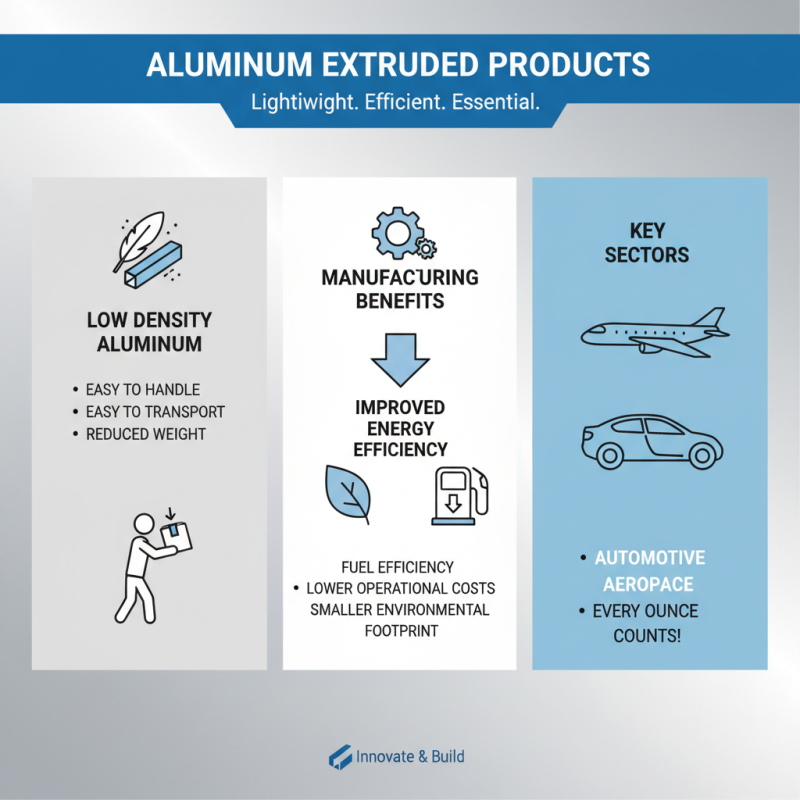
Aluminum extruded products are increasingly becoming vital in modern manufacturing due to their lightweight characteristics. The low density of aluminum allows manufacturers to design products that are not only easier to handle and transport but also contribute to overall energy efficiency. This is particularly important in sectors such as automotive and aerospace, where every ounce counts. By reducing the weight of components, manufacturers can improve fuel efficiency, leading to lower operational costs and a smaller environmental footprint.
The lightweight nature of aluminum also promotes flexibility in design and manufacturing processes. Engineers can create intricate shapes and complex structures without the limitations often posed by heavier materials. This adaptability ensures that products can be optimized for performance while maintaining structural integrity. Furthermore, the extrusion process enables the efficient production of long, continuous shapes, reducing waste and ensuring a more sustainable manufacturing approach. In essence, the lightweight characteristics of aluminum extrusions drive innovation and efficiency, making them a preferred choice in the evolving landscape of modern manufacturing.
Corrosion Resistance of Aluminum Products in Diverse Environments
Aluminum extruded products have gained significant traction in modern manufacturing, primarily due to their remarkable corrosion resistance, which is crucial for applications across diverse environments. This unique property stems from the formation of a natural oxide layer on the surface of aluminum, which acts as a protective barrier against moisture, chemicals, and oxidizing agents. As a result, aluminum components maintain their integrity even in harsh conditions, making them ideal for industries such as construction, automotive, and aerospace, where longevity and performance are paramount.
Moreover, the versatility of aluminum extrusions allows for innovative designs without compromising on strength. Their lightweight nature combined with excellent corrosion resistance reduces the overall weight of products, leading to energy efficiency and cost savings in transportation and installation. Whether exposed to salty marine atmospheres, acidic environments, or extreme temperatures, aluminum extruded products exhibit superior resilience, ensuring that manufacturers can rely on these materials for a wide range of applications while minimizing maintenance and replacement costs.
Sustainability and Recyclability of Aluminum Extruded Products
Aluminum extruded products are increasingly recognized for their significant contributions to sustainability in modern manufacturing. One of the most compelling advantages of aluminum is its recyclability. Aluminum can be recycled indefinitely without losing its properties, which means that products made from aluminum can be reprocessed and utilized repeatedly. This closed-loop system reduces the need for raw materials and minimizes energy consumption compared to producing new aluminum from bauxite ore. Moreover, using recycled aluminum results in about 95% less energy exhaust compared to primary production, significantly lowering greenhouse gas emissions.
As manufacturers pivot towards sustainable practices, embracing aluminum extruded products can enhance their environmentally friendly initiatives. The lightweight nature of aluminum also contributes to energy savings during transportation, reducing the overall carbon footprint. Additionally, various industries are finding innovative ways to incorporate recycled aluminum, promoting a circular economy that benefits both businesses and the planet.
Tip: When selecting aluminum extruded products for your projects, consider sourcing from suppliers with sustainable practices. This not only supports environmentally responsible production but also ensures that the aluminum used is derived from recycled materials, further enhancing the sustainability of your manufacturing processes. Remember that opting for local suppliers can also reduce transportation emissions.
Top Benefits of Aluminum Extruded Products in Modern Manufacturing - Sustainability and Recyclability of Aluminum Extruded Products
| Benefit | Description | Sustainability Impact | Recyclability |
| Lightweight | Aluminum extrusions are significantly lighter than steel and other metals. | Reduces energy consumption in transportation and handling. | 100% recyclable without loss of properties. |
| Corrosion Resistance | Aluminum does not rust, providing long-lasting durability. | Lowers the need for replacements and reduces waste. | Easily recycled and reused for new products. |
| Thermal Conductivity | Excellent thermal conductor, suitable for heat exchangers. | Improves energy efficiency in systems utilizing heat transfer. | Can be recycled to retain thermal properties. |
| Versatility | Can be fabricated into complex shapes for various applications. | Allows for innovative designs reducing material waste. | Remains recyclable regardless of the shape processed. |
| Cost-Effectiveness | Lower production and maintenance costs over time. | Encourages sustainable practices through reduced resource needs. | Recycling helps to mitigate costs associated with raw material sourcing. |
Innovations in Aluminum Extrusion Technology for Modern Applications
Aluminum extrusion technology has seen significant innovations in recent years, particularly as industries seek lighter, more efficient materials for modern applications. According to a report by the Aluminum Association, the global aluminum extrusion market is projected to reach $75 billion by 2026, driven by advancements in manufacturing processes and an increasing demand for lightweight components across sectors such as automotive, aerospace, and construction. These innovations include the development of more sophisticated extrusion press systems and the implementation of advanced computerized modeling techniques, which enhance precision and reduce waste during production.
One exciting trend in aluminum extrusion is the introduction of multi-material extrusion processes, allowing manufacturers to combine aluminum with other materials to create hybrid products. This approach not only expands the functional capabilities of extruded products but also caters to the growing need for sustainable materials. Focused on meeting stringent performance criteria, companies are investing in research and development efforts that increase the durability and corrosion resistance of aluminum components, making them suitable for a wider range of applications.
Tips: When selecting aluminum extruded products for your project, consider collaborating with manufacturers who employ the latest extrusion technologies. This ensures access to high-quality materials tailored to your specific needs. Additionally, keep an eye on innovations in surface treatment processes, which can greatly enhance the aesthetic appeal and longevity of aluminum products.
Top Benefits of Aluminum Extruded Products in Modern Manufacturing
This chart illustrates the top benefits of aluminum extruded products in modern manufacturing, showcasing their advantages in various dimensions such as lightweight, corrosion resistance, design flexibility, cost efficiency, and sustainability. Each benefit is rated on a scale of 0 to 100.
Unlocking the Benefits of 6063-T5 Aluminum Profiles for Modern Window and Door Solutions
The use of 6063-T5 aluminum profiles in modern window and door solutions has garnered significant attention due to their impressive performance characteristics. These aluminum profiles stand out for their excellent wind pressure resistance, making them a reliable choice for high-rise buildings and areas prone to extreme weather conditions. According to industry reports, aluminum extrusions, particularly those utilizing the 6063-T5 alloy, have shown a marked increase in their usage, reflecting a trend towards lightweight yet sturdy structural materials in architectural designs.
In addition to their structural integrity, 6063-T5 aluminum profiles are known for their non-combustibility. This is particularly important as building codes become increasingly stringent regarding flame retardant materials. The ability of 6063-T5 profiles to withstand fire while providing safe egress options is invaluable, especially in urban environments. Moreover, these profiles can be custom-designed to accommodate various opening methods, including flat opening, double opening, sliding, and folding options, thus providing versatility in design and functionality.
The benefits of 6063-T5 aluminum profiles extend beyond safety and durability. They also offer aesthetic flexibility, allowing architects and builders to create modern designs that emphasize both form and function. As the construction industry continues to evolve, the demand for energy-efficient and sustainable materials is rising, positioning aluminum profiles as an essential component of contemporary window and door installations.
FAQS
: Aluminum extruded products are utilized in various industries, including automotive and construction, due to their versatility and adaptability.
Aluminum is lightweight, corrosion-resistant, and has a high strength-to-weight ratio, making it ideal for numerous applications.
The use of aluminum in vehicles can result in weight savings of up to 50% compared to traditional steel components, leading to improved fuel efficiency and reduced emissions.
Aluminum's recyclability and durability align with eco-friendly building standards, making it a preferred material in the construction sector.
Aluminum extrusion is cost-effective due to its lightweight nature, which lowers shipping costs, and the ability to manufacture tight tolerances, reducing the need for costly secondary processes.
The ability to create custom profiles in large quantities reduces material wastage, as it requires less machining compared to traditional manufacturing processes.
Aluminum's excellent strength-to-weight ratio allows designers to create lighter parts without sacrificing structural integrity, which can lead to significant savings over the product's life cycle.
The global aluminum extrusion market is projected to grow from approximately USD 35 billion in 2020 to around USD 48 billion by 2027, with a CAGR of 4.7%.
Aluminum extruded products are commonly used for window frames, doors, and structural applications due to their durability and aesthetic appeal.
Aluminum extrusion minimizes scrap and reduces material wastage, aligning with sustainable manufacturing practices and contributing to cost-effectiveness.
Conclusion
Aluminum extruded products have become integral to modern manufacturing due to their numerous benefits. The versatility of these products enables their application across various industries, from automotive to construction, making them ideal for a wide range of uses. Moreover, aluminum extrusion proves to be cost-effective when compared to other materials, allowing manufacturers to reduce expenses while maintaining high-quality standards.
The lightweight nature of aluminum extruded products significantly impacts manufacturing processes by improving efficiency and reducing transportation costs. Coupled with exceptional corrosion resistance, these products perform well in diverse environments, enhancing their longevity and reliability. Additionally, the sustainability and recyclability of aluminum contribute to environmentally conscious manufacturing practices. Innovations in aluminum extrusion technology continue to push boundaries, enabling the development of advanced solutions that meet the evolving needs of industries today.