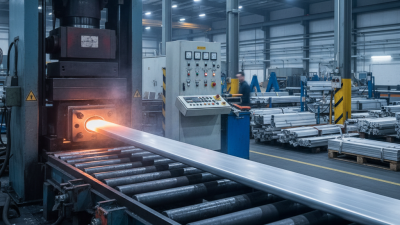
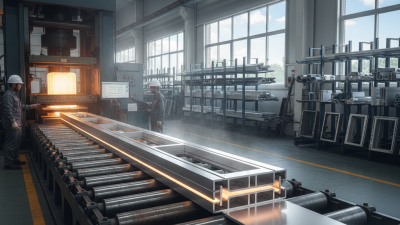
Picking the right Aluminum Sections for your project can feel pretty overwhelming at first, right? With so many options out there, it’s really important to get a sense of what makes each type special. Things like strength, weight, and how well it resists rust—they all matter and can influence your choice.
A lot of folks in construction and manufacturing will tell you that not all Aluminum Sections are the same. Some might swear by a certain type based on what they’ve used before, but really, it’s about understanding what your project actually needs. Think about the environment it’ll be in, the weight it has to carry, and how it should look—it’s not always a one-size-fits-all deal. And hey, that’s totally fine!
Don’t forget to chat with reliable experts if you can. Companies like Aluminum Extrusions Inc. are great because they know their stuff. Their advice can help you make smarter decisions instead of just guessing. At the end of the day, picking the right Aluminum Sections isn’t about following trends or going with the crowd—it’s about finding what fits your specific project best, and that’s what really counts.

Understanding Aluminum Sections and Their Applications
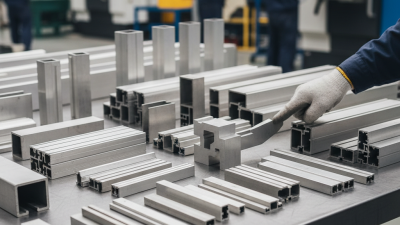
Aluminum sections are versatile materials used across various industries. Understanding their types and applications can greatly enhance your next project. Common shapes include angles, channels, and extruded profiles. Each shape offers unique properties, making them suitable for different tasks. For instance, an aluminum angle is ideal for framing, while channels are perfect for structural support.
Tips: Select the right alloy for your needs. Different alloys provide varying strengths and corrosion resistance. Consider the environment where your project will be placed. A surface finish, like anodizing, can improve durability. Do not overlook the importance of accurate measurements. Small errors can lead to significant issues in assembly.
You may find challenges in sourcing the right sections. Sometimes, local suppliers may lack specific options. In such cases, consider customizing extrusions. However, custom sections often require longer lead times. Reflect on your project timeline and adjust your plans accordingly. Remember, not all projects require high-end materials; sometimes, standard sections will do the job well.
Types of Aluminum Alloys and Their Properties
Aluminum Alloys come in various types, each with distinct properties. The most commonly used is 6061 aluminum, known for its excellent corrosion resistance and weldability. It holds an impressive strength-to-weight ratio, making it ideal for structural components. According to a report by the Aluminum Association, 6061 accounts for about 40% of aluminum alloy sales in North America. This underscores its popularity in industries ranging from automotive to aerospace.
Another important alloy is 7075 aluminum, often cited for its high strength. This alloy is particularly valuable in aerospace applications. Yet, its expense and reduced corrosion resistance are drawbacks. Engineering firms often weigh these factors when selecting materials. The T6 temper of 7075 offers over 570 MPa tensile strength. However, achieving optimal mechanical properties can be resource-intensive.
When discussing OEM Aluminum Sections, the choice of alloy is critical. Each project demands a careful evaluation of the properties required. For instance, while certain applications might benefit from lightweight options, others may require higher strength or better machinability. Balancing these needs can be challenging, leading to ongoing discussions in engineering communities. Each choice influences the final product's durability and performance.
What Are the Best Aluminum Sections for Your Next Project? - Types of Aluminum Alloys and Their Properties
| Alloy Type | Common Uses | Strength (MPa) | Weight (g/cm3) | Corrosion Resistance |
| 6061 | Structural components, automotive parts | 260 | 2.70 | Good |
| 6063 | Window frames, architectural applications | 230 | 2.70 | Good |
| 7075 | Aerospace, military applications | 570 | 2.81 | Fair |
| 2024 | Aerospace structures, truck wheels | 480 | 2.78 | Poor |
| A356 | Casting applications, automotive parts | 310 | 2.66 | Good |
Choosing the Right Aluminum Section for Structural Needs
Choosing the right aluminum section is crucial for ensuring structural integrity in your projects. Aluminum comes in various shapes, such as angles, channels, and tubes. Each section serves different purposes, so understanding their strengths is essential.
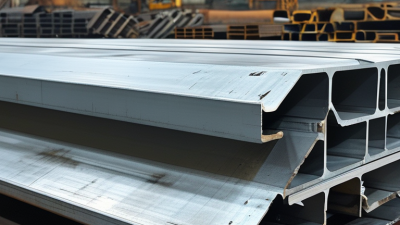
For instance, if your project requires high resistance to bending, look at aluminum I-beams. They distribute loads efficiently and provide superior strength. However, using an inappropriate section can lead to structural failure. Therefore, it’s vital to analyze the specific requirements of your design first.
Weight is another factor to consider. Aluminum is lightweight, but this also means it can be less stable in certain settings. If your project involves heavy loads or requires stability over long spans, you may need to rethink your selection. Rigid sections may seem like an obvious choice, but they can also be over-engineered for lighter tasks. It's important to balance between strength and the intended use of the section. Reflect on what you need versus what you choose. This awareness will lead to better decision-making.
Aluminum Sections Strength Comparison
This chart displays the yield strength of different aluminum section types, which is a critical factor in selecting the appropriate aluminum for your project. Square, rectangular, and I-beam sections tend to provide higher yield strength, making them suitable for structural applications.
Common Aluminum Section Shapes and Their Uses
When selecting aluminum sections for your project, understanding their various shapes and uses is essential. Common options include square tubes, rectangular tubes, and L-shaped angles. Square tubes offer strength and balance, making them ideal for frames. Rectangular tubes are often used in structures that require superior load-bearing capabilities. L-shaped angles are perfect for supports and brackets.
Tips: Always consider the weight and load requirements of your project. If you are unsure, consult an expert. Knowing the properties of each aluminum shape can help you make informed decisions.
China Aluminum Sections provide an excellent variety of options tailored for diverse applications. For intricate designs, thin-walled sections may seem appealing, yet they could compromise overall strength. Reflecting on the intended use and potential stresses is crucial. Balancing aesthetics with durability is not always straightforward. Always assess your specific needs before finalizing your choice.
Factors to Consider When Selecting Aluminum Sections
When selecting aluminum sections, consider strength and durability. Structural integrity is crucial for projects like bridges or buildings. According to a 2022 industry report, 6061 aluminum is among the top choices due to its excellent mechanical properties. It's workable and resistant to corrosion. However, it may not be the best in all situations.
Another essential factor is weight. Lighter sections often reduce transportation costs and ease handling. The same industry report indicates that 6082 alloy offers a good balance of weight and strength. It's vital to match the aluminum section to the project's specific needs. Not all projects require the same characteristics, leading to potential missteps.
You must also reflect on cost-effectiveness. It can be tempting to go for the cheapest option, but this could impact long-term performance. A well-chosen aluminum section may have a higher upfront cost but prove more reliable over time. Consider lifecycle expenses when planning your project. Balancing these aspects takes thought and research, ensuring you choose the best material for your needs.
Sustainable Practices in Aluminum Section Manufacturing
Sustainable practices in aluminum section manufacturing have become essential as industries seek eco-friendly solutions. According to a recent industry report, nearly 75% of all aluminum produced is still in use today. This statistic showcases aluminum's longevity and the importance of recycling. The life cycle of aluminum products, including Custom Aluminum Sections, reflects their minimal environmental impact when sourced responsibly.
Recycling aluminum saves up to 95% of the energy needed for new production. Many manufacturers are now using post-consumer scrap, which reduces waste and energy consumption. However, not all producers practice this. Transparency is vital. Consumers must demand to know how their materials are sourced and processed. This accountability can drive more companies to adopt better practices.
Emerging technologies in manufacturing can reduce emissions while increasing efficiency. However, many organizations still use outdated methods that result in higher carbon footprints. This presents a challenge for the industry. As we incorporate more sustainable practices, we must continuously evaluate our processes. Sustainable manufacturing requires innovation but also a commitment to change. The future of Custom Aluminum Sections relies on this evolution.
Future Trends in Aluminum Section Design and Usage
In recent years, aluminum section design has evolved significantly. New manufacturing techniques enhance strength while reducing weight. For instance, industry reports indicate that aluminum can reduce structural weight by up to 30% compared to traditional materials. This shift allows architects and engineers greater flexibility in design.
Sustainability trends are also gaining momentum. According to various studies, the recycling rate of aluminum is over 75%. This makes it a prime candidate for eco-friendly projects. Designers are increasingly focusing on ways to minimize waste during production. Adopting such practices not only benefits the environment but also reduces costs.
However, challenges remain. The price volatility of aluminum can complicate project budgeting. Additionally, ensuring consistency in quality across suppliers has been a point of concern. It’s crucial to compare options through Aluminum Sections Quotes to make informed decisions. Balancing innovation with practical considerations will be key to advancing aluminum section usage in the coming years.
FAQS
: Aluminum sections are versatile and used in various industries for framing, structural support, and more.
Select alloys based on strength and corrosion resistance. Different environments may require different materials.
Yes, finishes like anodizing improve durability and lifespan. Accurate measurements also prevent assembly issues.
Check local suppliers for availability. Custom sections offer options but may have longer lead times.
Lighter sections reduce transport costs and are easier to handle. Balance weight with project needs for best results.
Cheaper options may seem attractive but could affect performance long-term. Consider lifecycle costs instead.
New manufacturing techniques enhance strength and reduce weight, allowing for greater design flexibility.
With a high recycling rate, aluminum supports eco-friendly projects while minimizing production waste.
Price volatility can impact budgets, making it essential to plan and compare supplier options carefully.
Variability in quality may affect project outcomes. Comparing options helps ensure reliable selections.
Conclusion
Aluminum sections play a crucial role in various construction and manufacturing applications, thanks to their lightweight and durable characteristics. Understanding the different types of aluminum alloys and their properties is essential for selecting the right aluminum section tailored to specific structural needs. This entails recognizing common shapes such as beams, angles, and channels, each designed for particular purposes.
When choosing aluminum sections, it is vital to consider several factors, including load requirements, environmental conditions, and sustainability practices in manufacturing processes. As the industry moves towards more eco-friendly production methods, future trends in aluminum section design are likely to emphasize efficiency and recyclability, further enhancing their appeal in modern engineering projects. Overall, making informed decisions about aluminum sections can significantly impact the success and sustainability of future projects.