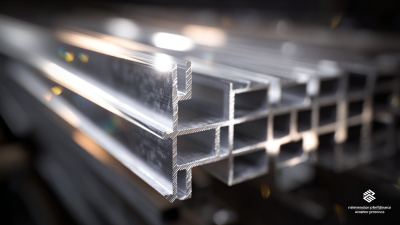
Aluminum Profile Extrusion is such a key part of modern manufacturing as we know it. I remember Richard Reynolds from Extrusion Tech once putting it pretty simply: he said, "This process turns raw aluminum into all kinds of versatile shapes that actually find their way into countless applications." Honestly, what makes aluminum extrusion so important isn’t just how efficient it is, but also how it allows us to create complex shapes that really meet the different needs across industries.
A lot of industries depend on aluminum profiles because they’re super lightweight yet tough enough for the job. Builders and construction folks, for example, often rely on Extruded Aluminum for structural parts. That said, not every single extrusion hits the mark in terms of quality, which can lead to wasted materials and higher costs—bummer, right? That’s why sticking to best practices in the industry is so crucial if you want consistent, reliable results.
And here’s the thing—aluminum profile extrusion isn’t standing still. It’s always evolving, with new innovations pushing the technology and techniques forward. But, of course, some challenges still linger. Companies really need to take a step back and review their extrusion processes from time to time. Doing so can boost the quality and durability of their products, especially in a competitive market like Extrusion Industrial Aluminum Extrusion Profile. A little self-reflection can go a long way in preventing failures and making sure we’re set up for a sustainable future.
What is Aluminum Profile Extrusion?
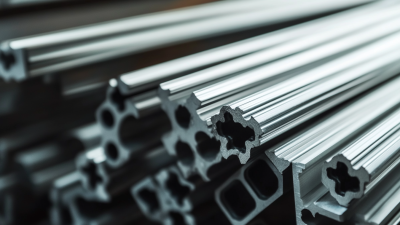
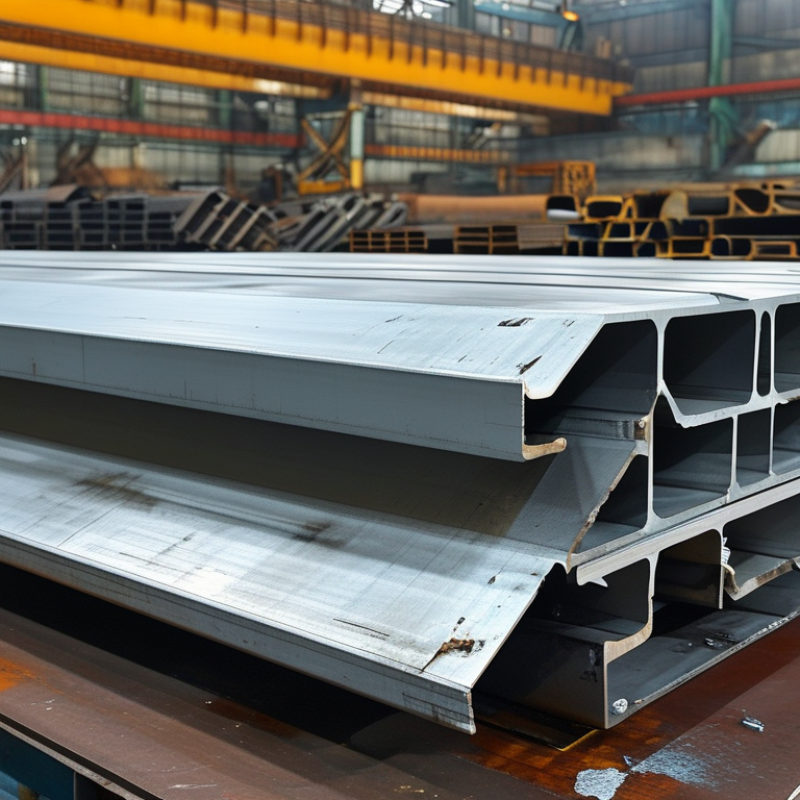
Aluminum profile extrusion is a manufacturing process that shapes aluminum into specific cross-sectional profiles. This method involves heating aluminum and forcing it through a die to create long, continuous shapes. These profiles can be used in various industries, including construction, automotive, and electronics.
The benefits of aluminum profile extrusion are numerous. This process allows for precision in design and flexibility in applications. It can create complex shapes that traditional methods struggle with. Extruded aluminum is lightweight and resistant to corrosion, making it suitable for many environments. Additionally, it can be easily recycled, which contributes to sustainability.
Tips: When designing with extrusion, consider the wall thickness. Thinner walls may save weight but could reduce strength. Also, think about post-processing. Adding finishes can enhance the aesthetic appeal and durability of the profiles.
While there are many advantages, it's essential to reflect on the limitations. The cost of high-quality dies can be significant. Extrusion also has limits on the shapes and sizes it can achieve. Understanding these challenges can lead to better project planning and execution.
The Process of Aluminum Profile Extrusion Explained
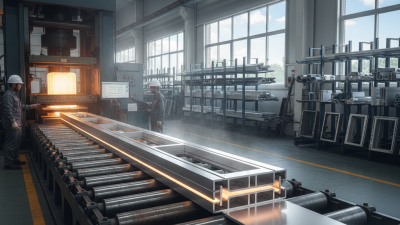
Aluminum profile extrusion is a manufacturing process that shapes aluminum into specific cross-sectional profiles. This technique involves pushing heated aluminum billets through a die, creating long strips of the desired profile. The process is highly efficient. According to the Aluminum Association, the U.S. aluminum extrusion market was valued at approximately $3 billion in 2021, showcasing its industrial significance.
The steps in the aluminum extrusion process are crucial for achieving high-quality profiles. First, the aluminum is heated to a precise temperature, typically between 800°F to 1,150°F. Maintaining the correct temperature ensures that the material can be easily deformed. During extrusion, the aluminum is pushed through a die, and the flow must be carefully controlled to avoid imperfections. A report by the Global Aluminum Extrusion Market indicated that around 80% of extruded profiles are used in construction and automotive applications.
It is essential to consider quality control throughout the process. Defects, such as surface blemishes or dimensional inaccuracies, can arise if parameters are not strictly followed. The demand for Aluminum Extrusion Profiles and Custom Aluminum Profiles continues to grow, pushing manufacturers to refine their techniques. By addressing potential weaknesses in the extrusion process, companies can enhance the reliability of their products. This drives innovation and efficiency in the industry, emphasizing the importance of maintaining high standards in aluminum profile extrusion.
Key Applications of Aluminum Profile Extrusion in Various Industries
Aluminum Profile Extrusion plays a significant role across various industries. In construction, it serves as framework materials for doors, windows, and façades. This process allows for lightweight yet strong structures that enhance energy efficiency.
In the automotive sector, Aluminum Profile Extrusion is used for making lightweight components. These reduce vehicle weight, improving fuel efficiency and performance.
Electronics also benefit from this method. Manufacturers utilize aluminum profiles for housing and support structures. The thermal conductivity of aluminum helps in dissipating heat, enhancing device longevity.
In furniture design, sleek aluminum profiles are increasingly popular. They provide a modern aesthetic while remaining functional and durable.
Tips: When choosing Aluminum Profile Extrusion, consider the precise dimensions needed for your application. Make sure to also evaluate the finish options that suit your design and performance requirements. Regularly reviewing and refining your requirements can lead to better outcomes. Small adjustments can lead to significant improvements in efficiency and aesthetics.
Advantages of Using Aluminum Profiles in Manufacturing
Aluminum profiles are becoming essential in manufacturing. They offer a range of advantages that enhance production efficiency. Lightweight yet strong, they are perfect for various applications. Frame extrusion aluminum profiles provide structural integrity while minimizing weight. This balance is crucial in industries needing robust yet light components.
The versatility of aluminum means it can be molded into complex shapes. This adaptability allows for creative designs and customized solutions. Companies can streamline their supply chains by using standardized profiles. However, this approach may lead to over-reliance on specific designs, lacking innovation.
Recycling is another key advantage. Aluminum profiles can be remade repeatedly with little loss of quality. This sustainability aspect is vital in today’s eco-conscious world. Still, the challenge lies in ensuring that recycling processes are efficient and environmentally friendly. Continuous improvement in these areas is necessary to maximize benefits and reduce waste, fostering a more sustainable future in manufacturing.
Challenges and Considerations in Aluminum Profile Extrusion
Aluminum profile extrusion is a process known for creating complex shapes from aluminum. However, it presents several challenges and considerations that must be addressed for successful production.
One major challenge is ensuring proper design for extrusion. Extrusion dies must be engineered carefully to avoid defects. Inexperience can lead to issues like warping or inconsistent wall thickness. These problems may affect the final product’s quality and performance.
Tip: Consider collaborating with experienced engineers during the design phase. Their insights can save time and resources.
Another consideration is material selection. Different aluminum alloys have unique properties that impact the extrusion process. Making the wrong choice can lead to inadequate strength or corrosion resistance. Testing prototypes helps to identify suitable materials and techniques.
Tip: Perform thorough material testing before mass production. This approach reduces the risk of failure in later stages.
It's essential to remain adaptable and focused on continuous improvement in your extrusion methods. Staying updated with industry trends and innovations ensures a competitive edge.
Future Trends in Aluminum Profile Extrusion Technology
Aluminum profile extrusion technology is evolving rapidly. Recent advancements focus on improving efficiency and versatility. Manufacturers are exploring new alloys and methods. These developments aim to enhance product performance and sustainability.
One trend is the integration of automation in the extrusion process. Automated systems increase precision and reduce waste. Automation also allows for faster production rates. As a result, this trend addresses the growing demand for customized profiles. More companies are investing in smart technologies, like IoT, to monitor processes in real time.
Tips: When considering aluminum profile solutions, assess the specific needs of your project. Focus on the alloy’s properties and potential applications. Collaborating with experienced suppliers can offer invaluable insights. Second, keep an eye on sustainability practices. Using recycled aluminum can significantly reduce environmental impact. Remember, not every innovation will fit every project. Evaluate options carefully to ensure the best results.
Environmental Impact and Sustainability of Aluminum Profiles
Aluminum profiles play a significant role in sustainable manufacturing. The process of aluminum profile extrusion involves shaping aluminum into specific sections. This method is efficient and has a lower environmental impact compared to other materials. Extrusion minimizes waste and energy consumption through refined production techniques.
The use of aluminum extrusion profiles with anodize surfaces enhances durability. Anodizing creates a protective layer, which increases resistance to corrosion. This feature extends the lifespan of products, reducing the need for replacements. However, the energy required for anodizing raises concerns. The process can be significant, prompting reflections on how to improve its sustainability.
Recycling aluminum is another key aspect. Aluminum can be recycled without losing quality, aligning with circular economy principles. This helps to lower the carbon footprint, making it an eco-friendly option. Yet, the recycling process itself sometimes lacks efficiency. Addressing these challenges is critical for the future of aluminum production. As awareness of these issues grows, the industry must strive for continuous improvement.
Comprehensive Guide to L Shape Aluminum Extrusion Profiles and Custom CNC Machining Solutions in China
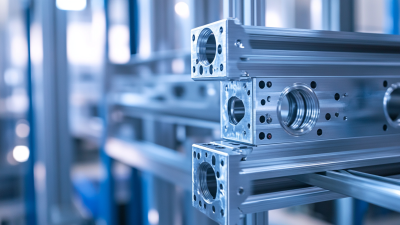
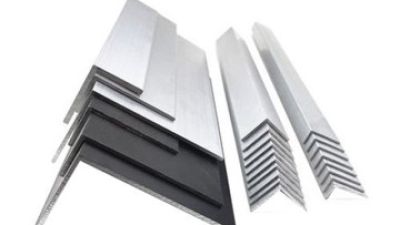
L-shaped aluminum extrusion profiles are essential components in various industries, leveraging their high-quality attributes and versatile applications. These profiles are designed to form a precise 90° angle and can be produced with either equal or varying leg lengths to suit diverse engineering needs. According to a recent industry report, the global aluminum extrusion market is projected to grow significantly, driven by increased demand from construction, automotive, and electronics sectors. In this context, tailored solutions such as custom L-shaped profiles are becoming increasingly vital for manufacturers seeking innovative and efficient designs.
In China, the capacity to produce custom L-shaped aluminum profiles is notable. Leading manufacturers utilize advanced CNC machining solutions to create profiles that meet specific customer requirements, whether it's for unique dimensions or intricate designs. The ability to cater to orders of various sizes, including small runs, enables businesses to implement bespoke solutions without compromising on quality. Reports indicate that firms implementing custom extrusions witness an improvement in overall product efficiency and performance due to the meticulous alignment of profiles with design specifications.
Furthermore, the versatility of L-shaped aluminum products extends their utility across sectors, including furniture design, structural support, and automotive applications. As the market continues to expand, the commitment to providing high-quality, custom-fabricated solutions remains pivotal for maintaining competitive advantage in the evolving landscape, meeting not just the standard needs but also the innovative demands of modern engineering projects.
FAQS
: It's a process that shapes aluminum into specific cross-sectional profiles by heating and forcing it through a die.
Benefits include design precision, flexibility, lightweight nature, and corrosion resistance. It is also recyclable.
Consider wall thickness and post-processing options to enhance strength, aesthetics, and durability. Reflect on the trade-offs.
It is used for framework materials in doors and windows, creating lightweight structures that improve energy efficiency.
Yes, it helps create lightweight components that reduce vehicle weight, enhancing fuel efficiency and overall performance.
Challenges include design accuracy, potential defects in the die, and material selection. Inexperience can lead to issues.
Different aluminum alloys affect strength and corrosion resistance. The wrong choice can lead to product failures.
Collaborate with experienced engineers and stay updated on industry trends. Continuous improvement is essential for efficiency.
Yes, thorough material testing helps identify suitable options and reduces the risk of failures later in the process.
Finishes can enhance both aesthetics and durability. Evaluating various options can lead to better design outcomes.
Conclusion
Aluminum Profile Extrusion is a manufacturing process that involves shaping aluminum alloys into desired profiles by forcing them through a die. This technique is crucial across various industries due to its versatility, allowing for the production of lightweight yet strong components used in construction, automotive, and electronics sectors. The process itself entails heating aluminum billets and then extruding them to create profiles, which can be further processed or finished to meet specific requirements.
In addition to its applications, Aluminum Profile Extrusion offers several advantages, including design flexibility, efficient material usage, and corrosion resistance. However, challenges such as ensuring precise tolerances and managing production costs need to be addressed. Looking ahead, advancements in extrusion technology, alongside a growing emphasis on sustainability and environmental impact, are shaping the future landscape of this essential manufacturing process. As industries continue to adopt aluminum profiles, the focus on sustainable practices and innovations in aluminum recycling will play a pivotal role in maximizing the benefits of Aluminum Profile Extrusion.