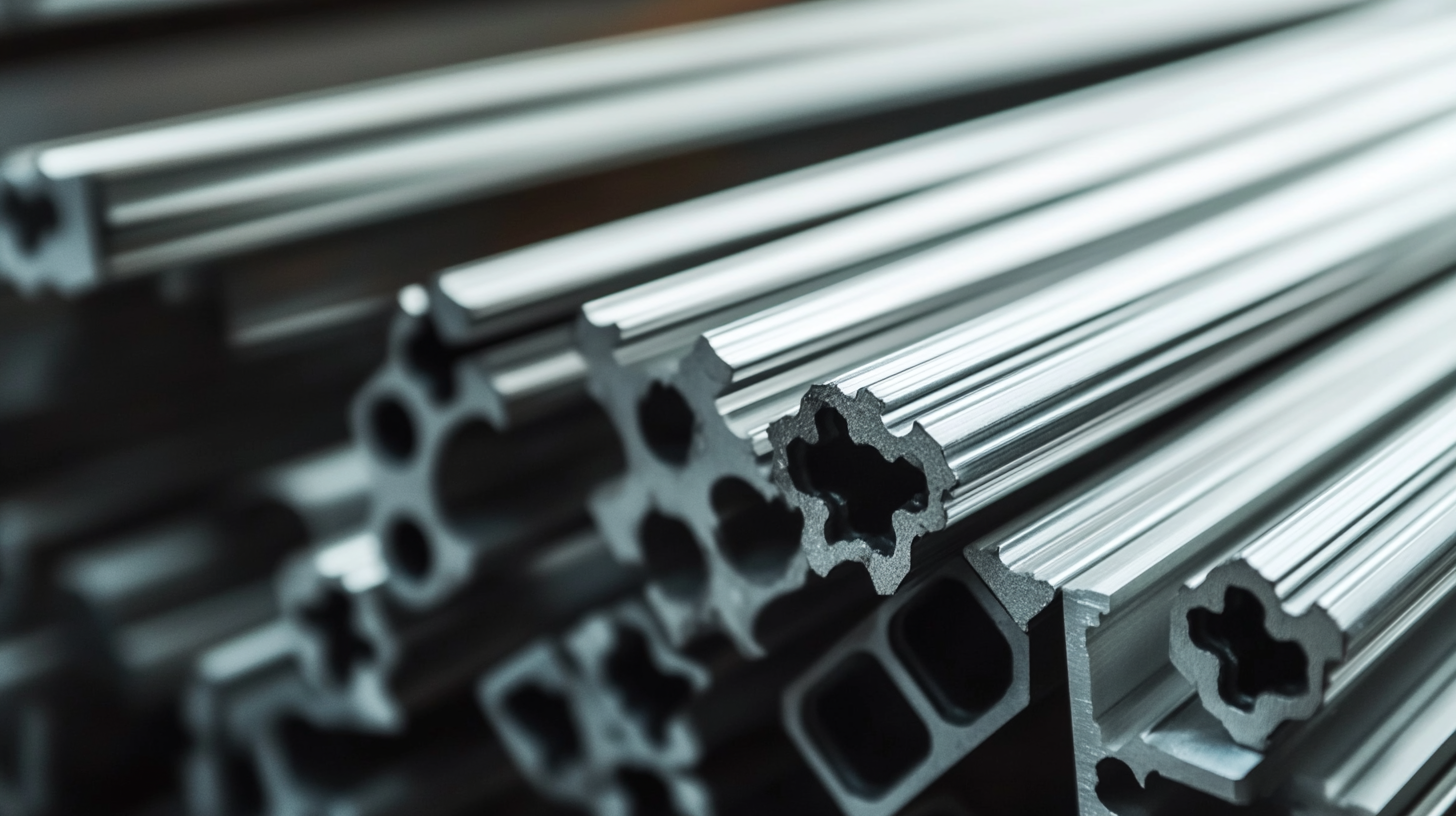
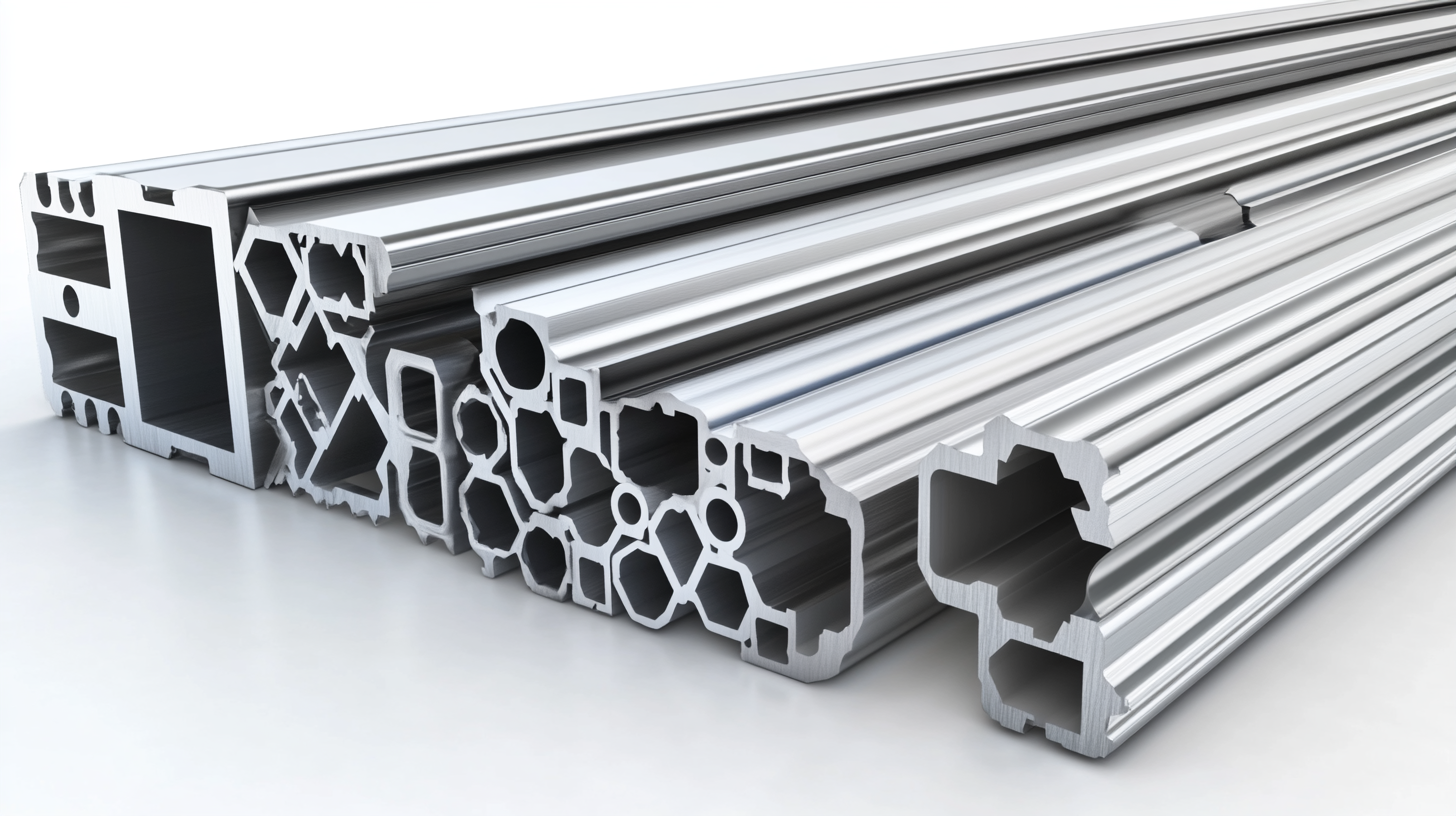
In the ever-evolving landscape of the aluminum industry, the selection of the right Aluminum Profile Extrusion has become increasingly crucial for achieving project success. According to recent industry reports, the global aluminum extrusion market is projected to grow at a significant rate, with an estimated reach of USD 60 billion by 2025. This growth is driven by the rising demand for lightweight, durable materials across various sectors including construction, automotive, and consumer goods. At Foshan City One AlU Aluminum Co., Ltd., with over 19 years of experience in the aluminum profile field, we specialize in a range of products such as door and window aluminum profiles, kitchen cabinet aluminum profiles, roller shutter aluminum profiles, and curtain walls. Our commitment to quality and innovation has enabled us to export to over 50 countries, positioning us as a trusted partner for your Aluminum Profile Extrusion needs.
Industry Trends Shaping Aluminum Profile Extrusion in 2025
As we look towards 2025, the aluminum profile extrusion industry is poised for significant transformations driven by technological advancements and sustainability initiatives. One of the key trends is the increasing integration of smart manufacturing technologiesinto the Extrusion Process. Automation and artificial intelligence are enhancing efficiency, improving precision, and reducing waste, thereby allowing manufacturers to produce higher quality profiles at a lower cost. This trend not only supports better resource management but also facilitates the production of custom profiles that cater specifically to client needs.
Moreover, sustainability is becoming a central focus within the industry. As environmental concerns escalate, aluminum extruders are adopting more eco-friendly practices, including the use of recycled aluminum and energy-efficient manufacturing processes. This shift not only helps companies align with global sustainability goals but also appeals to environmentally conscious consumers and businesses. By 2025, the demand for sustainable aluminum solutions is expected to grow, prompting industry players to innovate and adopt practices that minimize their carbon footprints while maintaining product integrity and performance.
Key Factors Impacting Material Selection for Aluminum Profiles
When selecting aluminum profiles for projects, various key factors significantly impact the material choice. One of the primary considerations is the alloy composition, which determines not only the strength but also the corrosion resistance of the profile. For instance, according to the Aluminum Association, the 6000 series alloys, which include magnesium and silicon, are noted for their good workability and average corrosion resistance, making them a popular choice in architectural applications. Their tensile strength can range from 180 to 310 MPa, providing a robust option for structural elements.
Another critical aspect is the extrusion method, which can affect the profile's performance. A report by the International Aluminum Institute highlights that the direct extrusion process often results in enhanced material properties, providing better surface finish and dimensional accuracy. This is particularly important for applications where tight tolerances are required, such as in automotive and aerospace industries.
Additionally, considerations around environmental impact, such as recyclability and energy consumption during production, have become increasingly relevant, leading to a more sustainable approach in selecting the appropriate aluminum profiles for various applications.
Understanding the Role of Sustainability in Aluminum Extrusion Industry
In the aluminum extrusion industry, sustainability has become a pivotal consideration amid growing environmental concerns. The move toward eco-efficient practices is crucial, especially as industries face mounting pressure to decarbonize. Recent reports indicate that decarbonizing aluminum production could significantly lower greenhouse gas emissions, aligning with global emissions targets. Implementing multi-life cycle recycling strategies not only promotes environmental stewardship but also enhances resource efficiency, ensuring that the aluminum used in extrusion maintains its integrity through several cycles of reuse.
Furthermore, the role of circularity in the built environment cannot be overstated. Sustainable construction practices that emphasize the recycling of aluminum profiles contribute to reduced waste and emissions. Data suggests that by adopting a circular economy model, the construction industry can significantly diminish its ecological footprint while simultaneously creating value.
Through sustainable waste management techniques, the aluminum extrusion sector can lead by example, showcasing how responsible production and consumption can foster innovation and resilience in an increasingly environmentally conscious market.
Technological Advancements Revolutionizing Aluminum Profile Manufacturing
The aluminum profile extrusion industry is witnessing unprecedented technological advancements that are transforming manufacturing processes. These innovations not only enhance product quality but also streamline production efficiency. Automation and smart manufacturing technologies are now integral to extrusion, allowing for real-time monitoring and adjustments. This results in minimized waste and improved precision in profile dimensions, essential for meeting the demands of various projects.
When considering aluminum profiles, it’s crucial to stay informed about these advancements. **Tip:** Look for suppliers who utilize state-of-the-art machinery and techniques, as this often reflects the quality and durability of the end product. Additionally, understand how extrusion methods may affect the mechanical properties of aluminum, ensuring your selection meets the specific demands of your project.
Another exciting development is the introduction of advanced alloy compositions. These new materials can significantly enhance strength and corrosion resistance, broadening the applications of aluminum profiles in construction, automotive, and aerospace industries. **Tip:** Always request detailed specifications and test data to ensure the alloy meets your project's requirements. With the right information and resources, choosing the best aluminum profile extrusion can significantly elevate your project’s success.
Ultimate Checklist for Choosing the Best Aluminum Profile Extrusion for Your Projects
| Dimension | Measurement | Material Grade | Surface Treatment | Applications |
| Width | 20mm - 150mm | 6063 | Anodized | Architectural Frames |
| Height | 10mm - 200mm | 6060 | Powder Coated | Industrial Applications |
| Thickness | 1mm - 5mm | 6005 | Mill Finish | Machinery Parts |
| Weight | 0.5 kg - 20 kg | 6061 | Brushed | Automotive Components |
| Length | 3m - 6m | 7005 | Electrostatic Coating | Construction Framework |
Market Forecasts: Growth Projections for Aluminum Extrusion in 2025
The aluminum extrusion market is poised for significant growth, with projections suggesting a compound annual growth rate (CAGR) of approximately 5.8% from 2020 to 2025. According to a recent report by MarketsandMarkets, the global aluminum extrusion market size is anticipated to reach USD 100 billion by 2025, driven by increasing demand from various industries including construction, automotive, and aerospace. The push for lightweight materials and sustainability is encouraging manufacturers to adopt aluminum profiles, which are known for their durability and recyclability.
Regionally, the Asia-Pacific region is expected to dominate the market, accounting for over 40% of the total share, primarily due to rapid industrialization and urbanization in countries like China and India. The automotive sector alone is projected to utilize aluminum extrusion significantly, with an expected increase in vehicle lightweighting initiatives aimed at improving fuel efficiency and reducing emissions. Such trends indicate that companies within the aluminum extrusion industry must strategically assess their capabilities and offerings to capitalize on this projected growth as we approach 2025.
Evaluating Cost-Effectiveness in Custom Aluminum Profile Projects
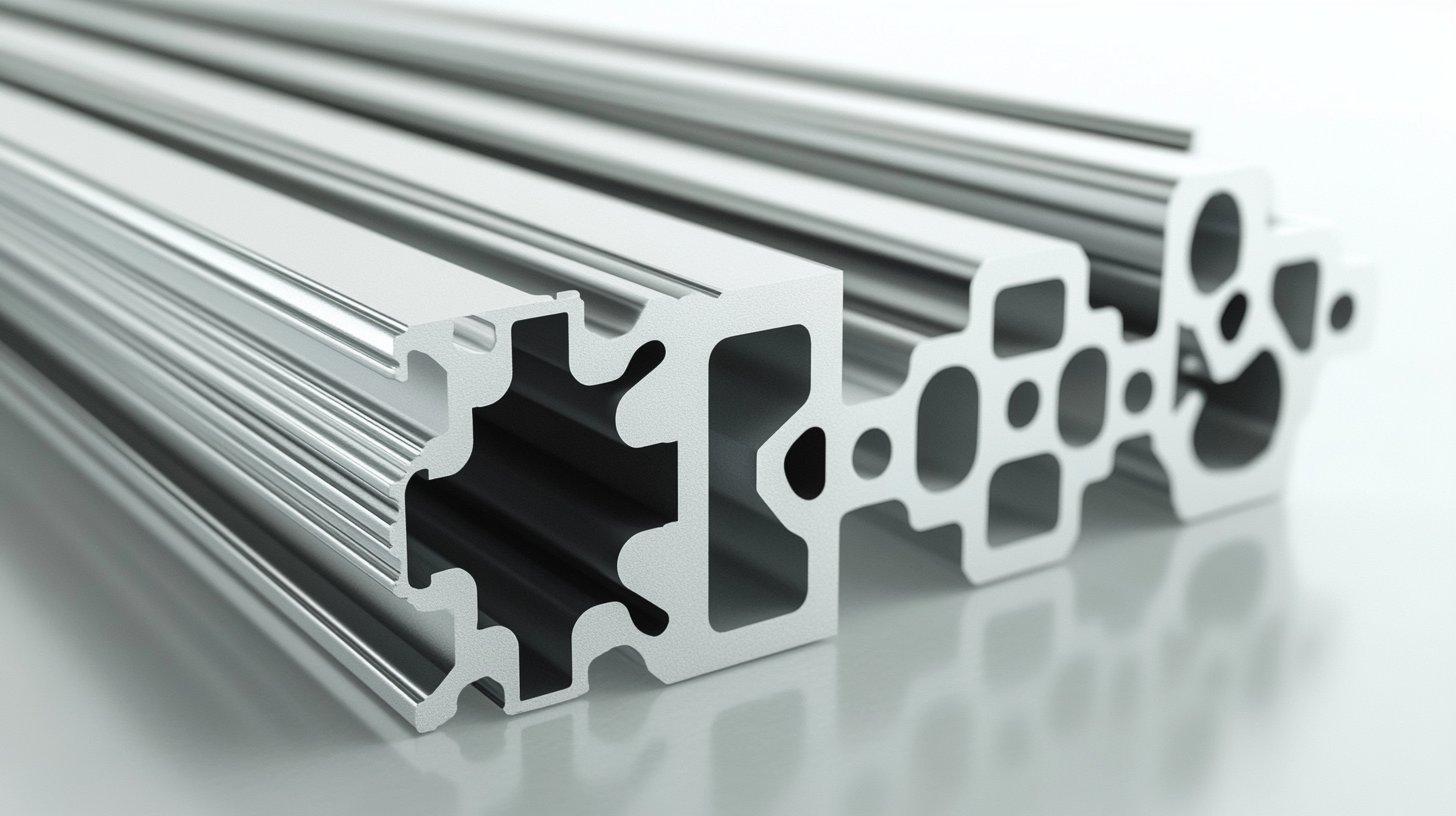
When venturing into custom aluminum profile projects, one of the foremost considerations is cost-effectiveness. Evaluating this aspect requires a comprehensive understanding of both material costs and the long-term value they bring. It's essential to consider not only the initial price of the aluminum extrusion itself but also the potential savings in durability, maintenance, and production efficiency. By selecting high-quality profiles, you can minimize the risk of failure or the need for replacements, leading to more significant savings over time.
Another critical element in assessing cost-effectiveness is the design flexibility that custom aluminum profiles offer. Tailoring the extrusion to meet specific project requirements can significantly reduce waste and streamline manufacturing processes. Engaging with experienced suppliers who can assist with design optimization ensures that you achieve the best possible outcome within your budget. By focusing on both material quality and design efficiency, you can maximize performance and cost savings, making the journey of custom aluminum extrusion a worthwhile investment.
Exploring the Benefits of Dominican Powder Coated Aluminum Profiles for Doors and Windows: Insights from Industry Reports
When it comes to selecting materials for doors and windows, the advantages of using powder-coated aluminum profiles are becoming increasingly evident. In the Dominican market, the shift toward these materials is largely driven by their durability and aesthetic appeal. Industry reports highlight that powder-coated aluminum not only increases resistance to corrosion and weathering but also allows for a wide variety of colors and finishes, enhancing the overall design of residential and commercial properties alike.
One Aluminium, founded in 2005, stands out as a leading player in the aluminum profile sector in China, dedicated to providing high-quality products to the Dominican market. Their extensive range of traditional aluminum series, such as P65, P40, and P92, offer tailored solutions that cater to diverse architectural needs. The use of these profiles not only improves the longevity of structures but also contributes to energy efficiency, further underscoring their growing popularity among builders and homeowners in the region. With a focus on reliability and innovation, One Aluminium continues to support the evolving preferences of the Dominican construction industry.
FAQS
: Sustainability is crucial in the aluminum extrusion industry due to growing environmental concerns and the need to decarbonize production processes, which can significantly lower greenhouse gas emissions.
Multi-life cycle recycling promotes environmental stewardship, enhances resource efficiency, and ensures the integrity of aluminum through multiple reuse cycles, making it more sustainable.
Circularity in sustainable construction emphasizes the recycling of aluminum profiles, which helps reduce waste and emissions while creating value in the process, contributing to a reduced ecological footprint.
Cost-effectiveness should take into account material costs, long-term value, savings from durability and maintenance, and production efficiency, alongside the initial price of aluminum extrusions.
Selecting high-quality aluminum profiles minimizes the risk of failure and the need for replacements, resulting in significant savings over time due to reduced maintenance and repurchase costs.
Design flexibility allows for tailoring extrusions to specific project requirements, which can significantly reduce waste and streamline manufacturing processes, improving overall efficiency.
Working with experienced suppliers ensures design optimization and helps achieve the best outcomes within budget, increasing both performance and cost savings.
Sustainable waste management techniques enable the aluminum extrusion sector to lead by example in responsible production and consumption, fostering innovation and resilience in an environmentally conscious market.
By adopting a circular economy model, the construction industry can significantly reduce its ecological footprint while simultaneously creating economic value.
The aluminum extrusion industry can contribute to global emissions targets by implementing eco-efficient practices and reducing greenhouse gas emissions through sustainable production processes.