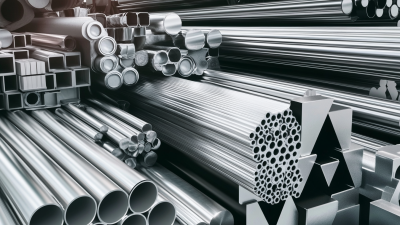
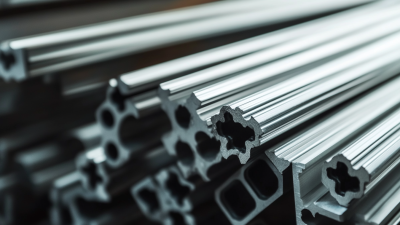
You know, the world of architecture and design is super competitive these days. It's all about finding ways to really boost performance, and that’s where Extruded Aluminum profiles come into play.  At Foshan City One AlU Aluminum Co., Ltd., we’ve been in the aluminum profile game for over 19 years, which means we know a thing or two about delivering top-notch products. Whether you need door and window profiles, kitchen cabinet frames, roller shutters, or curtain walls, we’ve got you covered. Our passion for quality and innovation has helped us ship our amazing extruded aluminum profiles to more than 50 countries around the globe. In this blog, we’re going to dive into some top strategies for using these versatile profiles to amp up the performance of your projects. Trust me, you’ll want to stay ahead in this ever-changing market!
Strategies for Selecting the Right Extruded Aluminum Profiles for Your Application Needs
Choosing the right extruded aluminum profiles for your project isn’t just about picking a random option; it really helps to know what factors will affect your decision. Recent studies in the industry suggest that the demand for these profiles is on the rise — and it’s easy to see why! They're lightweight yet super strong, which makes them perfect for lots of applications. Take the automotive industry, for example. These days, there’s a big shift toward using advanced lightweight materials to boost fuel efficiency and overall vehicle performance, and aluminum is definitely leading the charge.
Now, one of the key things to keep in mind is the specific dimensions and tolerances you need. You really want to make sure that the profiles you choose meet those precise specs because even tiny differences can throw a wrench in how well things work. Oh, and let’s not forget about surface treatments! Techniques like anodizing or powder coating can make a real difference in corrosion resistance, which means the profiles can stand up to harsher conditions. Some research even shows that industries using these treatments have seen durability improvements of up to 50%. That's pretty impressive, right? It really extends the lifespan of the materials.
And then there’s the aspect of thermal and electrical conductivity, which is super important for applications, especially in the electronics and thermal management fields. A report from industry pros points out that profiles designed for optimal conductivity can really ramp up the performance of energy-efficient systems. So, by keeping these selection tips in mind, businesses can truly make the most of extruded aluminum profiles in their projects. It’s all about getting the best bang for your buck!
The Role of Advanced Manufacturing Techniques in Enhancing Extruded Aluminum Performance
You know, advanced manufacturing techniques are super important for making extruded aluminum profiles really shine. I mean, with stuff like precision machining, thermal treatment, and surface finishing, manufacturers are able to create profiles that absolutely not only meet but actually surpass industry standards. These methods help achieve tighter tolerances and better mechanical properties, which is why extruded aluminum has become the go-to option for a wide range of applications, from structural bits to those decorative touches that really stand out.
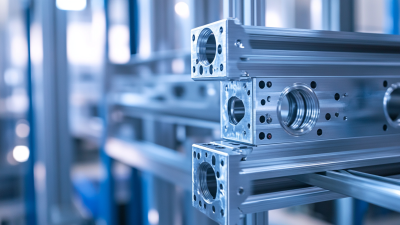
If you're looking to get the most out of your extruded aluminum, it’s all about picking the right alloy that fits your specific needs. Different alloys bring different strengths to the table - like corrosion resistance and formability, which can really make a difference. Also, don't forget about design! Tweaking the geometry of your extrusions can drastically improve strength-to-weight ratios and keep those material costs down. Using advanced methods like CNC machining and anodizing can take the performance of your profiles to the next level, boosting both durability and good looks.
Oh, and here’s a little tip: don’t overlook what happens after extrusion. Techniques like heat treating can really ramp up the mechanical properties of aluminum profiles, especially in tough situations. It’s always a good idea to chat with experts who can guide you through the best practices for your specific needs to make sure your extruded aluminum solutions really work well for you.
Maximizing Performance with Extruded Aluminum Profiles
Analyzing Market Demand Trends in Extruded Aluminum: Data Insights for 2025
You know, the extruded aluminum market is really gearing up for some serious growth as we head toward 2025. There’s a lot driving that momentum—think industry demands and some pretty cool tech advancements. Estimates suggest that by 2025, the aluminum extrusions market could hit around $44.7 million. Not too shabby, right? And it’s set to grow at a rate of about 4.4% per year until 2033. So, why the buzz? Well, sectors like automotive, construction, and electronics are really craving aluminum profiles, which are super important in the way things are made nowadays.
Tip 1: If manufacturers want to ride this wave, focusing on creating lightweight and tough extruded aluminum profiles is key. We’re seeing some neat progress in material science that can really boost performance when it comes to strength and thermal efficiency—stuff that consumers are totally into.
Tip 2: Now, let’s not forget about local market flavors. Knowing what different regions need can really make a difference. Businesses that tailor their strategies to fit specific industries can find themselves ahead of the game. Plus, making use of data insights not only helps shape what they create but also fine-tunes their marketing moves.
All in all, as we dive into the nitty-gritty of market trends, it’s super clear that throwing some money into advanced tech and tweaking products to match what people actually want is the way to go for success in the extruded aluminum world.
Maximizing Contribution of Extruded Aluminum Profiles to Sustainable Construction Practices
You know, extruded aluminum profiles are becoming pretty essential in sustainable construction these days. They’re super versatile and come with a bunch of environmental perks. For one, they’re really lightweight, which cuts down on energy use during transportation and installation—talk about a lower carbon footprint! Plus, this material is super durable, so it means buildings need less maintenance in the long run, which is a win because it helps avoid those resource-heavy repairs or replacements.
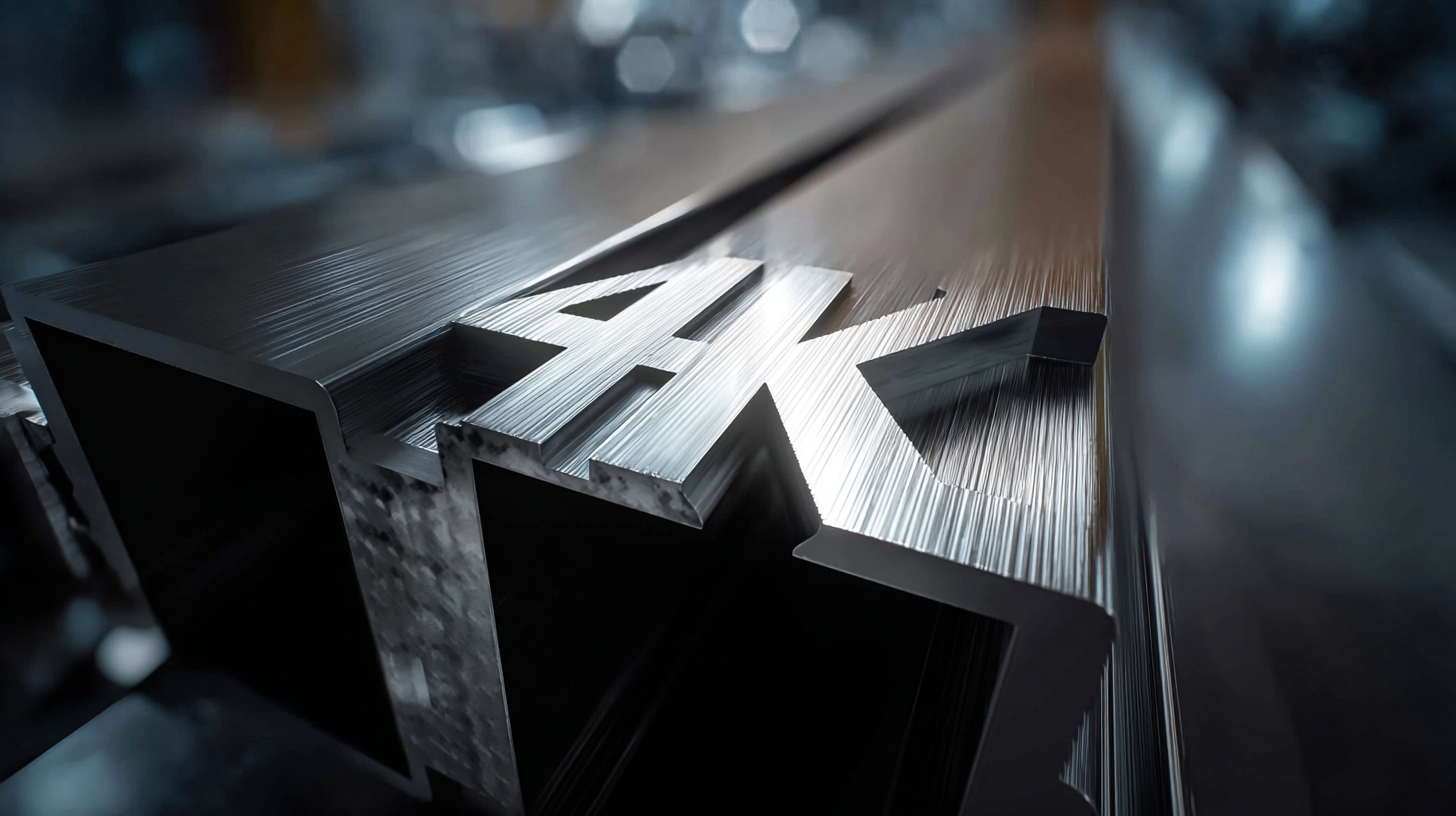
And here’s the cool part: extruded aluminum profiles can be tailored for all sorts of applications, like framing windows and doors or crafting complex façade systems. This kind of flexibility lets architects and builders really optimize their designs for energy efficiency. They can work in things like thermal breaks and insulation right into the profiles. By incorporating these features into modern builds, the construction industry can really harness aluminum's unique qualities to hit those sustainability targets—like cutting down on energy use and extending the life cycle of building materials. Pretty awesome, right?
Innovative Design Approaches for Optimizing Extruded Aluminum Profiles in Various Industries
You know, in a bunch of different industries, how extruded aluminum profiles are designed really makes a huge difference when it comes to boosting performance and keeping things efficient. It’s pretty cool how fresh design ideas can not only amp up the functionality but also add a nice aesthetic touch to these profiles. One good strategy out there is using modular designs, which allows for a lot of flexibility when putting things together and makes it easy to adapt to various applications. This approach not only streamlines the manufacturing side of things but also cuts down on waste, which is great for keeping costs down for businesses.
And let’s not forget about the smart integration of features into these profiles! Like, think about adding channels for wiring or specialized grooves that fit unique fastening systems—makes installation and maintenance a breeze and can really speed up project timelines. Plus, customizing profiles to meet the specific needs of different industries can boost load-bearing capacities while keeping material costs low. So, it’s about creating a more sustainable and efficient product in the end. By tapping into these innovative design strategies, businesses can really unlock the full potential of extruded aluminum profiles, leading to better performance and, you guessed it, more profits!
Top Strategies for Maximizing Performance with Best Extruded Aluminum Profiles
| Industry | Design Approach | Application | Performance Metric | Optimization Strategy |
| Automotive | Weight Reduction | Chassis Components | Fuel Efficiency | Advanced Alloys |
| Aerospace | Aerodynamic Shapes | Wing Structures | Load Bearing Capacity | Finite Element Analysis |
| Construction | Modular Design | Building Facades | Energy Efficiency | Thermal Breaks |
| Electronics | Thermal Management | Heat Sinks | Cooling Efficiency | Surface Treatments |
| Furniture | Sustainable Design | Modular Furniture | Durability | Recycling Aluminum |
Enhancing Your Home with Customizable Ethiopian Aluminum Profiles: A Guide to Style and Functionality
When it comes to enhancing your home, the right windows and doors can make a significant difference. Customizable Ethiopian aluminum profiles offer an elegant solution that beautifully combines style with functionality. With popular finishes like polished anodized silver and a range of powder coating colors, these profiles can complement various architectural designs while providing durability and resilience.
One of the standout features of these aluminum profiles is their versatility in thickness, available from 0.9mm to 1.5mm. This allows for tailored solutions that meet different needs and preferences, ensuring that your windows and doors are not only aesthetically pleasing but also structurally sound. Whether you envision sleek sliding windows or robust doors, these profiles are precisely engineered for the highest quality fabrication.
Moreover, the option for customized designs means that you can create models that reflect your unique style and requirements. By collaborating with manufacturers who embrace innovative ideas, you can bring your vision to life, achieving a seamless integration of functionality and design in your living space. Embrace the possibilities with customizable Ethiopian aluminum profiles and transform your home into a personal haven.
FAQS
: Advanced manufacturing techniques such as precision machining, thermal treatment, and surface finishing enhance the performance of extruded aluminum profiles by allowing for tighter tolerances and improved mechanical properties.
To maximize performance, choose the appropriate alloy based on your application needs, optimize the geometry of the extrusions for better strength-to-weight ratios, and employ techniques like CNC machining and anodizing for enhanced durability and aesthetics.
Post-extrusion processes like heat treating improve the mechanical properties of aluminum profiles, which enhances their performance in demanding conditions.
The aluminum extrusions market is projected to be valued at approximately $44.7 million by 2025, with a compound annual growth rate of 4.4% through 2033.
Key industries driving demand for extruded aluminum include automotive, construction, and electronics, reflecting the material's critical role in modern manufacturing processes.
Manufacturers can capitalize on market trends by developing lightweight and durable extruded aluminum profiles, and understanding regional market demands to tailor strategies for specific industry needs.
Extruded aluminum profiles reduce energy consumption during transportation and installation, contribute to lower carbon footprints, and require less maintenance over time, making them environmentally beneficial for sustainable construction.
Architects and builders can design extruded aluminum profiles to include thermal breaks and insulation features, optimizing them for energy efficiency in various applications such as windows and façade systems.