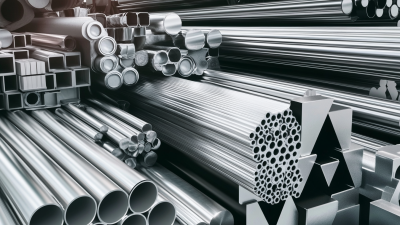
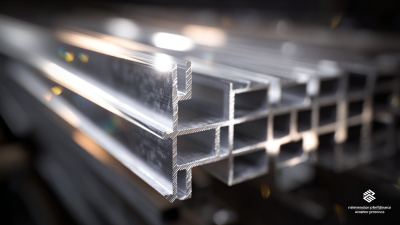
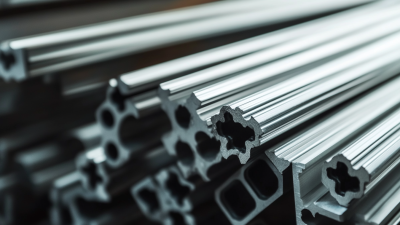
You know, in the lively realm of construction and design, picking the right materials can really make or break a project. Take Alu Profiles, for example. Companies like Foshan City One Alu Aluminum Co., Ltd. have been in the game for over 19 years, and they know their stuff when it comes to aluminum profiles. These materials are essential for nailing both the look and functionality of what you're building. They've got everything from aluminum profiles for doors and windows to ones for kitchen cabinets, roller shutters, and curtain walls. And let me tell you, this industry is really changing gears, leaning more towards innovation and sustainability these days. Recent reports even say that the global aluminum profile market is set to expand a lot, mainly because everyone’s on the hunt for energy-efficient and lightweight materials.
So, as designers and builders are looking for fresh alternatives to the usual Alu Profiles, it’s super important to dive into the different options out there that can really match up with modern design trends and construction requirements—basically making sure projects not only meet but absolutely blow expectations out of the water.
Advantages of After-Sales Service in Choosing Alu Profiles for Projects
When you're picking out aluminum profiles for your projects, it's super important to keep in mind how crucial after-sales service is. You know, there's this recent report from the Aluminum Association that reveals a pretty interesting fact: companies that really focus on solid after-sales support have a whopping 30% higher customer retention rate than those that don’t. This just shows that good after-sales service doesn’t just make your customers happier; it also helps keep everything running without a hitch and cuts down on any potential hiccups.
And there's more! After-sales service can genuinely give you an edge when it comes to making sure quality is top-notch and getting the technical support you need. A survey by Market Research Future found that about 65% of engineers actually prefer working with suppliers that offer comprehensive after-sales services since it really helps with troubleshooting and making the most of their applications. Access to expert advice and those warranty services can really help ease the worries about product defects or any failures, which is why it’s something project managers should really consider when choosing aluminum profiles.
In the end, after-sales service isn’t just about being there for your customers; it plays a huge role in how your projects pan out. Industry reports suggest that partnering up with suppliers who put a lot of emphasis on after-sales services can lead to better efficiency and a boost in project quality. So, if you make your choices wisely based on these after-sales capabilities, you’re likely to see greater success in your aluminum profile projects.
Exploring Unique Alternatives to Best Alu Profiles for Your Projects - Advantages of After-Sales Service in Choosing Alu Profiles for Projects
| Profile Type | Material Quality | Cost Efficiency | After-Sales Support | Customization Options |
| Standard Alu Profile | High-grade alloy | Cost-effective | Excellent | Limited |
| Architectural Series | Premium aluminum | Moderate | Comprehensive | Extensive |
| Heavy-Duty Profiles | Industrial-grade | High-cost | Good | Moderate |
| Lightweight Profiles | Low-density aluminum | Very Cost-effective | Satisfactory | Flexible |
| Custom Extrusions | Tailored quality | Variable | Exceptional | Highly Flexible |
Understanding Maintenance Costs: A Key Factor in Profile Selection
So, when you're picking out aluminum profiles for your projects, one of the first things you really need to think about is maintenance costs. Sure, those high-quality aluminum profiles might hit your wallet a bit harder at first, but trust me, looking at what you'll be spending down the road on maintenance can really help you make a better choice. I mean, those cheaper options might look appealing right away, but they can turn into a money pit later on with all the upkeep and repairs.
You see, aluminum profiles have a bit of a reputation for being tough and not needing much care, but that's not true for all of them. If you go for profiles that come with protective coatings or special alloys, you're actually reducing the chance of them getting rusty or worn out. And that just means you’ll spend less time and cash on maintenance, which helps keep your project on track and within budget. So, when project managers take the time to really compare both the initial purchase price and the ongoing maintenance costs, they can make smarter choices that keep everything running smoothly and saves them some bucks.
Comparative Analysis of Alu Profiles and Their Long-Term Serviceability
So, when we’re thinking about how aluminum profiles stack up against other options in the long run, it turns out aluminum really shines in quite a few ways. The folks over at the Aluminum Association point out that aluminum naturally resists corrosion, which is a big deal for its longevity in different environments. This makes it a solid pick for projects that are out in the open, you know? I mean, reports suggest that untreated aluminum can last up to 50 years in moderate conditions, and if it’s well-finished, it could last even longer! That could seriously cut down on maintenance costs over time, which is always a win.
Now, let’s take a look at some alternatives like PVC or wood composites. They might look good at first because they have those lower upfront costs, but they can’t really compete when it comes to durability. A study from MarketsandMarkets found that PVC profiles typically only last about 25 years, and they can really fade and lose their structural integrity when exposed to UV rays. Plus, wood composites need way more maintenance to keep them looking and working good, which just drives up the overall cost. So, for project managers who are all about sustainability and keeping costs in check, really understanding the differences in long-term serviceability like this can make a huge impact on what materials they choose.
How After-Sales Support Enhances Project Reliability with Alu Profiles
When it comes to marine construction and architecture, after-sales support is super important for keeping projects reliable, especially if you're working with aluminum profiles. With the superyacht industry really booming, more and more companies are realizing that investing in great after-sales service can really boost client trust and overall satisfaction. You know, builders who are behind the latest yacht launches that put a strong focus on their after-sales processes not only make sure their projects last but also build a loyal customer base that truly appreciates quality craftsmanship and ongoing help.
And here's something to think about: using alternative aluminum profiles that have better structural integrity and corrosion resistance can really up your project’s chances of success. Industry reports show that projects using advanced aluminum tech not only last longer but also run more efficiently. For example, when you use aluminum materials that meet those high maritime standards, you could actually cut maintenance costs by as much as 30% over the yacht's lifetime. Isn’t that cool?
Tip: When you're picking aluminum profiles for your marine projects, make sure to look for suppliers who offer good after-sales support. It really helps to have quick assistance when you need it. Tip: Don’t forget to choose sustainable aluminum options that are in line with environmental regulations—these can give you added durability without skimping on performance.
Exploring Cost-Effective Alternatives to Traditional Alu Profiles
You know, whenever we kick off a project that involves structural framing or just needs that nice aesthetic touch, aluminum profiles usually pop into our minds. They’re durable and pretty versatile, right? But let’s be real—traditional aluminum can really eat into your budget, which is a bummer. That’s why it’s worth it to explore some cost-effective alternatives that won’t let you down on quality while still hitting your design goals.
One solid alternative you might want to check out is PVC profiles. They’re lightweight, resist corrosion like a champ, and don’t cost an arm and a leg compared to aluminum. PVC works wonders for things like window frames or indoor setups, especially where things aren’t going to get too extreme weather-wise. Plus, composite materials are becoming a crowd favorite because they pack a punch in strength and thermal efficiency, all while keeping your wallet happy. These composites mix synthetic stuff with wood fibers, giving you a chic look that can give aluminum a run for its money without the high price tag.
And let’s not forget about steel profiles! They’re super sturdy and a great fit for tougher applications. Sure, they might hit your wallet harder at the start compared to aluminum, but their durability can save you a ton on maintenance in the long run. So, by checking out these alternatives, you can keep your project within budget and still nail the high-quality results you’re after.
The Role of Warranty and Support in Reducing Overall Project Costs
So, when you're diving into a project that involves aluminum profiles, it’s super important to get a grasp on the warranty and support options out there. This stuff can really affect your overall costs, you know? A lot of project managers tend to overlook it, just focusing on that initial purchase price. But here’s the thing—a solid warranty can really give you peace of mind. It means that if there are any defects or issues down the line, you won’t have to shell out extra cash to fix them. Plus, a good warranty shows that the manufacturer truly believes in their product, which can save your project budget from some nasty surprises later on.
And let’s not forget about customer support. Having a strong support system in your corner is key to keeping project risks low. If you have access to knowledgeable support staff, they can help sort out issues quickly, which is huge for keeping your construction timelines on track. When problems pop up, reliable help can really be the game-changer that keeps everything running smoothly instead of turning into a costly mess. This support can also guide teams in making the right calls on using the product and how to install it, leading to a more efficient run of the whole project and saving some bucks in the process.
FAQS
: After-sales service is crucial as it enhances customer satisfaction, increases retention rates, and ensures smooth project execution, minimizing disruptions.
Companies offering robust after-sales support can experience a 30% higher customer retention rate compared to those without such services.
After-sales service offers significant advantages including technical support and access to expert advice, which can help troubleshoot issues and optimize applications.
A survey indicated that 65% of engineers prefer working with suppliers that offer comprehensive after-sales services.
Access to warranty services and expert advice can reduce risks associated with product defects or failures, making it essential for project managers to consider these aspects when selecting aluminum profiles.
Project managers should analyze both initial purchase prices and long-term maintenance costs to make informed decisions that optimize performance and financial resources.
Investing in aluminum profiles with protective coatings can reduce susceptibility to corrosion and wear, leading to lower maintenance costs over time.
While they may save money initially, cheaper alternatives often lead to higher costs later due to increased maintenance and repairs required.
It is a critical component that can influence project outcomes, leading to improved efficiency and enhanced project quality.
Selecting suppliers that prioritize after-sales services can enhance project quality and efficiency, resulting in greater success for aluminum profile projects.