Deciding on the best Aluminum Profilingfor your projects these days can honestly feel a bit overwhelming. The market’s growing so fast — the Global Aluminum Association reports about a 5% jump each year — which really highlights how important it is to make smart choices when it comes to materials.
I was talking to David Smith, who’s pretty much a go-to guy when it comes to Aluminum Profiling. He mentioned, “The right material choice can really boost your productivity and efficiency,” which totally makes sense. We’re seeing more companies like Alcoa and Norsk Hydro constantly pushing the envelope with new innovations to meet all sorts of industry needs. It’s clear that having tailored aluminum solutions is a big deal.
Figuring out your options means understanding what your project needs. Each job is unique and throws up its own set of challenges. Think about things like durability, weight, and how much it costs — these are the key factors. Taking a step back and really evaluating what will work best can make a huge difference. With so many choices out there in Aluminum Profiling, it’s worth doing your homework to find the perfect fit for your goals.
Understanding Aluminum Profiling and Its Applications
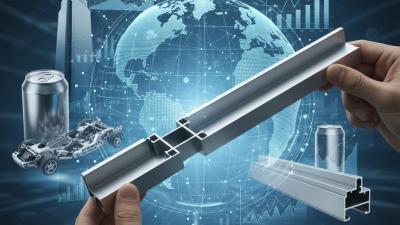
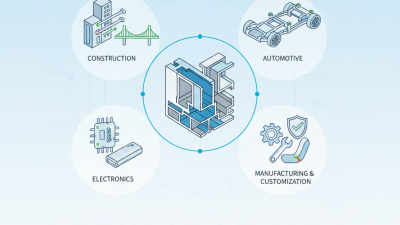
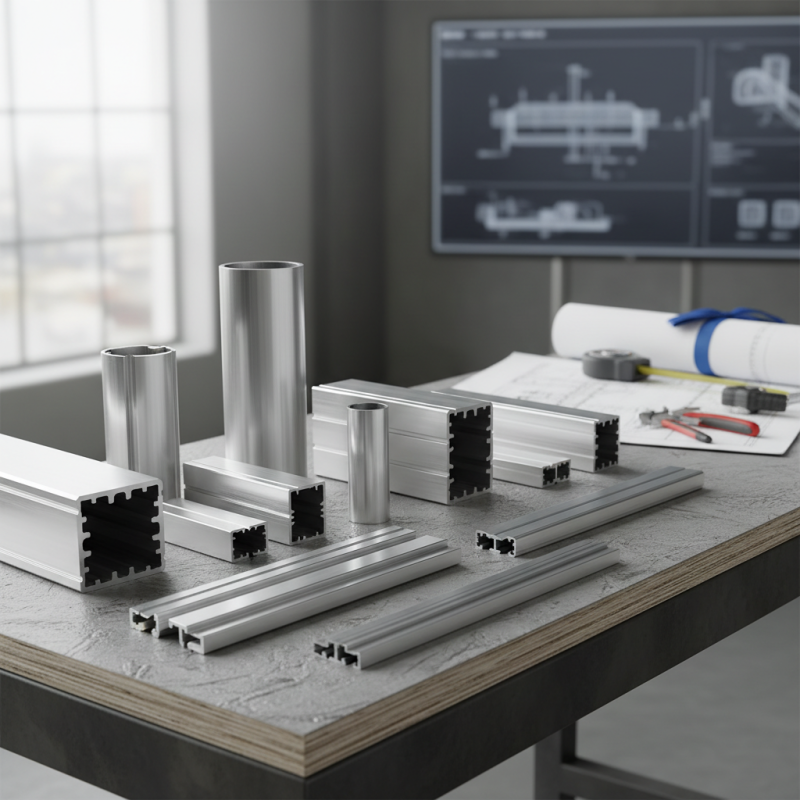
Aluminum profiling is an essential process in various industries. It involves shaping aluminum into specific forms for diverse applications. This process is vital for construction, automotive, and aerospace sectors. Understanding how aluminum profiling works can greatly enhance your project outcomes.
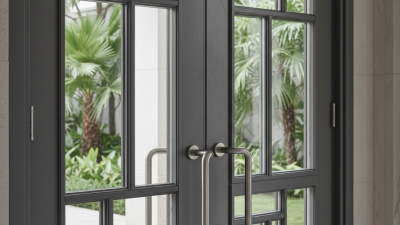
The versatility of aluminum profiling enables its use in multiple settings. It can create lightweight structures, providing strength without excess weight. Common applications include window frames, roofing systems, and furniture. These profiles are crafted to meet precise dimensions, ensuring compatibility with existing systems. Also, the aesthetic appeal of aluminum makes it a popular choice for design-driven projects.
Choosing the right aluminum profile can be challenging. Consider structural requirements and environmental conditions. The specific alloy you select influences durability and weight. Reflecting on these factors is crucial. Testing various profiles may reveal unexpected benefits. Involving experts early in your design process can lead to better decisions. By prioritizing your unique needs, you can find an aluminum profiling solution that fits seamlessly into your project.
Key Factors to Consider When Choosing Aluminum Profiles
When selecting Aluminum Profiles, several key factors come into play. Assessing your specific needs is crucial. Think about the application for which you need the profiling. For example, some projects may require lightweight options. Others might prioritize strength. Understanding these requirements is the first step.
Material characteristics also matter. Aluminum alloys vary in durability and corrosion resistance. You must decide which properties are non-negotiable for your project. A detailed inspection of potential finishes is important. This elevates the profile’s resilience in different environments. However, the aesthetics should not be overlooked. Occasionally, the most visually pleasing option may not hold up over time.
Furthermore, consider the manufacturing process. OEM Aluminum Profiling can offer customization. Custom options often lead to better performance. Always think about the long-term implications of your choice. Cost-effectiveness is another critical aspect, but price shouldn't dictate the entire decision. Keeping a balance between features and budget is key. Regular evaluations can ensure that your choice remains relevant as needs evolve.
Types of Aluminum Profiles and Their Specific Uses
Choosing the right aluminum profile depends on its specific use. There are many types available. Each has unique properties and applications. Understanding these can improve your project outcomes.
Structural profiles are ideal for construction. They offer strength and stability. These profiles support frameworks and can withstand heavy loads. In contrast, decorative aluminum profiles enhance aesthetic appeal. They come in various shapes and finishes. Such profiles are commonly used in furniture and interior design.
For more technical applications, heat sink profiles are crucial. They dissipate heat effectively, making them essential in electronics. Another option is the specialty profile, tailored for specific machinery or equipment. Each type serves a distinct purpose. Consider your requirements carefully. Not all profiles will suit every project. Reflect on the final application before making a decision.
Types of Aluminum Profiles and Their Specific Uses
Evaluating Strength and Durability of Aluminum Profiles
When evaluating the strength and durability of aluminum profiles, a few key factors come into play. Material composition is critical. The alloy type impacts both strength and weight. For example, 6061 aluminum offers good mechanical properties and corrosion resistance. However, it may not always be the best choice for high-stress applications. Understanding these subtleties is essential when selecting China Aluminum Profiling.
Load-bearing capacity is another consideration. Testing aluminum profiles under representative loads shows how they behave in real-world conditions. Profiles can bend or deform if they are not designed properly. This could lead to issues down the line. It's important to consult technical specifications and performance data to ensure the aluminum profiling meets project needs.
Surface treatments like anodizing can enhance durability. While they protect against corrosion, they may add costs. Not all treatments are equal, and it’s vital to choose one that fits your application. Balancing these factors requires a blend of knowledge and practical experience. Engaging with material experts can offer insights that documents alone may not provide. Relying solely on published data can be misleading.
Assessing Cost-Effectiveness and Budget for Your Project
When it comes to selecting aluminum profiling, cost-effectiveness is key. Often, people overlook total project costs and focus only on initial price tags. Understanding your budget ensures you choose the best materials for your needs. It’s important to consider not only upfront costs but also the long-term savings on maintenance and durability.
Requesting multiple Aluminum Profiling Quotes can help you compare prices, but remember to analyze what each quote includes. Are the specifications clear? Are shipping and installation costs factored in? Sometimes, a lower price might hide additional expenses later. It's essential to dive deeper and gather all relevant information.
Crafting the perfect profile may take time. Feel free to seek advice from experts in the field. Their experience could shed light on overlooked factors, such as local regulations or the impact of material choices on project longevity. Reflecting on these details can lead to a more informed decision and a project that aligns with both your needs and budget.
Customizing Aluminum Profiles for Unique Requirements
Customizing aluminum profiles allows you to meet unique needs in various industries. Every project has specific requirements, and understanding these helps in creating suitable profiles. Whether it's for construction, automotive, or furniture, flexibility is key. Engaging with experienced professionals can provide insights into different shapes, sizes, and finishes that are available.
Designing custom aluminum profiles involves selecting dimensions and features that fit your application. Think about functionality and aesthetics. Do you need added strength, or are lightweight options better? Decisions on surface treatments can enhance durability and appearance.
Despite careful planning, there may be challenges. Miscommunication about specifications can lead to wasted materials. It's essential to document requirements clearly. Collaboration with engineers or fabricators can reduce risks. Regular feedback can also ensure the final product aligns with your vision. Customization is a journey that may require adjustments along the way.
Where to Source Quality Aluminum Profiles for Your Needs
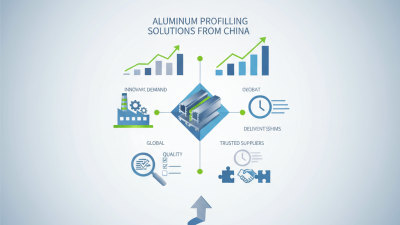
When sourcing quality aluminum profiles, understanding the market is essential. The global aluminum extrusion market is expected to reach $65 billion by 2027, growing at a CAGR of 5.6%. This data suggests a robust demand for aluminum across various sectors, including construction and automotive. However, sourcing can be tricky due to varying quality standards.
Identify suppliers who adhere to strict manufacturing guidelines. Look for certifications like ISO 9001 or ISO 14001. These certifications indicate a commitment to quality and environmental management. Pay attention to local suppliers as well. They might offer faster lead times and reduced shipping costs. Local sourcing also supports community industries, improving economic sustainability.
Evaluate the suppliers' experience with Custom Aluminum Profiling. A supplier with expertise can guide you through material selection and design considerations. It's crucial to weigh factors like cost versus quality when making a decision. Sometimes, lower costs come at the expense of durability. Comparing samples before committing to larger orders can mitigate risks. Understanding the sourcing landscape is vital for making informed decisions in aluminum profiling.
Analyzing Market Trends: The Growing Demand for High-Quality Aluminum Profiles in South Africa's Construction Sector
The construction sector in South Africa has witnessed a significant shift in material preferences, with a notable increase in the demand for high-quality aluminum profiles. Recent industry reports indicate that the use of aluminum in construction is projected to grow steadily, fueled by its favorable properties such as lightweight design, corrosion resistance, and sustainability. The demand is particularly prominent for a variety of applications including shopfronts, doors, and windows, which are essential for both residential and commercial projects.
The market dynamics suggest that builders and contractors are increasingly prioritizing quality and versatility when selecting materials. High-quality aluminum profiles not only enhance the aesthetic appeal of structures but also offer long-term durability, making them a wise investment for ongoing and future projects. Furthermore, research highlights that products tailored to specific industry standards and regional building requirements can significantly improve construction efficiency and safety.
As the market evolves, manufacturers are focusing on expanding their product ranges to meet the diverse needs of the construction industry. This includes providing various thickness options and configurations that cater to the unique demands of South African builders. The response to this growing demand involves not just meeting current preferences but also anticipating future trends in the construction landscape. High-quality aluminum profiles represent a key element in building sustainable and efficient structures, strongly aligning with the current market trends in South Africa.
FAQS
: Aluminum profiling shapes aluminum for various applications, crucial in sectors like construction and automotive.
It enhances project outcomes by providing customized shapes and lightweight structures without sacrificing strength.
Structural requirements, environmental conditions, and the specific alloy influence durability and weight choices.
Surface treatments, like anodizing, improve durability but may increase costs and differ in effectiveness.
Yes, customization allows for unique specifications, ensuring profiles meet distinct project needs.
Test profiles under realistic conditions to assess their load-bearing capacity and get reliable performance data.
Miscommunication can lead to material waste, making clear documentation and collaboration essential for success.
Lightweight structures create flexibility in design while maintaining strength, useful in multiple sectors like furniture and construction.
Early involvement of professionals offers insights that lead to better decisions, enhancing design effectiveness.
Conclusion
Aluminum profiling is an essential aspect of various industries, offering versatility and durability for numerous applications. When selecting the best aluminum profiles for your needs, it is crucial to understand their different types and specific uses. Key factors to consider include strength and durability, as well as cost-effectiveness to ensure that the chosen profiles fit within your project budget. Customization options are also available for unique requirements, allowing for tailored solutions that meet specific design and functionality goals.
To make informed decisions, assessing the sourcing of quality aluminum profiles is vital. This involves evaluating suppliers and their offerings to ensure that the selected profiles not only meet your technical needs but also adhere to industry standards. By taking these considerations into account, you can effectively choose the best aluminum profiling to enhance your project's success.