










News










01
Aluminum: How Is It Made
2024-08-05
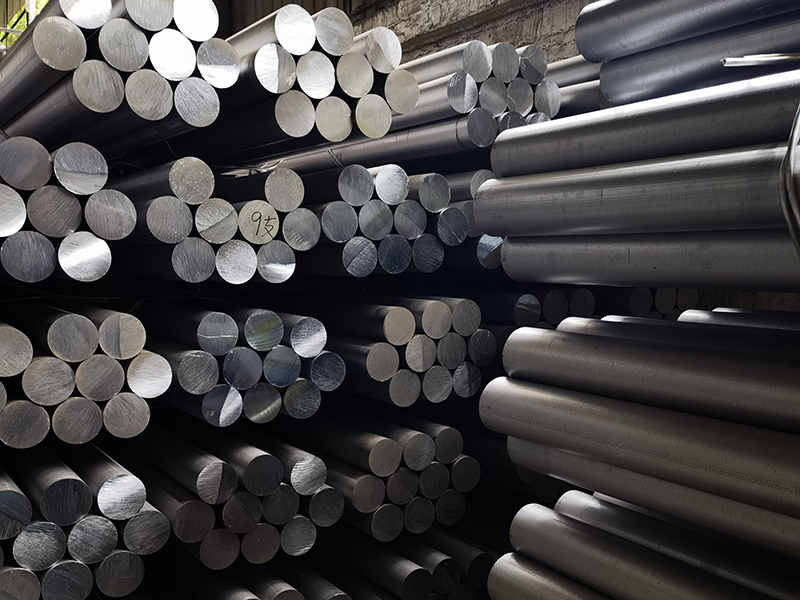
Aluminum is one of the most widely used metals in the world today, known for its lightweight, corrosion resistance, and excellent conductivity. But have you ever wondered how this versatile material is produced?
The process of making aluminum begins with the extraction of bauxite ore, which is the primary source of aluminum. Bauxite typically contains aluminum oxide (alumina) along with various impurities.
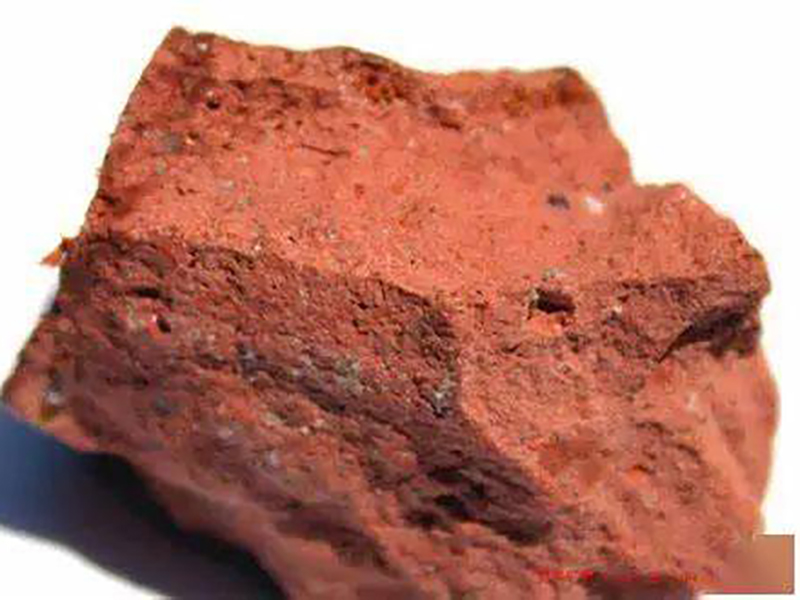
The first step is to refine the bauxite to obtain pure alumina. This is achieved through a complex chemical process known as the Bayer process. In this process, the bauxite is treated with sodium hydroxide under high pressure and temperature to dissolve the alumina, leaving behind the impurities.
Once pure alumina is obtained, the next stage is the electrolysis process. This is carried out in a large electrolytic cell called a Hall-Héroult cell. Molten alumina is dissolved in a bath of molten cryolite, and a direct electric current is passed through the mixture. At the cathode, aluminum ions gain electrons and are deposited as pure Aluminum Metal, while oxygen is released at the anode.
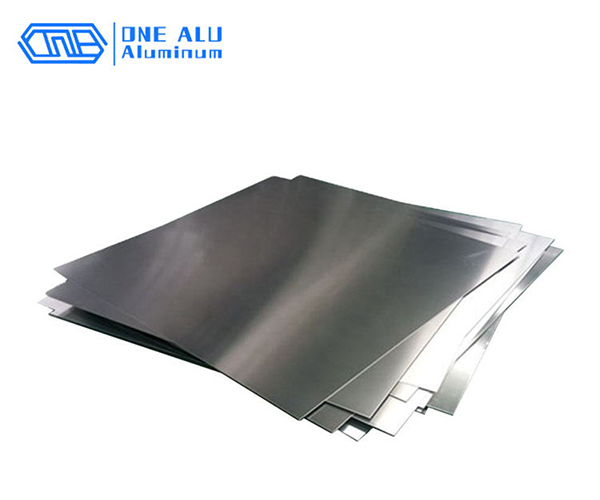
The resulting molten aluminum is then carefully drawn off and cast into various shapes and forms, such as ingots, billets, or slabs, depending on the intended end use.
The production of aluminum requires significant amounts of energy, and efforts are constantly being made to improve the efficiency of the process and reduce its environmental impact. Advanced technologies and sustainable practices are being developed to ensure the continued supply of this valuable metal while minimizing its ecological footprint.
In conclusion, the production of aluminum is a remarkable feat of modern industry, involving a series of intricate and highly controlled processes to transform raw materials into a metal that plays a crucial role in countless applications across various sectors.