



News

01
What is the surface treatment of aluminum profiles
2024-08-01
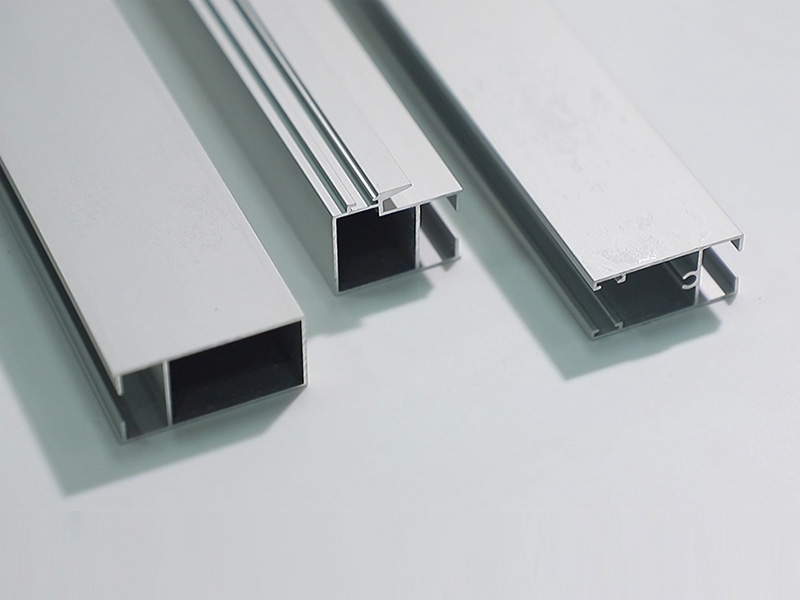
The production of aluminum alloy door and Window Profiles can be divided into four processes: ingot preparation, extrusion molding, heat treatment, and surface treatment. With the continuous improvement of people's living standards, the requirements for the appearance and color of doors and windows are higher and higher. And with the gradual refinement of aluminum processing technology, some complex surface treatments have been vigorously developed. We often see the aluminum surface treatment processes such as electrophoresis, anodic oxidation, and fluorocarbon paint spraying, etc.
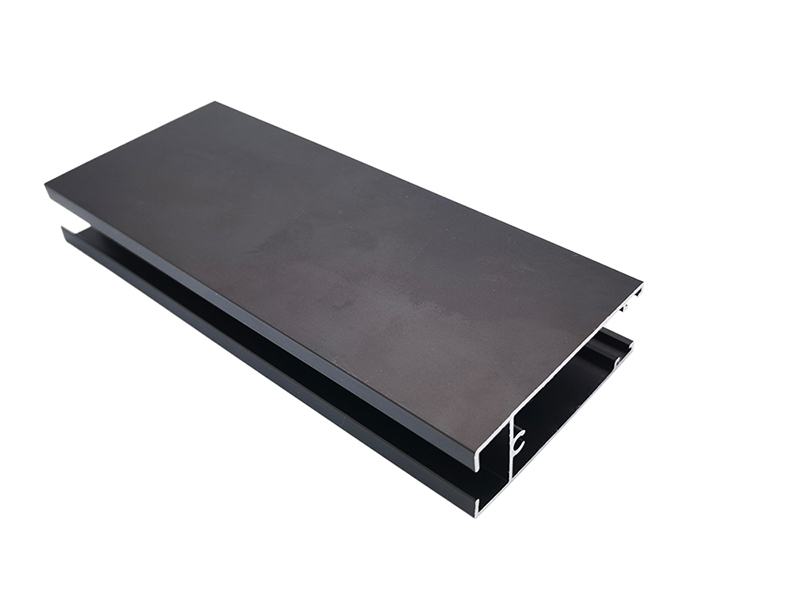
1.Electrophoresis
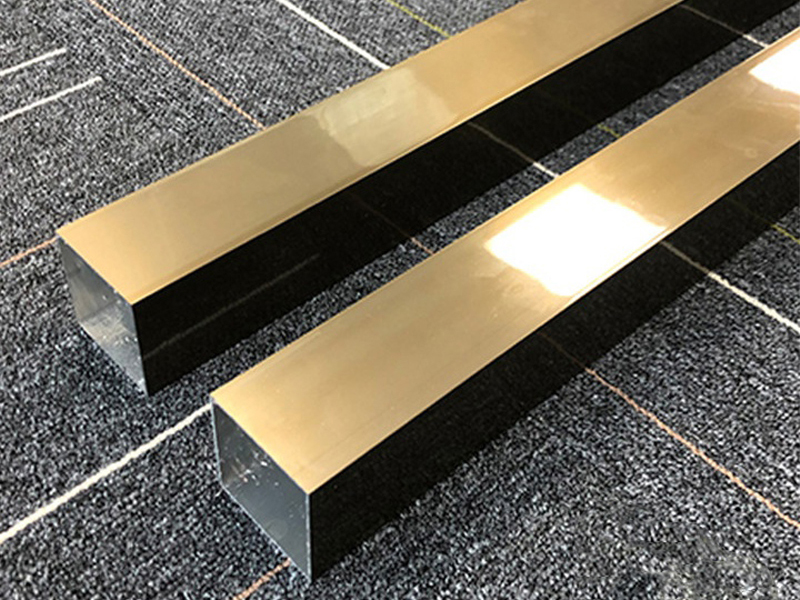
Electrophoresis is the process in which electrophoretic paint is deposited on the surface of the workpiece at the cathode and anode. Under the action of voltage, the charged paint ions move to the cathode and form an insoluble substance with the alkaline action generated on the surface of the cathode. Aluminum profile electrophoresis refers to the process of placing an Extruded Aluminum alloy in an electrophoresis tank and forming a dense resin film on the exterior after direct current is applied. Electrophoretic aluminum profiles are very bright and have a mirror effect, which also improves corrosion resistance.
Process Flow: Electrolysis (Decomposition) ➤ Electrophoresis (Swimming, Migration) ➤ Electrodeposition (Precipitation) ➤ Electroosmosis (Dehydration)
2.Anodic oxidation
Anodic oxidation of aluminum profiles refers to the process of forming a layer of oxide film on aluminum products (anode) due to the action of applied electric current under the corresponding electrolyte and specific technological conditions for aluminum and its alloys. However, the oxide film formed on the exterior of anodized aluminum is different from the general oxide film, and anodized aluminum can be dyed through electrolytic coloring. In order to overcome the defects in hardness and wear resistance of the aluminum alloy appearance, expand the application range and prolong the service life, the surface treatment technology has become an indispensable link in the use of aluminum alloy, and the anodic oxidation technology is the most widely used and successful one at present.
Process flow
Degreasing ➤ Chemical polishing ➤ Acid corrosion ➤ Stripping black film ➤ Anodizing ➤ Dyeing pre-treatment ➤ Dyeing ➤ Hole sealing ➤ Drying
Difference between anodizing and electrophoresis: Anodizing is oxidizing first and then coloring, while electrophoresis is coloring directly.
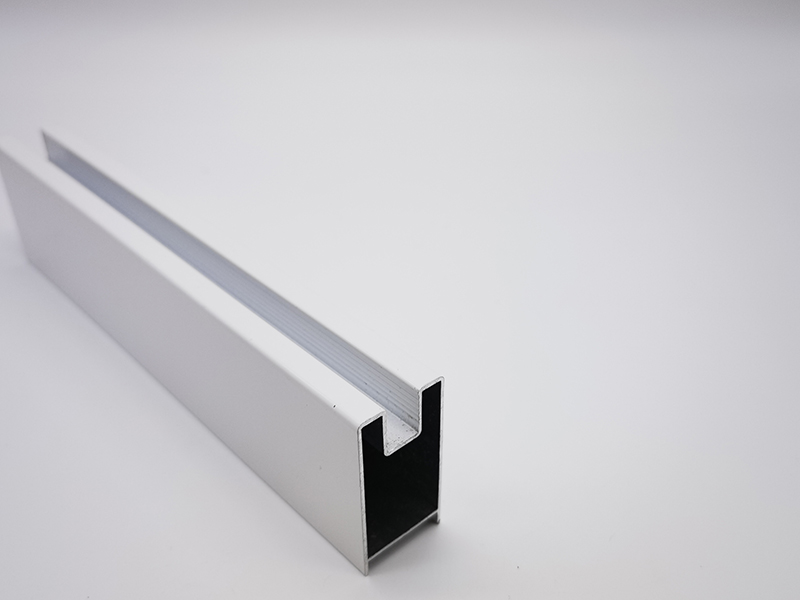
3.Electrostatic Powder Coating
With electrostatic powder spraying equipment, powder coating is applied to the appearance of the workpiece. Under the action of static electricity, the powder will be uniformly adsorbed on the appearance of the workpiece to form a powder coating. After high-temperature baking, leveling and curing of the powder coating, a final coating with different effects is achieved. The spraying effect in terms of mechanical strength, adhesion, corrosion resistance, aging resistance, etc., is far superior to the spraying process.
Process Flow
Pretreatment ➤ Spraying ➤ Baking and curing
4.Fluorocarbon Spraying
Fluorocarbon spraying is a kind of electrostatic spraying, also a liquid spraying. The use of fluorocarbon spray coating is baked with polyvinylidene fluoride resin as the base material or with metallic aluminum powder as the color material made of paint. There are suspended and semi-suspended. Suspended means that during the pretreatment and spraying and curing process of aluminum, the aluminum will be suspended. Fluorocarbon coating with excellent quality has metallic luster, sharp color and obvious three-dimensional sense.
Process flow
Pre-treatment flow: Degreasing and decontamination of aluminum ➤ Water washing ➤ Alkali washing (degreasing) ➤ Water washing ➤ Acid washing ➤ Water washing ➤ Chroming ➤ Water washing ➤ Pure water washing
Spraying flow: Spraying of primer ➤ Topcoat ➤ Glaze paint ➤ Baking (180 - 250℃) ➤ Quality control
Difference between electrostatic powder spraying and fluorocarbon spraying: Powder spraying is to use powder spraying equipment (electrostatic spraying machine) to spray powder coating to the appearance of the workpiece. Under the action of static electricity, the powder will be uniformly adsorbed on the appearance of the workpiece, forming a powder coating. Fluorocarbon spraying is a kind of electrostatic spraying and is also a liquid spraying method, called fluorocarbon spraying.
5.Wood Grain Transfer
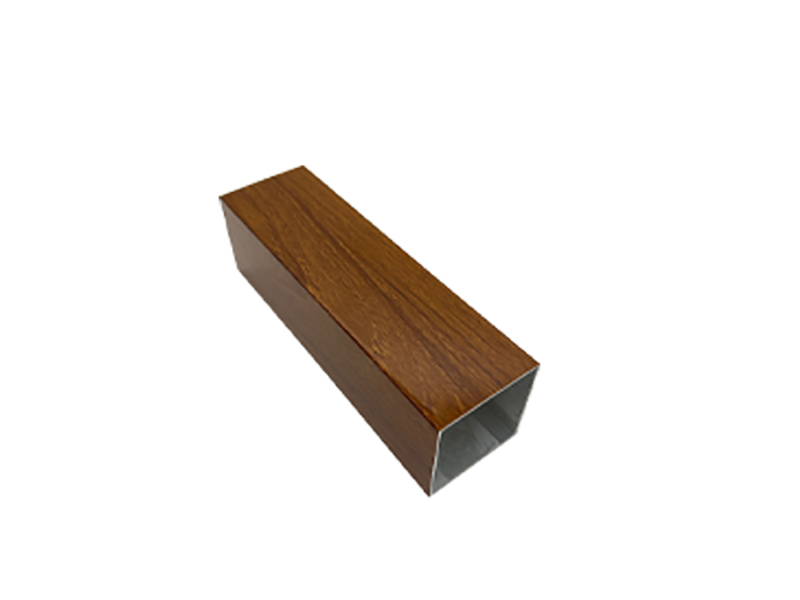
Wood grain transfer profiles refer to the profiles where, based on the principle of high-temperature sublimation heat penetration in powder coating or electrophoresis painting, through heating, pressurization, the wood grain pattern on the transfer paper or transfer film is rapidly transferred and penetrates into the sprayed or electrophoresed profiles. The wood grain profiles produced have clear texture and a strong three-dimensional sense, which better reflects the natural feeling of wood grain and is an ideal energy-saving and environmentally friendly material to replace traditional wood.
Process Flow
Select the substrate ➤ Wrap the wood grain printing paper ➤ Cover the plastic bag ➤ Vacuum ➤ Bake ➤ Tear off the printing paper ➤ Do the exterior cleaning